- Malaysia is prioritizing a balanced approach to defense spending, resisting immediate increases despite external pressures from the US.
- The country is focusing on developing asymmetrical warfare capabilities, emphasizing low-cost, mass-produced weapons while exploring diverse international partnerships.
- Recent geopolitical developments, including the closure of the Strait of Hormuz, have prompted Malaysia to reaffirm its commitment to maintaining free navigation in the Strait of Malacca.
The current geopolitical landscape necessitates a careful reevaluation of defense strategies, particularly for nations like Malaysia that are navigating complex regional dynamics. The defense minister's statements underscore a strategic pivot away from immediate military spending increases, reflecting a broader understanding of the need to balance military modernization with pressing domestic priorities. This approach is particularly relevant as the US calls for increased military expenditure among its allies, aiming for a 3.5% of GDP target to counteract China's military expansion. Malaysia's response indicates a measured stance, prioritizing its economic realities over external pressures.
In his remarks, Khaled Nordin articulated a clear rationale for Malaysia's defense spending strategy, emphasizing the necessity of allocating resources across various sectors. This perspective highlights the challenges faced by developing nations in addressing both defense needs and socio-economic development. The minister's comments came shortly after US Defense Secretary Pete Hegseth's call for increased military budgets among Asian allies, illustrating the tension between global security expectations and national fiscal constraints. Malaysia's decision to resist immediate budget increases signals a commitment to a more sustainable and balanced approach to defense.
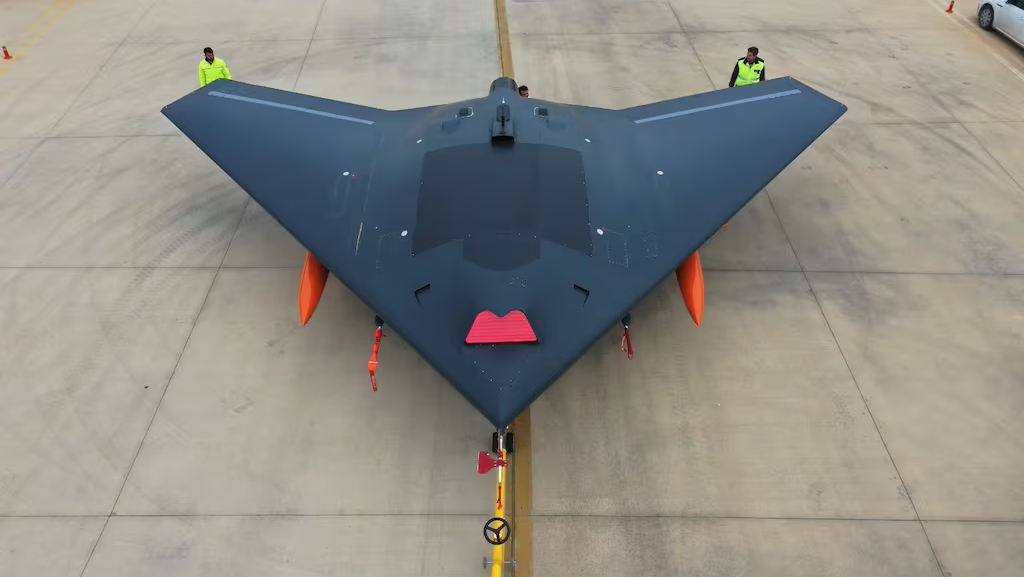
Malaysia's focus on asymmetrical warfare capabilities further illustrates its strategic direction. By investing in low-cost, mass-produced weapons such as drones and rockets, the country aims to enhance its military effectiveness without incurring the high costs associated with traditional military assets. This strategy is complemented by a willingness to engage with various international partners, including Turkey, South Korea, and Australia, while remaining open to procurement options from China and Russia. Such diversification in defense partnerships reflects a pragmatic approach to enhancing military capabilities in a cost-effective manner.
Additionally, the recent geopolitical tensions surrounding energy supply routes have prompted Malaysia to reaffirm its commitment to maintaining the Strait of Malacca as a vital corridor for free navigation. Khaled's assurance that the strait will remain neutral and open for trade with regional partners like Indonesia, Singapore, and Thailand is crucial for regional stability. This commitment not only addresses immediate concerns about potential disruptions similar to those seen in the Strait of Hormuz but also reinforces Malaysia's role as a stabilizing force in Southeast Asia.