- LICO Materials and Ather Energy are collaborating to create a sustainable recycling system for end-of-life lithium-ion batteries.
- This initiative is crucial for enhancing the circular economy within India's electric vehicle sector.
- The partnership aims to ensure that recovered materials are reintegrated into the EV battery supply chain, addressing both environmental and resource scarcity challenges.
The urgency of establishing a robust recycling framework for end-of-life lithium-ion batteries cannot be overstated, especially as the electric vehicle (EV) market continues to expand rapidly. The collaboration between LICO Materials and Ather Energy represents a significant step toward creating a sustainable ecosystem for battery management in India. As the country pushes for greater adoption of EVs, the need for effective recycling solutions becomes paramount, not only to mitigate environmental impacts but also to secure valuable materials for future battery production.
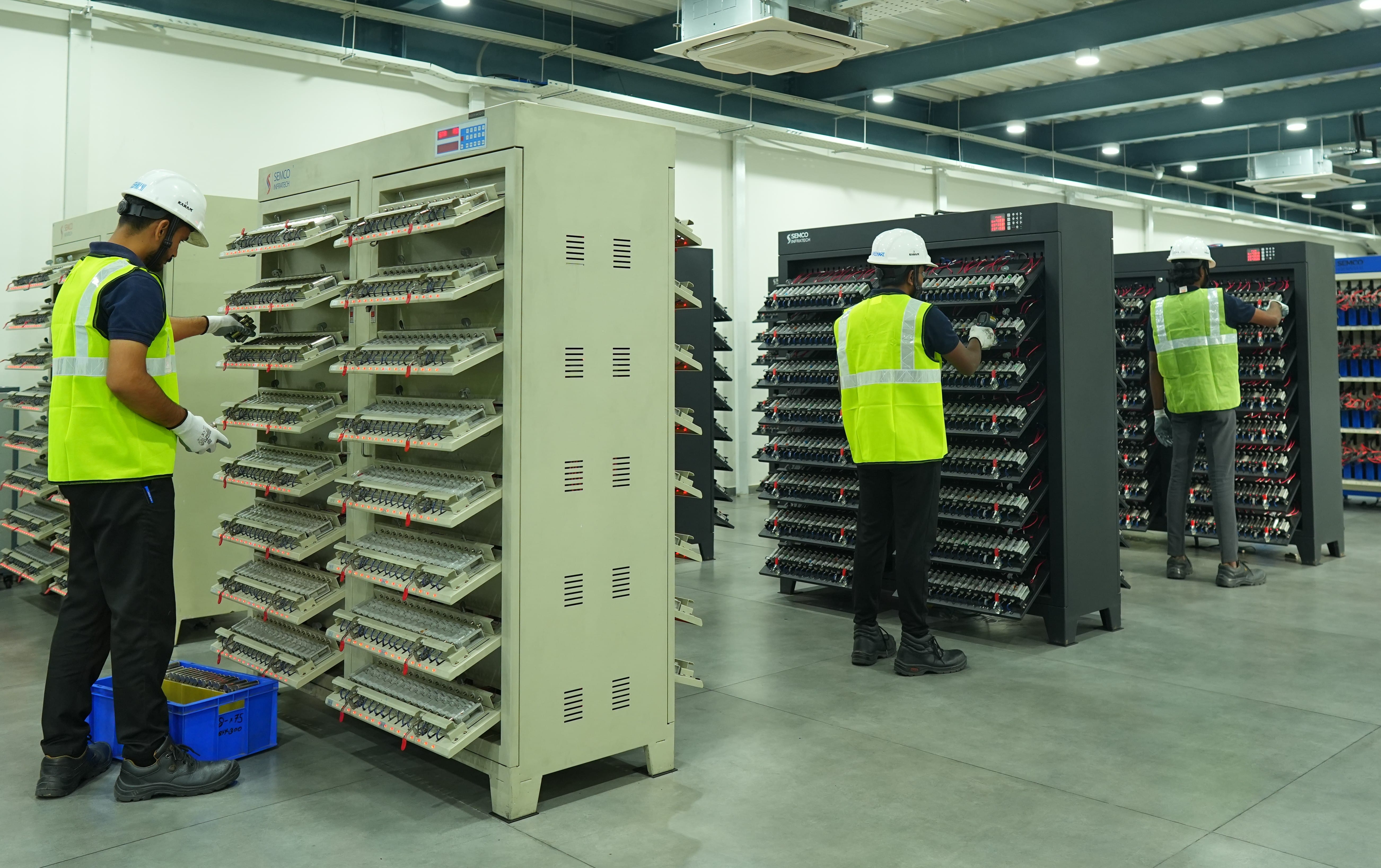
This partnership is designed to develop a comprehensive collection and recycling system specifically for lithium-ion batteries that have reached the end of their lifecycle. By focusing on the recovery of materials, LICO and Ather aim to close the loop in the battery supply chain, ensuring that critical components such as lithium, cobalt, and nickel can be reused. This initiative is particularly relevant in the context of India's growing EV market, where the demand for these materials is expected to surge, making recycling an essential component of sustainable growth.
The implications of this collaboration extend beyond just environmental benefits; it also addresses the economic aspects of resource management. By reintegrating recovered materials back into the supply chain, the partnership not only reduces dependency on virgin resources but also helps stabilize prices and supply for manufacturers. This is a critical consideration as the global demand for EV batteries escalates, and securing a reliable source of materials becomes increasingly competitive.
Moreover, this initiative aligns with broader governmental and industry efforts to promote sustainability and circular economy principles within the automotive sector. As policies increasingly favor environmentally responsible practices, LICO and Ather's proactive approach positions them as leaders in the transition toward a more sustainable future for electric mobility in India. The success of this partnership could serve as a model for similar initiatives, potentially influencing how other companies approach battery recycling and resource recovery in the EV landscape.