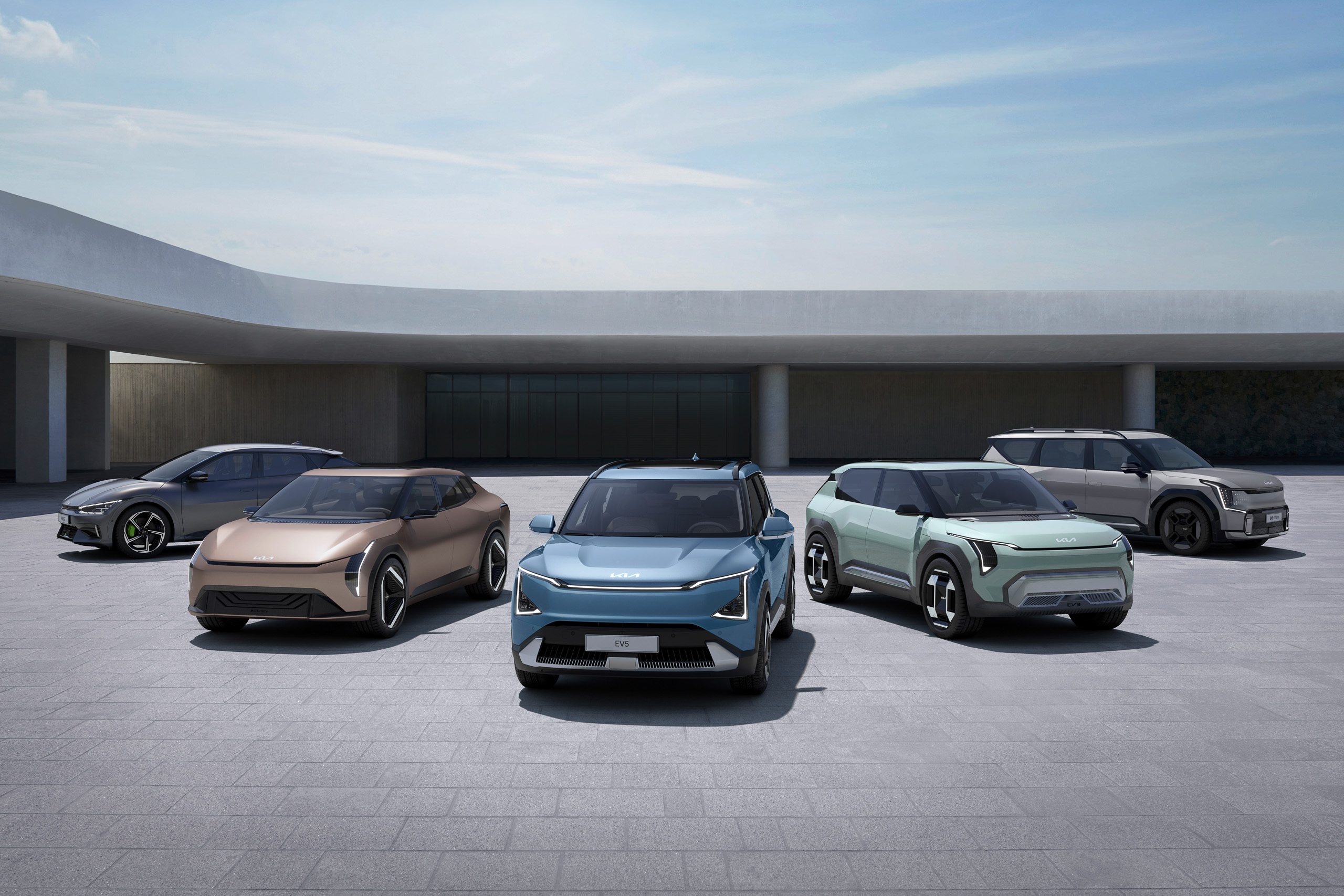
- Kia plans to expand its electric vehicle lineup to 14 models by 2027, signaling a robust commitment to electrification.
- The automaker aims to achieve one million EV sales by 2030, reflecting a strategic pivot in response to market demands.
- This initiative underscores Kia's focus on enhancing product competitiveness and strengthening its supply chain in the EV sector.
The urgency of Kia's announcement regarding its ambitious EV strategy cannot be overstated; as the automotive industry rapidly shifts towards electrification, the company is positioning itself to capture a significant share of the growing market. With plans to introduce 14 electric vehicle models by 2027, Kia is not merely following trends but actively shaping its future in a landscape increasingly defined by sustainability and innovation. This move is critical as consumer preferences evolve and regulatory pressures mount, necessitating a proactive approach to electric mobility.
The decision to expand its EV lineup is driven by a clear understanding of the competitive landscape. Kia recognizes that to thrive in the electric vehicle market, it must enhance both product competitiveness and accessibility. By diversifying its offerings, the automaker aims to cater to a broader audience, ensuring that its vehicles meet varying consumer needs and preferences. This strategy is essential not only for attracting new customers but also for retaining existing ones who may be considering alternatives from other manufacturers.
Moreover, Kia's target of achieving one million EV sales by 2030 is a bold declaration of its ambitions. This goal reflects a deep commitment to electrification that goes beyond mere compliance with regulations; it indicates a strategic vision for growth in a sector poised for exponential expansion. Achieving this sales target will require not only a robust product lineup but also a well-structured supply chain that can support increased production and distribution of electric vehicles.
In addition to expanding its model range, Kia's focus on strengthening its EV supply chain is a crucial component of its strategy. A resilient supply chain will enable the company to mitigate risks associated with sourcing materials and components, which have become increasingly volatile in recent years. By securing its supply chain, Kia can ensure the timely delivery of its electric vehicles to market, thereby enhancing its competitive edge and fulfilling its ambitious sales targets.