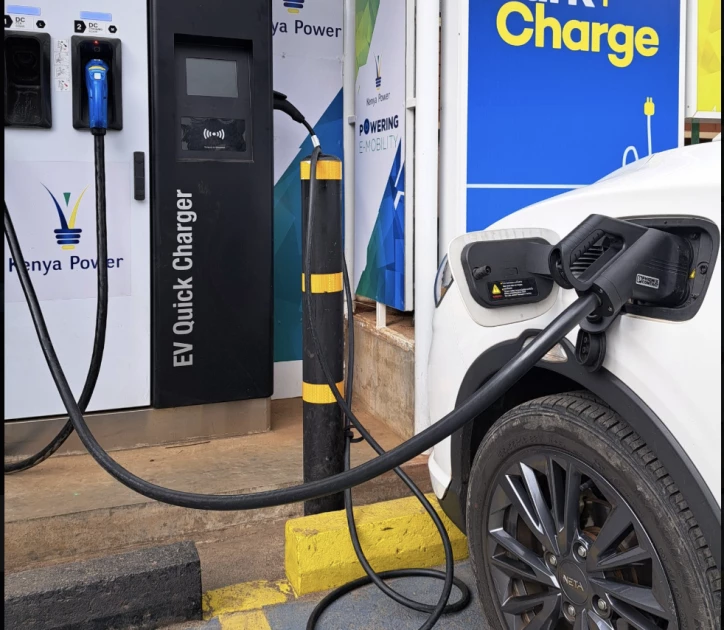
- Kenya Power has generated Ksh. 382 million from electric vehicle (EV) charging, reflecting a significant growth in the electric mobility sector.
- The number of electric vehicles in Kenya has surged to over 35,000, indicating a robust shift towards sustainable transportation.
- This trend not only highlights the increasing adoption of EVs but also signals potential revenue opportunities for energy providers and infrastructure developers.
The rapid expansion of the electric mobility sector in Kenya is a pivotal development that underscores the country's commitment to sustainable transportation solutions. With over 35,000 electric vehicles now on the roads, the growth trajectory of this market is not just a passing trend; it represents a fundamental shift in how transportation is perceived and utilized in the region. This surge in electric vehicle adoption is critical, as it aligns with global efforts to reduce carbon emissions and promote cleaner energy sources, making it imperative for stakeholders to adapt to this evolving landscape.
Kenya Power's earnings of Ksh. 382 million from EV charging services illustrate the financial viability of investing in electric mobility infrastructure. This revenue stream is a clear indicator of the increasing demand for electric vehicle charging stations, which are essential for supporting the growing number of EVs. As more consumers transition to electric vehicles, the need for accessible and reliable charging solutions becomes paramount, presenting a lucrative opportunity for energy companies to capitalize on this trend.
The rise in electric vehicles also reflects broader societal changes, including heightened environmental awareness and government initiatives aimed at promoting clean energy. The Kenyan government has been actively encouraging the adoption of electric vehicles through various policies and incentives, which has likely contributed to the significant increase in EV numbers. This supportive regulatory environment not only fosters consumer confidence but also attracts investment in related infrastructure, further accelerating the growth of the electric mobility sector.
As the electric mobility market continues to expand, it is essential for energy providers like Kenya Power to strategically position themselves to meet the evolving needs of consumers. The revenue generated from EV charging is just the beginning; it signals a shift towards a more integrated energy ecosystem where electric mobility plays a crucial role. This trend could lead to further innovations in energy management and distribution, ultimately enhancing the overall efficiency and sustainability of the transportation sector in Kenya.