- Johnson & Johnson's OTTAVA robotic surgical system has successfully completed its first clinical study, demonstrating safety and performance in gastric bypass procedures.
- The study involved 30 patients and achieved significant weight loss, with all procedures performed robotically without conversion to traditional methods.
- J&J is seeking FDA De Novo classification for OTTAVA, targeting a range of upper abdominal surgical procedures, which could expand robotic surgery's accessibility in hospitals.
The completion of Johnson & Johnson's clinical study for the OTTAVA robotic surgical system marks a pivotal moment in the evolution of robotic-assisted surgery, particularly in the realm of bariatric procedures. As obesity rates continue to rise, with over 40% of U.S. adults classified as obese, the demand for effective surgical interventions is more pressing than ever. The promising results from the study not only highlight the system's potential but also underscore the importance of innovation in surgical technology to improve patient outcomes and expand treatment options.
The multicenter clinical study, which evaluated the OTTAVA system specifically for Roux-en-Y gastric bypass procedures, involved a cohort of 30 patients. Impressively, the study met its primary safety and performance endpoints within 30 days post-surgery, with participants experiencing an average weight loss of 30 pounds. This outcome is particularly significant given the technical complexities associated with gastric bypass surgery, which requires both restrictive and reconstructive techniques across multiple abdominal quadrants. The ability to perform all procedures robotically without conversion to a non-robotic approach speaks volumes about the system's reliability and effectiveness.
Dr. Erik Wilson, the lead investigator, emphasized the importance of continued innovation in bariatric surgery, noting that the initial clinical results provide encouraging evidence for the OTTAVA system's safety and performance. This sentiment is echoed by J&J's strategic intent to leverage the clinical data, alongside preclinical testing, to support their application for De Novo classification with the FDA. This classification aims to encompass a variety of upper abdominal procedures, including gastric sleeve and hiatal hernia repair, which could significantly broaden the scope of robotic surgery in general surgical practice.
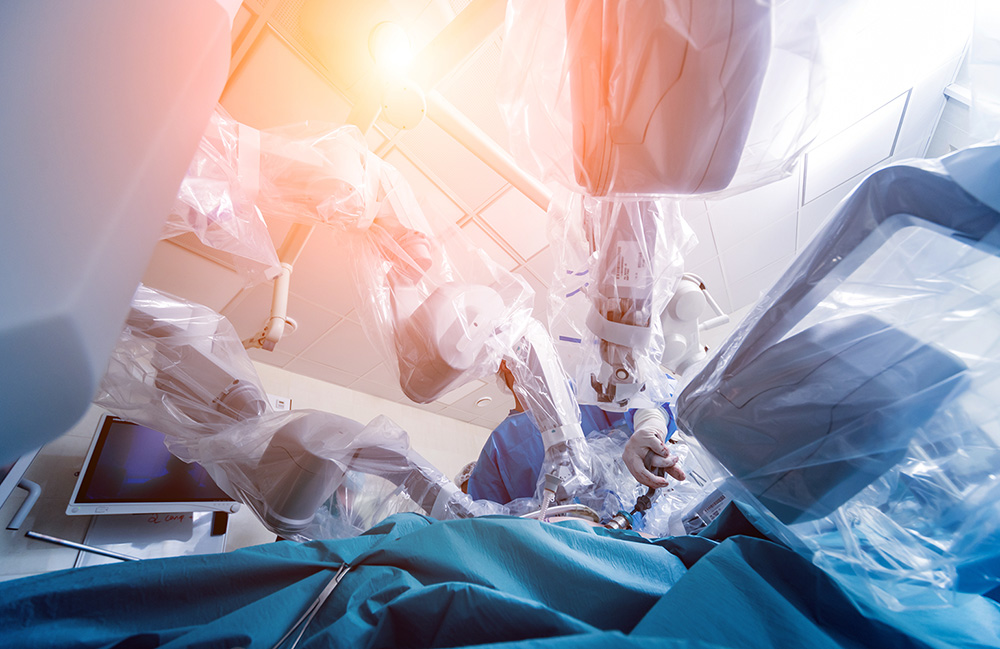
The design of the OTTAVA system itself is noteworthy; its novel architecture integrates four robotic arms into a standard surgical table, allowing for greater flexibility in operating room setups. This design enables the system to be utilized in operating rooms that previously lacked the space for robotic surgery, thereby removing practical barriers to adoption. As Peter Schulam, J&J's chief scientific officer for MedTech, pointed out, the system's architecture supports a differentiated approach that can accommodate more hospitals, ultimately enhancing the accessibility of robotic surgical options for patients.
As J&J prepares to present these findings at the upcoming ASMBS Annual Meeting, the implications for the future of robotic surgery are profound. The successful integration of OTTAVA into existing surgical infrastructures could lead to a paradigm shift in how bariatric and other soft-tissue surgeries are performed, making them more efficient and potentially more effective. The ongoing collaboration with surgeons and the rigorous data collection from clinical trials will be crucial as J&J moves forward in its quest for FDA approval and broader market acceptance of the OTTAVA system.