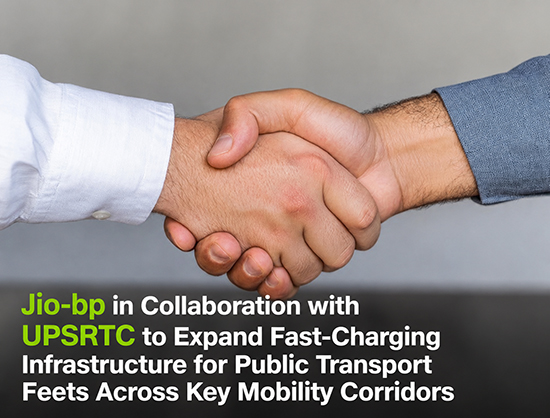
- Jio-bp's collaboration with UPSRTC marks a significant step in enhancing electric mobility in India through the establishment of EV charging infrastructure.
- This partnership is poised to support the growing demand for electric buses, aligning with India's broader sustainability goals.
- The initiative underscores the importance of public-private partnerships in advancing clean transportation solutions in urban areas.
The urgency of transitioning to electric mobility in India is underscored by Jio-bp's recent partnership with the Uttar Pradesh State Road Transport Corporation (UPSRTC) to deploy EV charging infrastructure for its electric bus fleet. This collaboration is not merely a response to the increasing demand for sustainable transportation options; it represents a strategic move to bolster the operational capabilities of electric buses, which are essential for reducing urban pollution and enhancing public transport efficiency. As cities grapple with the dual challenges of congestion and environmental degradation, initiatives like this are critical in paving the way for a cleaner, more efficient public transport system.
The partnership will facilitate the installation of charging stations across key locations, ensuring that the electric buses can operate effectively without the fear of running out of power. This infrastructure is vital for the successful integration of electric vehicles into the public transport ecosystem, as it addresses one of the primary barriers to adoption: range anxiety. By providing reliable charging solutions, Jio-bp and UPSRTC are not only enhancing the operational viability of electric buses but also encouraging more passengers to opt for this greener mode of transport.
This initiative aligns with India's broader sustainability goals, which include a commitment to reducing carbon emissions and promoting renewable energy sources. The deployment of EV charging infrastructure is a crucial component of this strategy, as it supports the government's push towards electrifying public transport. The collaboration between a major energy player like Jio-bp and a state transport authority like UPSRTC exemplifies how public-private partnerships can drive innovation and investment in clean technology, ultimately benefiting both the environment and the economy.
Moreover, this move signals a growing recognition of the role that electric buses can play in urban mobility. As cities expand and populations increase, the demand for efficient, low-emission public transport solutions will only intensify. By investing in the necessary infrastructure now, Jio-bp and UPSRTC are positioning themselves at the forefront of this transition, setting a precedent for other states and transport authorities to follow. The implications of this partnership extend beyond immediate operational benefits; they reflect a commitment to a sustainable future and a proactive approach to addressing the challenges posed by climate change.