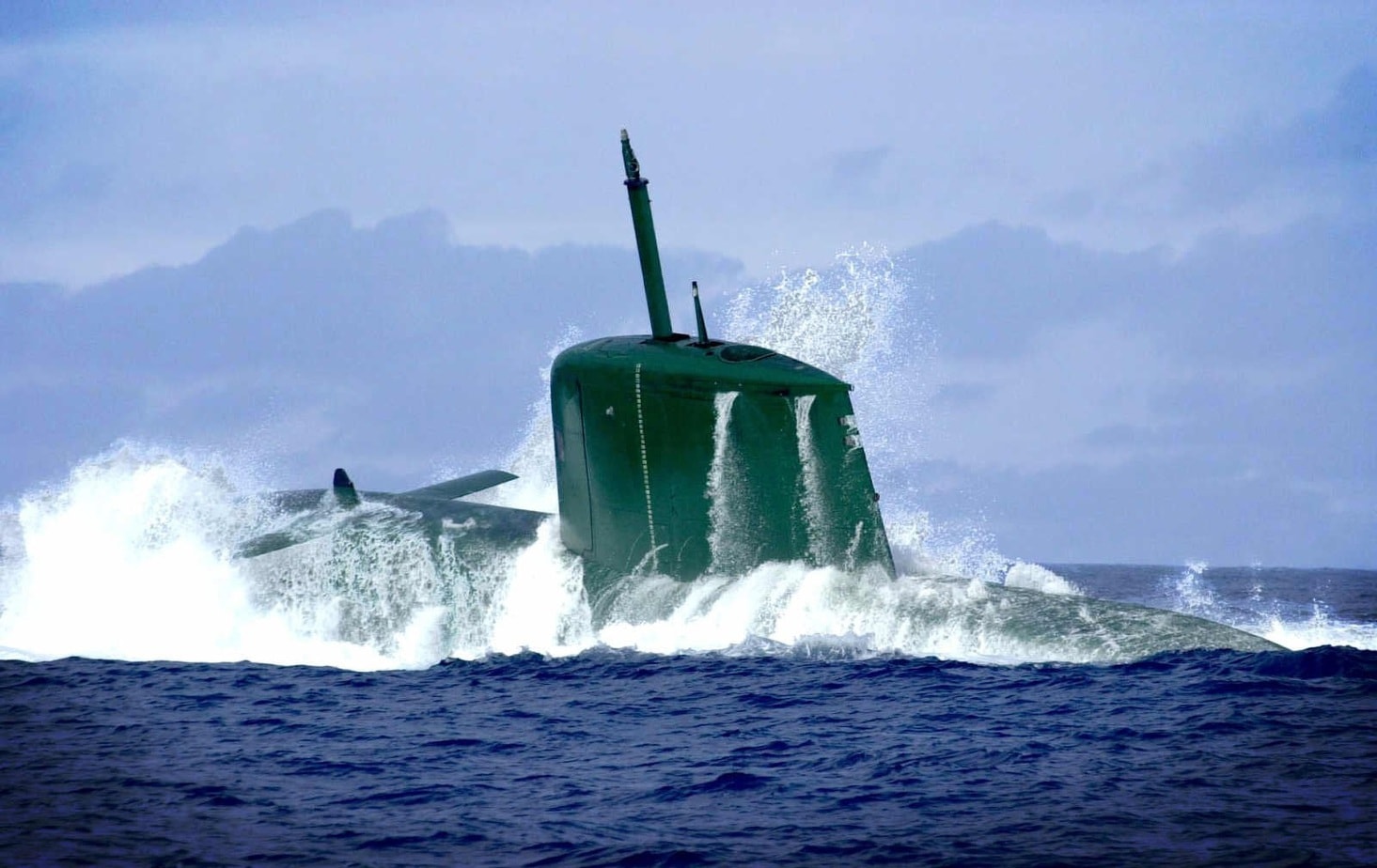
- The INS Drakon represents a significant evolution in Israel's submarine capabilities, particularly with its enlarged sail that suggests advanced weaponry or technology integration.
- While speculation surrounds the potential for vertical launch systems or unmanned vehicles within the sail, official confirmations remain elusive, highlighting the submarine's strategic ambiguity.
- The ongoing collaboration with German submarine builders underscores the geopolitical dimensions of Israel's naval modernization efforts, particularly in response to regional threats.
The unveiling of the INS Drakon marks a pivotal moment in Israel's naval strategy, reflecting a shift towards more advanced and potentially more lethal underwater capabilities. The submarine's enlarged sail, a departure from its predecessors, raises critical questions about its operational role and the technologies it may harbor. This development is particularly relevant in the context of Israel's ongoing security challenges, as the nation seeks to enhance its deterrent posture amid a complex regional landscape.
The implications of the Drakon's design extend beyond mere speculation; they signal a broader evolution in Israel's approach to undersea warfare. The submarine's construction alongside the Dakar program indicates that it may serve as a testbed for next-generation technologies. This aligns with Israel's historical reliance on advanced naval capabilities to counter threats from regional adversaries. The strategic partnership with Germany, which has provided financial and technological support for Israel's submarine fleet, further underscores the importance of this relationship in enhancing Israel's military readiness.
As the Drakon enters service, it is clear that it embodies a blend of innovation and strategic necessity. The Israeli Navy's assertion that the submarine incorporates unique systems and technologies suggests a commitment to maintaining a technological edge in undersea warfare. While the exact capabilities of the Drakon remain shrouded in secrecy, its introduction into the fleet is likely to have significant implications for regional security dynamics, particularly as Israel continues to navigate a complex geopolitical landscape.