
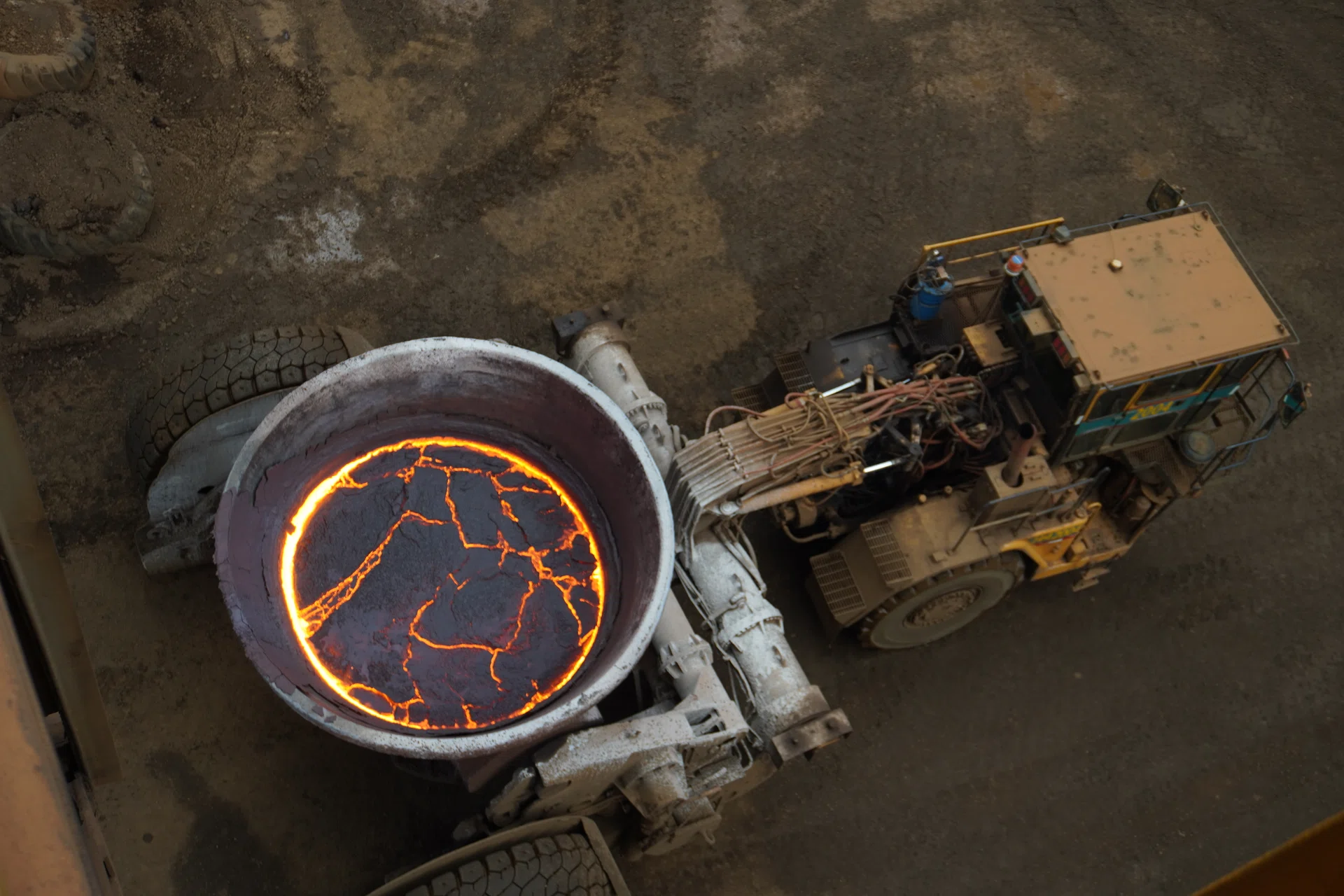
- Indonesia's current nickel production is heavily skewed towards stainless steel, limiting its potential to capitalize on the electric vehicle (EV) market.
- The shift towards nickel-free battery technologies further complicates Indonesia's position in the global EV supply chain.
- Without strategic investments and policy shifts, Indonesia may miss out on significant economic opportunities associated with the EV boom.
The urgency of Indonesia's situation in the global electric vehicle (EV) market cannot be overstated. As the world pivots towards sustainable transportation solutions, the demand for nickel—an essential component in many EV batteries—has surged. However, Indonesia, which holds a substantial share of global nickel reserves, is at risk of missing this critical opportunity due to its current production focus on stainless steel. This misalignment not only jeopardizes Indonesia's potential economic benefits but also raises questions about its strategic positioning in the rapidly evolving clean technology landscape.
Recent research highlights that a staggering majority of Indonesia's nickel output is directed towards stainless steel production, which significantly limits the availability of nickel for battery manufacturing. This trend is concerning, especially as global automakers ramp up their EV production and seek reliable sources of nickel to meet their supply chain needs. The current trajectory suggests that Indonesia may not only fail to meet the growing demand for nickel in batteries but could also see its competitive edge erode as other countries capitalize on this opportunity.
Compounding this issue is the emerging trend of nickel-free battery technologies, which are gaining traction as manufacturers look for alternatives to traditional nickel-based batteries. This shift poses an additional risk to Indonesia's nickel industry, as it could further diminish the demand for nickel in the EV sector. If these technologies become mainstream, Indonesia's reliance on nickel for stainless steel could leave it vulnerable to market fluctuations and technological advancements that favor other materials.
To navigate these challenges, Indonesia must consider strategic investments and policy reforms that prioritize the development of its nickel resources for battery production. This could involve incentivizing domestic battery manufacturing, fostering partnerships with global EV manufacturers, and investing in research and development for alternative battery technologies. Without such proactive measures, Indonesia risks not only missing out on the EV boom but also falling behind in the broader clean technology revolution, which could have lasting implications for its economy and global standing.







