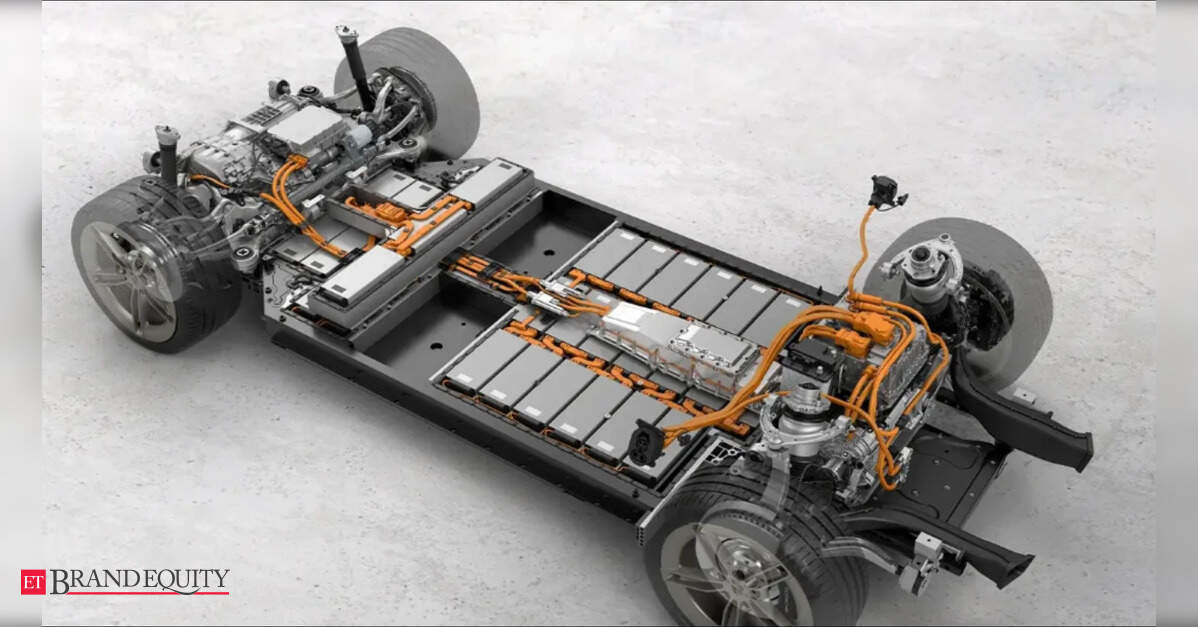
- India's electric vehicle battery demand is projected to surge from 20 GWh in 2025 to 200 GWh by 2032, indicating a significant shift in the country's energy landscape.
- This dramatic increase underscores India's ambition to establish itself as a global leader in electric vehicle manufacturing.
- The findings from the Indian Energy Storage Alliance (IESA) highlight the urgent need for infrastructure and investment to support this burgeoning demand.
The projected tenfold increase in India's electric vehicle (EV) battery demand is a pivotal development that signals a transformative shift in the country's energy and transportation sectors. As India aims to position itself as a global manufacturing hub for electric vehicles, the anticipated rise from 20 GWh in 2025 to 200 GWh by 2032 reflects not only a growing domestic market but also the potential for India to influence global EV supply chains. This urgency is compounded by the global push for sustainable transportation solutions, making it imperative for India to ramp up its capabilities in battery production and technology.
The report from the Indian Energy Storage Alliance (IESA) outlines the critical factors driving this demand surge. With the Indian government actively promoting electric mobility through various initiatives and incentives, the market is poised for rapid expansion. The increasing adoption of electric vehicles, spurred by both consumer demand and regulatory frameworks aimed at reducing emissions, is a key driver of this growth. Furthermore, as the world shifts towards greener technologies, India’s strategic focus on becoming a manufacturing powerhouse in the EV sector is both timely and necessary.
This anticipated growth in battery demand also highlights the pressing need for substantial investments in infrastructure and technology. To meet the projected demand, India will require not only advancements in battery technology but also a robust supply chain capable of supporting large-scale production. This includes sourcing raw materials, developing manufacturing facilities, and ensuring that the necessary research and development efforts are in place to innovate and improve battery efficiency and sustainability. The implications for stakeholders across the energy and automotive sectors are significant, as they must align their strategies to capitalize on this emerging opportunity.
In conclusion, the insights from the IESA report underscore a critical juncture for India as it seeks to enhance its position in the global EV market. The tenfold increase in battery demand is not merely a statistic; it represents a call to action for policymakers, manufacturers, and investors alike. As the country moves forward, the focus will need to be on building a resilient ecosystem that supports this growth, ensuring that India can meet both domestic needs and contribute to global sustainability goals.