- The successful trials of the ULPGM-V3 counter-drone system by India's DRDO highlight a significant technological advancement but overlook critical lessons from modern warfare, particularly the Ukraine conflict.
- The reliance on a ground control system for the ULPGM makes it vulnerable to electronic warfare and enemy detection, raising questions about its operational effectiveness in real combat scenarios.
- As drone warfare evolves towards low-cost, high-volume strategies, the DRDO's approach may not align with the current battlefield realities, suggesting a need for a strategic pivot towards autonomous and cost-effective solutions.
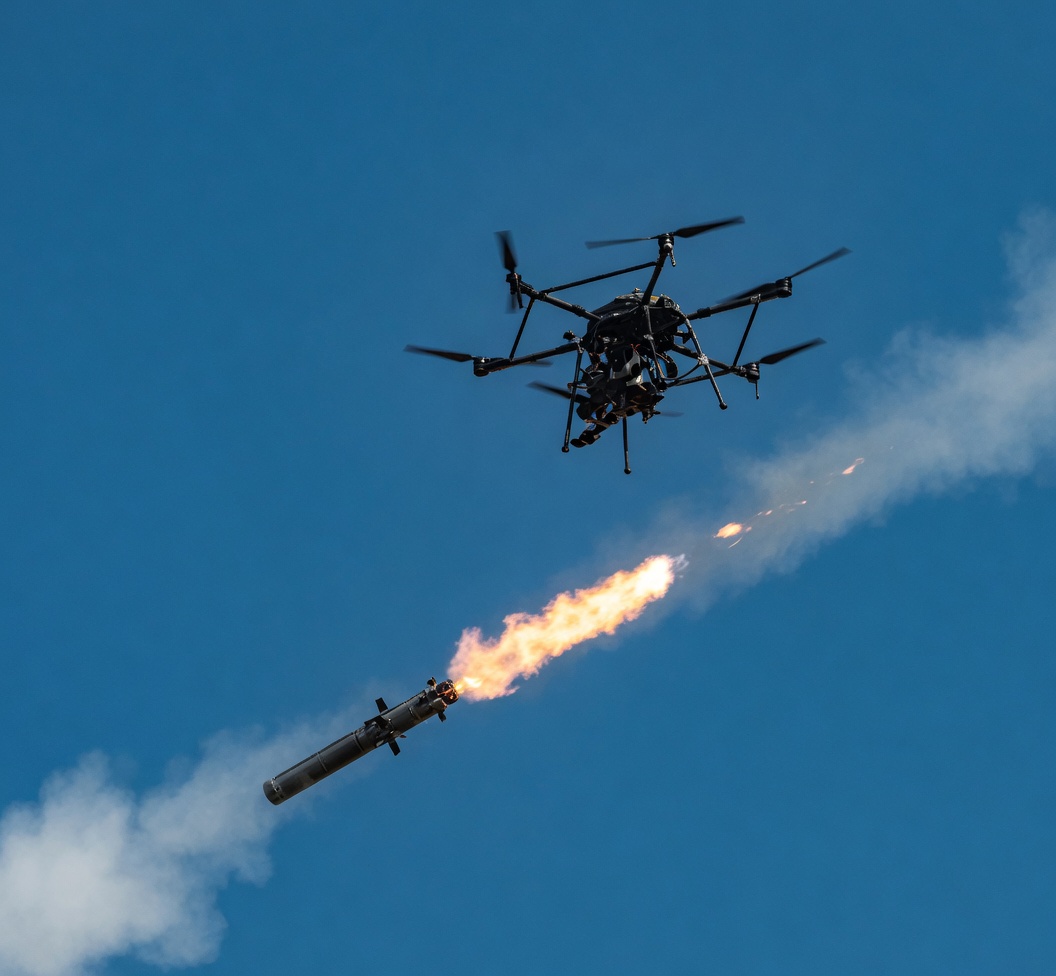
The recent announcement by the Indian Ministry of Defence regarding the successful trials of the Unmanned Aerial Vehicle Launched Precision Guided Missile-V3 (ULPGM-V3) underscores a pivotal moment in India's defense capabilities. However, this development raises pressing concerns about its relevance in contemporary warfare, particularly in light of the ongoing lessons from the Ukraine conflict. The ULPGM-V3, designed to engage both ground and aerial threats, is positioned as a counter-drone solution; yet, its effectiveness in a rapidly evolving battlefield context remains questionable.
The ULPGM-V3 is touted as an area-defense weapon system, intended to neutralize adversary drones and helicopters. However, the trials revealed a lack of critical specifications, such as range and accuracy, which are essential for assessing its operational viability. The missile's development, while a testament to India's growing defense manufacturing capabilities, does not address the pressing need for systems that can adapt to the realities of modern warfare, where troop deployments are increasingly dispersed and reconnaissance capabilities are heightened.
Moreover, the ULPGM's reliance on a ground control system introduces significant vulnerabilities. The architecture necessitates close coordination between the launch platform and the GCS, making it susceptible to electronic warfare and enemy countermeasures. In the context of the Ukraine war, where adversaries have demonstrated the ability to disrupt communication channels and target control centers, the ULPGM's operational framework appears unwieldy and ill-suited for frontline engagement. The potential for adversaries to saturate the deployment area with low-cost drones further complicates the ULPGM's effectiveness.
As drone warfare trends towards the deployment of inexpensive, mass-produced drones, the DRDO's focus on high-cost, technologically complex systems may be misaligned with battlefield needs. The emphasis on manpower-intensive operations and the requirement for trained personnel to manage the ULPGM system could hinder its responsiveness in dynamic combat situations. Instead, a strategic pivot towards developing autonomous drone technologies that leverage indigenous capabilities could better serve India's defense objectives, ensuring that the nation remains competitive in an era where drone warfare is increasingly defined by speed, cost-efficiency, and adaptability.
In conclusion, while the ULPGM-V3 represents a notable achievement for India's defense sector, it also highlights a critical disconnect between technological advancements and the evolving nature of warfare. The lessons from Ukraine should prompt a reevaluation of defense strategies, emphasizing the need for systems that are not only innovative but also pragmatically aligned with the realities of modern combat. The future of drone warfare lies in autonomous, low-cost solutions that can effectively counter emerging threats, rather than in complex systems that may struggle to keep pace with the changing landscape of conflict.