- Inbolt CEO Rudy Cohen will address the critical deployment challenges facing physical AI at RoboBusiness, emphasizing that the real bottleneck lies in the integration of perception and motion rather than data availability.
- The upcoming talk will highlight how physical AI has already demonstrated commercial viability in major automotive manufacturing lines, countering the narrative that it lacks practical applications.
- Inbolt's innovative approach aims to streamline the deployment process, potentially reducing the costs and time associated with integrating AI into robotic systems.
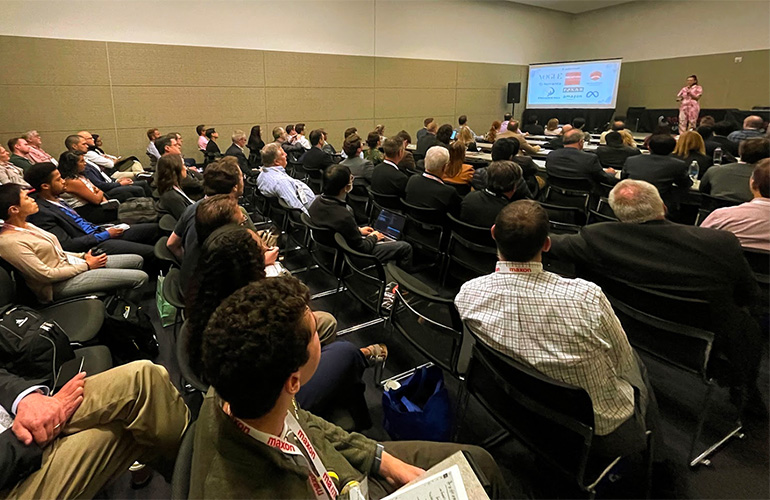
The urgency of addressing deployment challenges in physical AI cannot be overstated, particularly as industries increasingly rely on automation and robotics to enhance productivity. Inbolt's CEO, Rudy Cohen, is set to present at RoboBusiness on October 20, where he will argue that the prevailing focus on data as the primary constraint in physical AI is misguided. Instead, he posits that the real issue lies in the complex integration of perception and motion, which has proven to be a significant hurdle in practical applications across manufacturing environments.
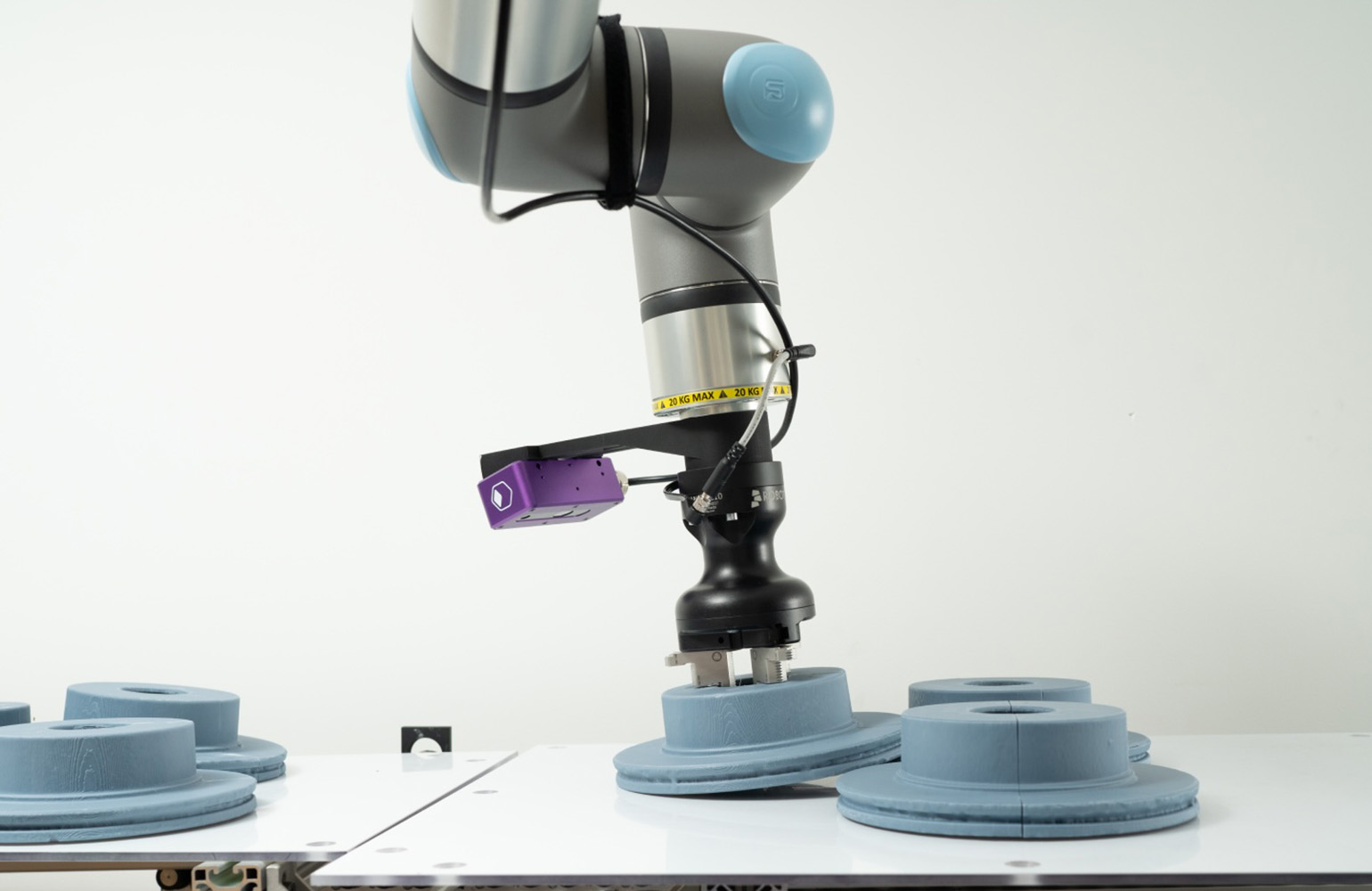
Cohen's insights are grounded in extensive experience, having overseen the deployment of vision-guided control systems in over 100 factories, which have collectively executed more than 40 million robot cycles. His assertion is that while data quality and quantity are essential in laboratory settings, they do not address the operational realities faced in factories. The integration tax associated with connecting perception systems to motion control is what truly impedes progress, making deployments costly and time-consuming.
During his talk, titled “Physical AI Doesn’t Have a Data Problem; It Has a Deployment Problem,” Cohen will draw on production data from major automotive manufacturers such as Stellantis, Toyota, and Ford. This evidence will support his claim that physical AI is already commercially viable, albeit not in the areas typically highlighted by industry narratives. By reframing the conversation around where physical AI can deliver value, Cohen aims to shift focus from merely expanding data models to improving the efficiency of deployment processes.
Inbolt's mission to create a real-time control layer that transforms digital twins into actionable robot execution is indicative of a broader trend in the industry. Since its inception in 2019, Inbolt has raised €20 million and established a presence in over 100 factories across Europe, the U.S., and Japan. This growth underscores the potential for innovative solutions to address the deployment challenges that have historically plagued the integration of AI in manufacturing. As the industry gathers at RoboBusiness, Cohen's perspective will be crucial in shaping discussions around the future of physical AI and its practical applications.