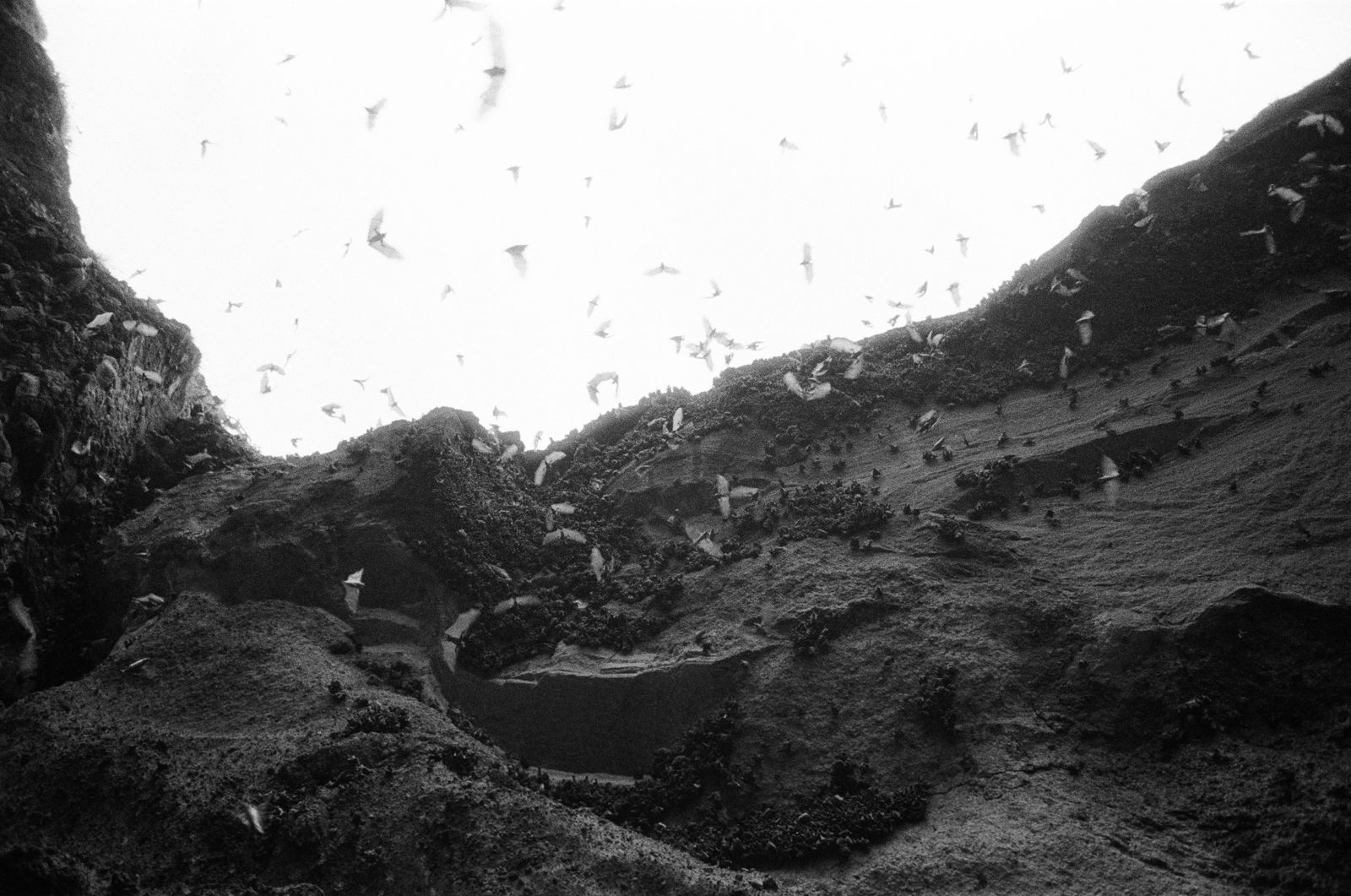
- The emergence of Brazilian free-tailed bats from Carlsbad Cavern represents a significant ecological event, transferring substantial insect biomass from the atmosphere to the cave ecosystem.
- Research indicates that these bats consume approximately three tons of insects nightly, with implications for pest control in surrounding agricultural areas.
- While the Carlsbad colony's impact on local pest populations is evident, further research is needed to quantify their agricultural reach and the potential benefits to crops beyond the immediate vicinity.
The nightly emergence of Brazilian free-tailed bats from Carlsbad Cavern is not merely a spectacle; it is a critical ecological event that underscores the importance of these bats in controlling insect populations in the surrounding environment. As they spiral out into the night sky, these bats are not just foraging; they are engaging in a vital transfer of biomass that significantly impacts the local ecosystem and agricultural landscapes. This phenomenon is particularly relevant as agricultural practices increasingly seek sustainable pest management solutions, highlighting the role of natural predators like bats in maintaining ecological balance.
The colony, estimated to number around 400,000 individuals, consumes an impressive three tons of insects each night, primarily moths and beetles. This consumption is not only a testament to the bats' voracious appetites but also a crucial factor in pest control, particularly for crops vulnerable to moth larvae, such as cotton and sorghum. Studies from Texas have shown that Brazilian free-tailed bats can intercept corn earworm moths, a significant agricultural pest, suggesting that similar dynamics may occur around Carlsbad. However, while the bats' dietary habits are well-documented, the direct correlation between their foraging activities and agricultural pest management in the region remains to be fully established.
Research conducted on the dietary habits of the Carlsbad bats reveals a diverse diet, with moths and beetles dominating their intake. The findings from fecal sample analyses indicate that these bats are effective at removing substantial quantities of insects from the air, which could otherwise pose threats to crops. However, the studies conducted in Texas provide a more robust understanding of the bats' role in agricultural pest control, as they directly link bat activity to the abundance of specific pests. This raises questions about the extent to which the Carlsbad colony contributes to similar pest management efforts, necessitating further research to clarify their agricultural impact.
As the bats migrate southward by late October, the seasonal dynamics of their foraging behavior become more pronounced. While some banding records suggest connections between the Carlsbad bats and winter roosts in Mexico, the specifics of their wintering habits remain largely unknown. This uncertainty highlights the need for continued monitoring and research to better understand the migratory patterns and ecological roles of these bats throughout the year. The implications of their nightly hunts extend beyond mere insect consumption; they represent a complex interplay between wildlife and agriculture that warrants further exploration.