- Clean energy ETFs are experiencing a recovery after a challenging two-year period marked by rising interest rates and policy uncertainties.
- The iShares Global Clean Energy ETF (ICLN), First Trust NASDAQ Clean Edge Green Energy Index Fund (QCLN), and Invesco Solar ETF (TAN) are the primary vehicles benefiting from this rebound.
- Investors must evaluate the unique characteristics and performance metrics of these ETFs to determine which aligns best with their portfolio strategies.
The current landscape for clean energy ETFs is particularly significant as the sector emerges from a protracted downturn characterized by rising interest rates, expiring incentives, and fluctuating policies. This recovery phase is critical for investors who have been waiting for signs of stability and growth in the clean energy market. The three leading ETFs—ICLN, QCLN, and TAN—are now at the forefront of this resurgence, each offering distinct investment opportunities that reflect the evolving dynamics of the clean energy sector.
The iShares Global Clean Energy ETF (ICLN) has been a cornerstone for investors seeking broad exposure to the clean energy market. Its diversified portfolio includes companies engaged in renewable energy production, which positions it well for long-term growth as global demand for clean energy solutions continues to rise. Meanwhile, the First Trust NASDAQ Clean Edge Green Energy Index Fund (QCLN) focuses on companies that are more technology-driven, emphasizing innovation in clean energy technologies. This focus on tech-centric firms could appeal to investors looking for higher growth potential, albeit with increased volatility.
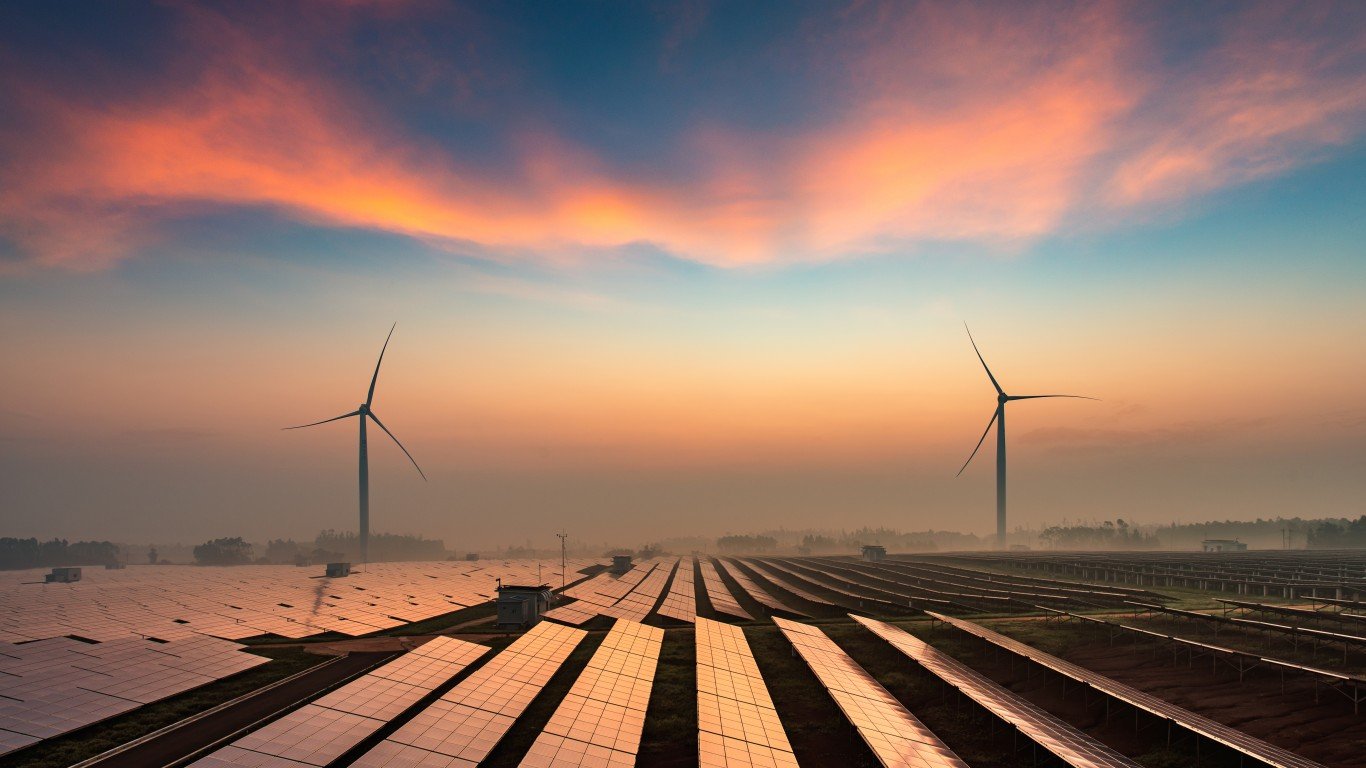
In contrast, the Invesco Solar ETF (TAN) specifically targets the solar energy sector, which has seen significant advancements and cost reductions in recent years. As solar technology becomes more efficient and affordable, TAN could benefit from the increasing adoption of solar solutions worldwide. This specialization allows investors to tap into the solar market's growth trajectory, but it also introduces sector-specific risks that must be carefully considered.
As the clean energy sector continues to recover, investors are faced with the critical task of assessing which ETF aligns best with their investment goals. The choice between ICLN, QCLN, and TAN will depend on individual risk tolerance, investment horizon, and the desire for sector diversification. Each ETF presents unique advantages and challenges, making it essential for investors to conduct thorough analyses of their performance metrics and market positioning. The ongoing recovery in clean energy is not just a fleeting moment; it represents a fundamental shift towards sustainable energy solutions that could redefine investment strategies for years to come.