- The Indian Air Force's precision strikes against Pakistani airbases highlight the evolving nature of air warfare and the vulnerabilities of military infrastructure.
- Recent airbase attacks in the Middle East and between Ukraine and Russia demonstrate the high costs and operational shifts necessitated by modern airbase vulnerabilities.
- The Agile Combat Employment (ACE) concept is emerging as a critical strategy for maintaining operational flexibility and survivability in contested environments.
The recent precision strikes by the Indian Air Force (IAF) against multiple Pakistani airbases underscore a pivotal shift in military strategy, emphasizing the urgent need for nations to reassess their airbase vulnerabilities in the face of advanced drone and missile technologies. As geopolitical tensions escalate, the ability to project power while ensuring the survivability of air assets has never been more critical. The IAF's operations, which successfully targeted command-and-control centers and infrastructure, illustrate the effectiveness of such strikes in crippling an adversary's operational capabilities, a lesson that resonates across various global theaters of conflict.
In parallel, Iran's recent strikes against U.S. military bases in the Gulf, following a joint U.S.-Israel operation, further highlight the strategic importance of airbase security. The damage inflicted on facilities like the Prince Sultan Air Base demonstrates the high stakes involved in airbase operations, where the consequences of vulnerability can lead to significant operational setbacks. Similarly, the ongoing conflict between Ukraine and Russia has seen both sides employing cruise missiles and drones to target each other's airbases, resulting in extensive damage and necessitating rapid adaptations in military strategies. These incidents collectively signal a transformative era in warfare, where airbase strikes are not only common but also increasingly impactful.
The historical context of airbase strikes reveals a long-standing evolution in military tactics, from World War I to contemporary conflicts. The strategic bombing campaigns of the past laid the groundwork for modern air operations, emphasizing the need to neutralize enemy air capabilities on the ground. However, the inherent vulnerabilities of airbases—such as the difficulty in fully protecting runways and the reliance on fixed locations—remain a significant challenge. As military planners recognize that approximately 75% of past airbase attacks utilized standoff weapons, the proliferation of long-range missiles and drones has made airbases more susceptible to precision strikes, necessitating a reevaluation of defense strategies.
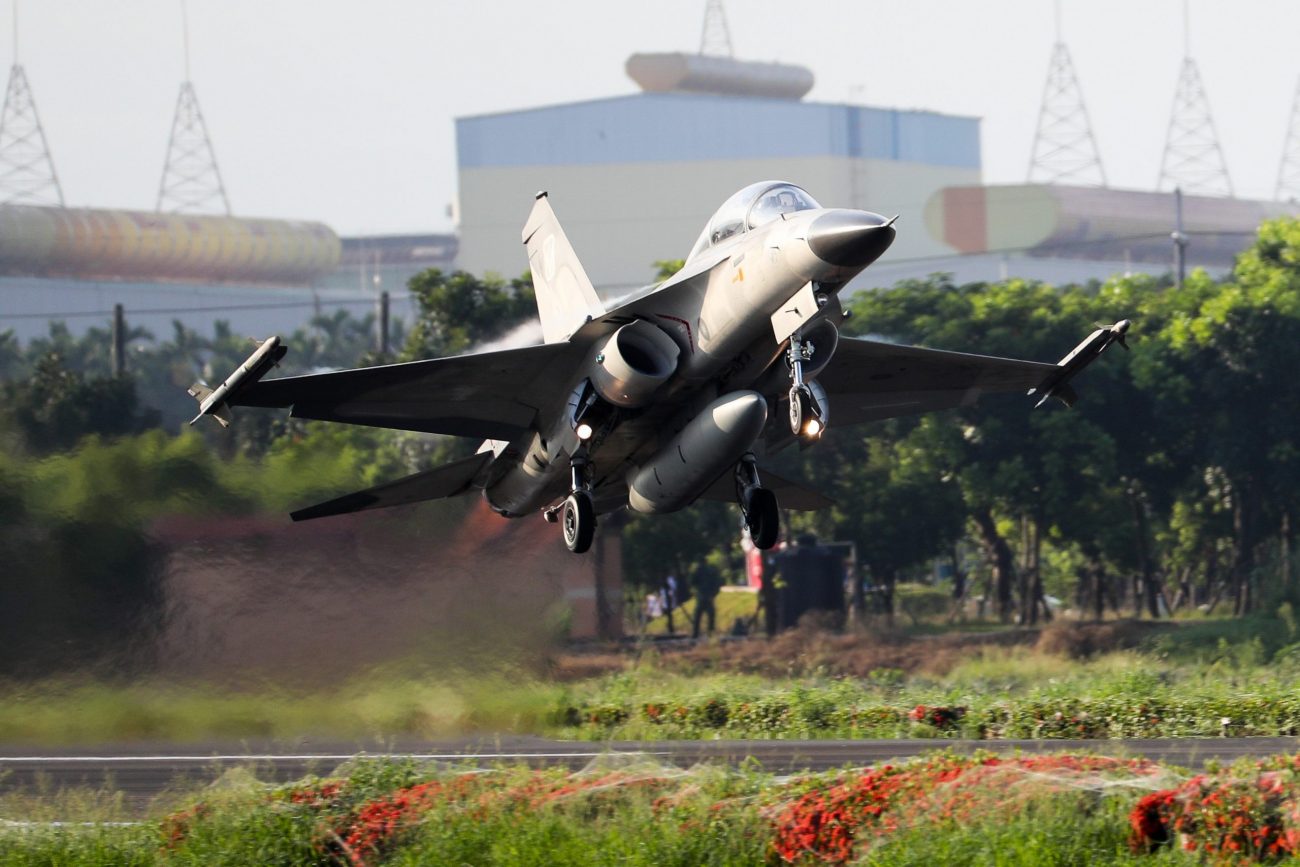
To address these vulnerabilities, the Agile Combat Employment (ACE) concept is gaining traction as a proactive approach to air power projection. By leveraging mobile air force units and utilizing unconventional operating surfaces like highways, military forces can enhance their operational flexibility and complicate enemy targeting processes. This strategy not only allows for rapid response capabilities but also mitigates the risks associated with traditional forward-deployed airbases. The integration of ACE into military doctrine reflects a broader trend towards dispersal and mobility, ensuring that air forces can maintain operational effectiveness in increasingly contested environments.
As nations adapt to the realities of modern warfare, the role of forward airbases is evolving. While they remain essential for rapid response and high-tempo operations, their design and operational strategies must prioritize survivability against precision-guided munitions. The ongoing development of hardened shelters, rapid runway repair capabilities, and mobile air defense systems will be crucial in maintaining the relevance of these bases. Ultimately, the lessons learned from recent conflicts will shape the future of airbase operations, emphasizing the need for a hybrid approach that balances efficiency with resilience in the face of emerging threats.