- The U.S. Army is adapting its combat medical strategies for the unique challenges posed by potential conflicts in the Indo-Pacific theater, emphasizing prolonged field care and modular medical capabilities.
- Combat medics face significant logistical hurdles, including distance, contested environments, and limited evacuation options, necessitating innovative solutions and cross-training among medical teams.
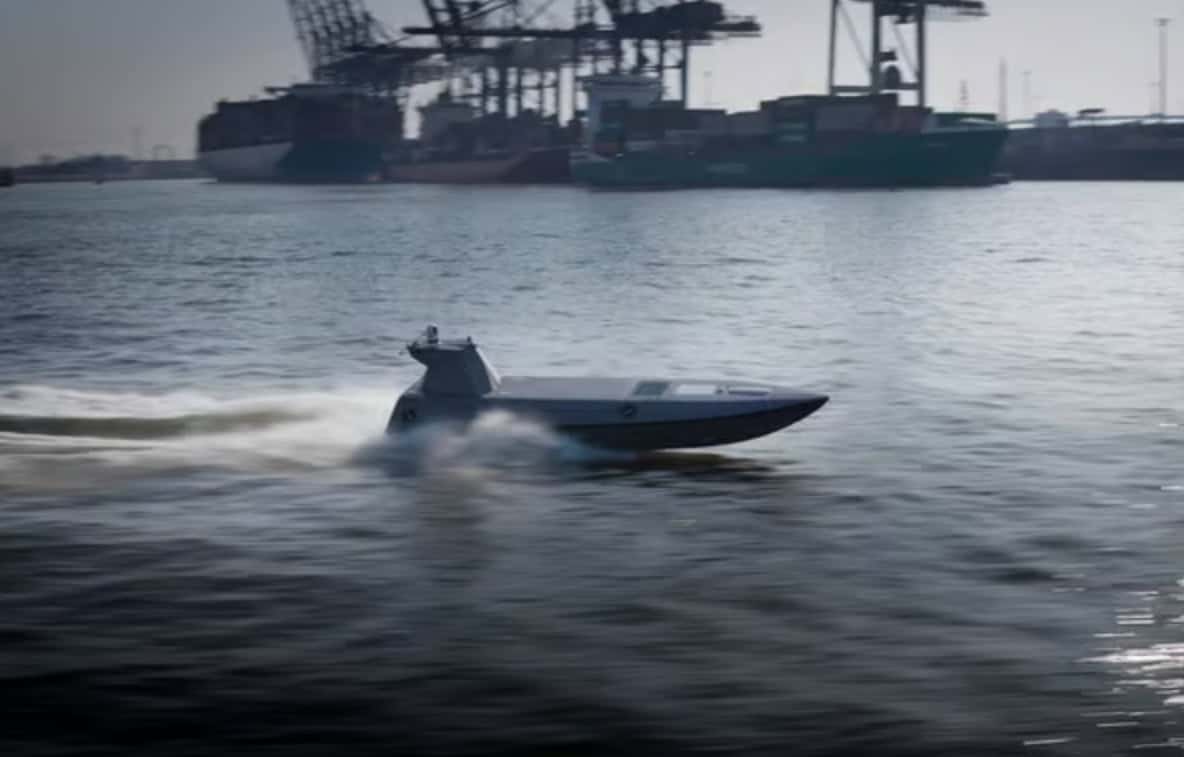
- The integration of unmanned systems and telemedicine is becoming crucial for casualty evacuation and medical support in the region, reflecting a shift in military medical operations.
The urgency of preparing combat medics for operations in the Indo-Pacific cannot be overstated, as the region presents a complex array of challenges that differ markedly from those encountered in previous conflicts like Iraq and Afghanistan. The U.S. Army's historical reliance on the "Golden Hour" standard for trauma care, which mandates rapid evacuation to surgical facilities, may not be feasible in the vast and contested landscapes of the Pacific. This necessitates a reevaluation of medical protocols and capabilities, as highlighted by Army Lt. Col. Lauren Hamlin, who underscores the need for resilient medical systems that can function effectively in austere environments.
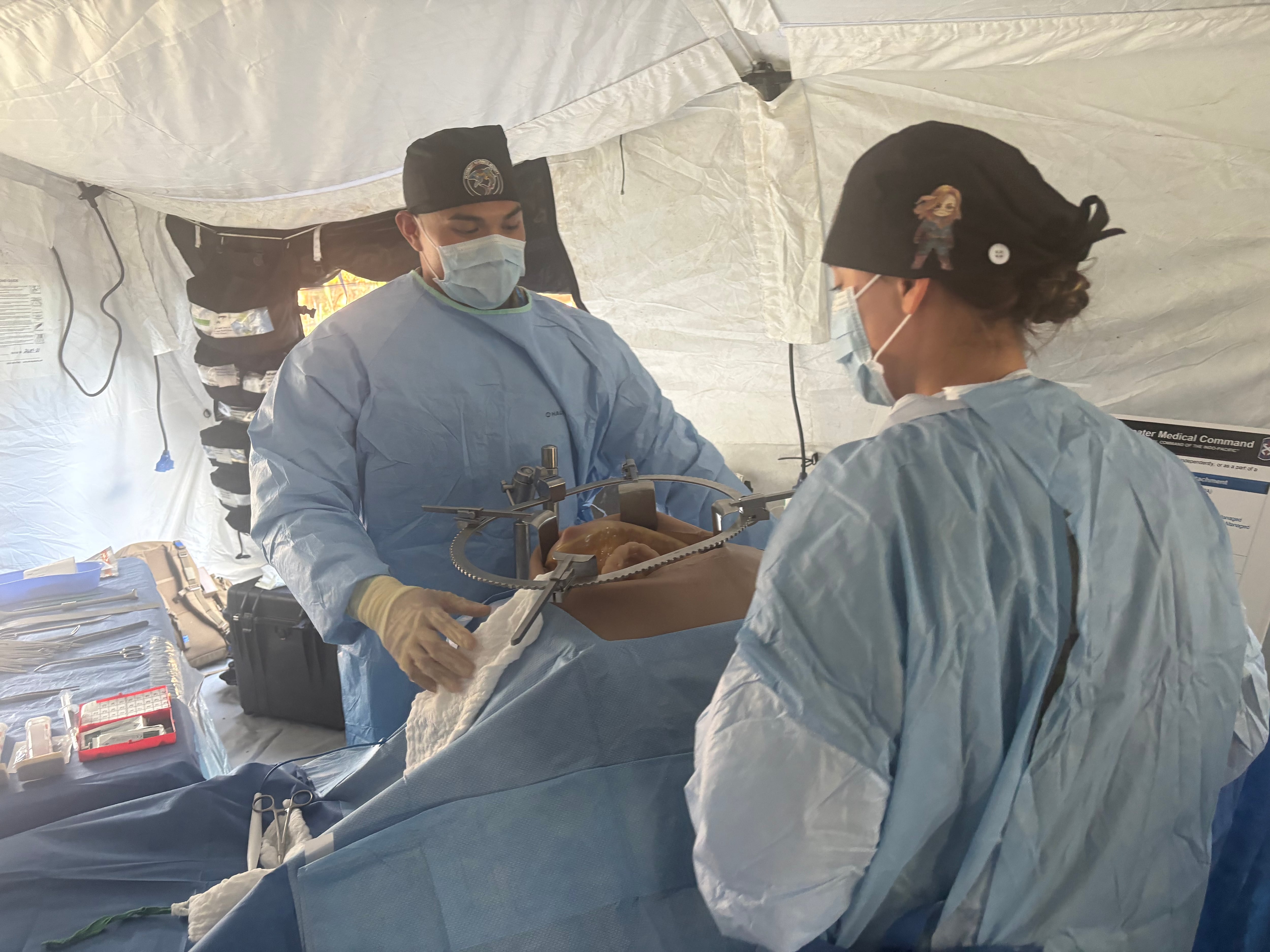
In her remarks, Hamlin points out that the geographical and logistical realities of the Indo-Pacific—characterized by distance, limited infrastructure, and contested logistics—demand a shift towards prolonged field care and forward surgical stabilization. The Army's approach is evolving to become more modular, allowing for flexible decision-making that can adapt to the unique circumstances of various locations. This is a significant departure from past models, such as those seen in Vietnam, where medical care was more centralized and less adaptable to the fluid dynamics of modern warfare.
Moreover, the anticipated nature of combat in the Indo-Pacific suggests a return to more conventional warfare scenarios, akin to World War II, rather than the counterinsurgency operations of the last two decades. Hamlin's assertion that the injury rates and types of trauma encountered will differ significantly underscores the need for tailored medical training and resources. The potential for air superiority challenges further complicates the situation, as medical teams may face increased risks when attempting to evacuate patients to higher levels of care.
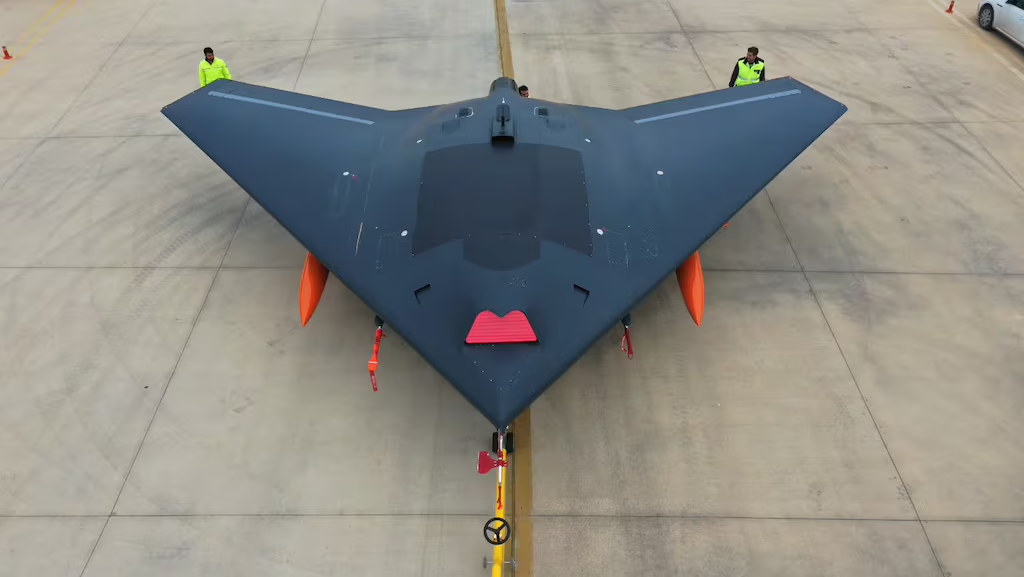
To address these challenges, the Army is exploring innovative solutions, including the integration of veterinary services with human medical care and the use of unmanned aerial vehicles (UAVs) for logistics and patient transport. The deployment of drones could enhance situational awareness and expedite the delivery of critical supplies, thereby improving the overall efficiency of medical operations in contested environments. Additionally, the Army is investigating telemedicine and AI-supported medical decision tools to maintain care continuity when traditional evacuation routes are compromised.
The ongoing demonstrations and simulations, such as those conducted at the Land Forces of the Pacific Symposium, illustrate the Army's commitment to adapting its medical capabilities to meet the demands of future conflicts. By leveraging technology and fostering interoperability among joint and partner forces, the Army aims to ensure that its combat medics are equipped to handle the unique challenges of the Indo-Pacific theater, ultimately enhancing the survivability and care of wounded personnel in a rapidly evolving battlefield landscape.