
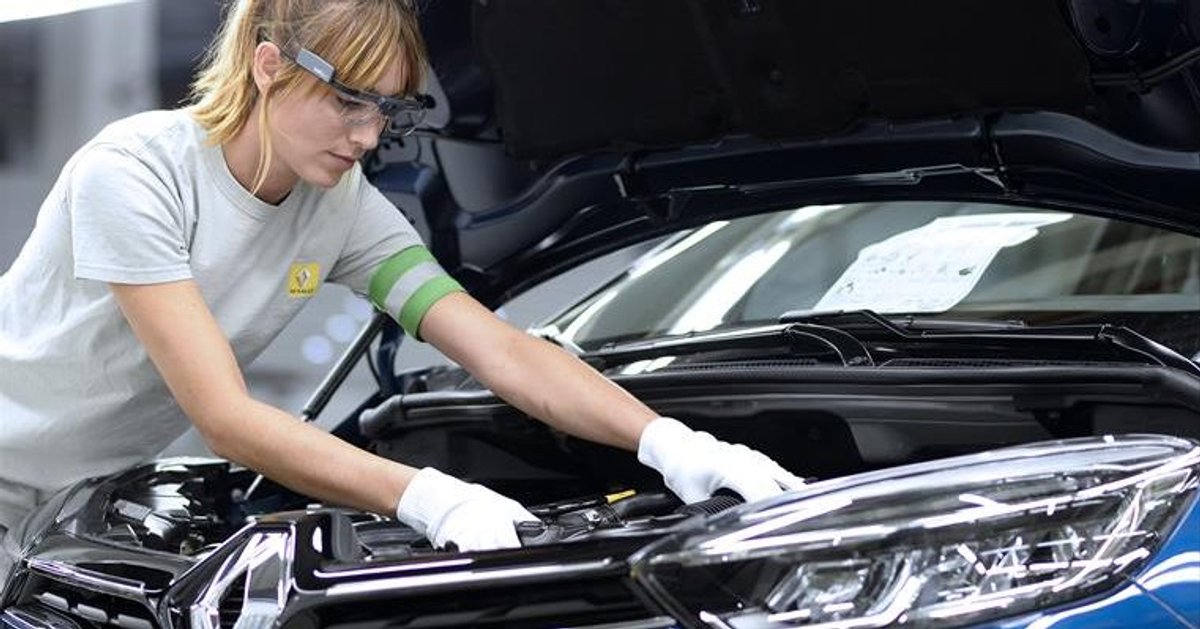
- Renault's partnership with SUEZ marks a significant step in the sustainable management of electric vehicle batteries, addressing both environmental concerns and resource scarcity.
- The establishment of the Individual System for battery recycling is a proactive move to reclaim valuable minerals, which is crucial as EV adoption accelerates.
- This initiative not only enhances Renault's sustainability credentials but also positions the company as a leader in the circular economy within the automotive sector.
The urgency of addressing electric vehicle (EV) battery recycling cannot be overstated, especially as global EV sales continue to surge. The partnership between Renault and SUEZ to establish the first Individual System for recycling EV batteries is a critical development that underscores the automotive industry's commitment to sustainability. As the demand for EVs grows, so does the need for effective recycling solutions to manage the lifecycle of batteries, which contain valuable minerals that can be reused rather than discarded. This initiative is not merely a response to regulatory pressures; it is a strategic move to secure a sustainable supply chain for essential materials in the face of increasing resource scarcity.
Renault's collaboration with SUEZ aims to create a closed-loop system that allows for the recovery of key minerals from used batteries, such as lithium, cobalt, and nickel. This process is vital as it mitigates the environmental impact associated with mining these materials, which often involves significant ecological disruption and carbon emissions. By investing in recycling infrastructure, Renault is not only enhancing its operational efficiency but also contributing to the broader goal of reducing the carbon footprint of the automotive industry. The Individual System represents a forward-thinking approach to resource management, aligning with global sustainability goals and the circular economy framework.
The implications of this partnership extend beyond just Renault and SUEZ; they signal a shift in the automotive sector towards more responsible practices. As other manufacturers observe the benefits of such initiatives, there is potential for a ripple effect across the industry, encouraging more companies to adopt similar recycling strategies. This could lead to a more robust ecosystem for battery recycling, ultimately fostering innovation and collaboration among stakeholders. The move also positions Renault as a leader in the circular economy, enhancing its brand reputation and potentially influencing consumer preferences towards more sustainable automotive options.
In conclusion, the establishment of the Individual System for EV battery recycling by Renault and SUEZ is a pivotal moment in the transition towards sustainable mobility. It addresses pressing environmental challenges while also securing a competitive advantage in the rapidly evolving automotive landscape. As the industry continues to navigate the complexities of EV adoption and resource management, initiatives like this will be crucial in shaping a sustainable future for transportation.







