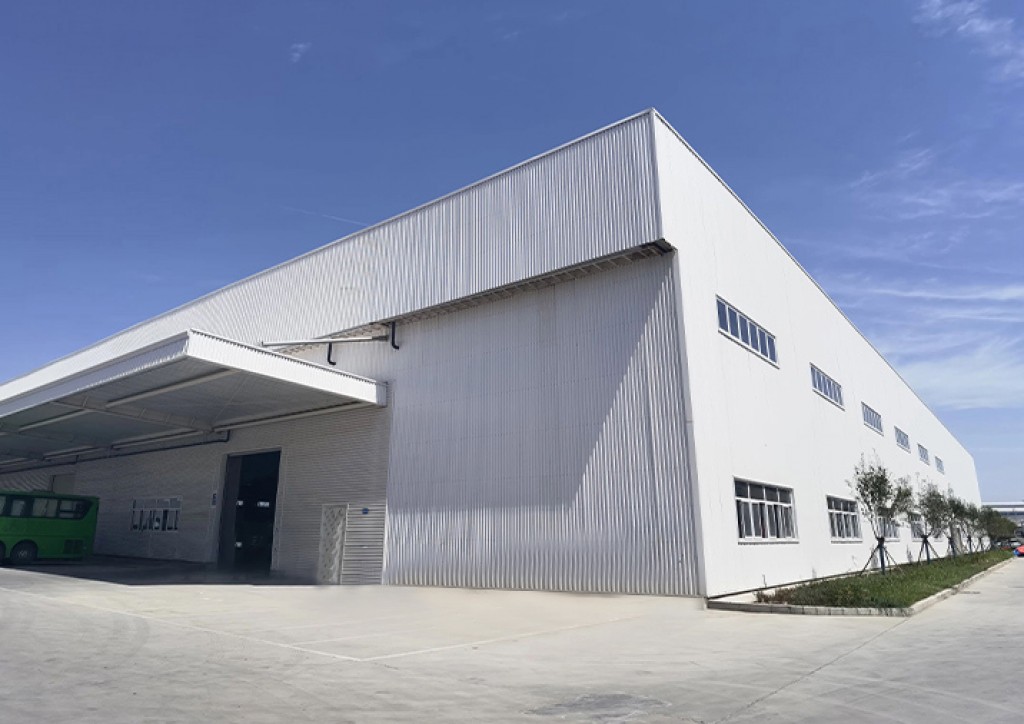
- EV golf cart suppliers are increasingly influencing the OEM parts supply chain, highlighting a shift towards electrification in recreational vehicles.
- This transformation is driven by rising consumer demand for sustainable transportation options and advancements in battery technology.
- The implications for traditional OEMs include the need to adapt to new supply chain dynamics and potentially rethink their product offerings.
The current landscape of the OEM parts supply chain is undergoing a significant transformation, primarily driven by the emergence of electric vehicle (EV) golf cart suppliers. This shift is not merely a trend; it represents a fundamental change in how recreational vehicles are perceived and manufactured. As consumer preferences increasingly lean towards sustainability and eco-friendliness, the demand for electric golf carts is surging, prompting suppliers to innovate and adapt their offerings. This evolution is critical as it sets the stage for broader implications across the entire automotive supply chain, particularly for traditional OEMs who must now navigate this new terrain.
Recent developments indicate that EV golf cart suppliers are not just filling a niche market; they are reshaping the entire supply chain dynamics. The rise in popularity of electric golf carts is closely tied to advancements in battery technology, which have made these vehicles more efficient and accessible. As these suppliers ramp up production to meet consumer demand, they are also influencing the sourcing and distribution of OEM parts. This shift necessitates a reevaluation of existing supply chain strategies, as traditional manufacturers may find themselves competing with agile, innovative players who are more in tune with the current market demands.
The implications for traditional OEMs are profound. As EV golf cart suppliers gain traction, established manufacturers must adapt to a rapidly changing environment that prioritizes sustainability and efficiency. This may involve rethinking their product lines to include electric options or collaborating with new suppliers who specialize in EV components. The pressure to innovate is mounting, and those who fail to respond may risk losing market share to more nimble competitors. The integration of electric golf carts into the broader automotive ecosystem could also lead to new partnerships and collaborations, further altering the landscape of the supply chain.
In conclusion, the rise of EV golf cart suppliers is a clear indicator of the shifting priorities within the automotive industry. As these suppliers continue to disrupt the traditional OEM parts supply chain, they are paving the way for a more sustainable future in transportation. The urgency for traditional manufacturers to adapt cannot be overstated; the time to innovate and embrace these changes is now, or they may find themselves left behind in an increasingly electrified market.