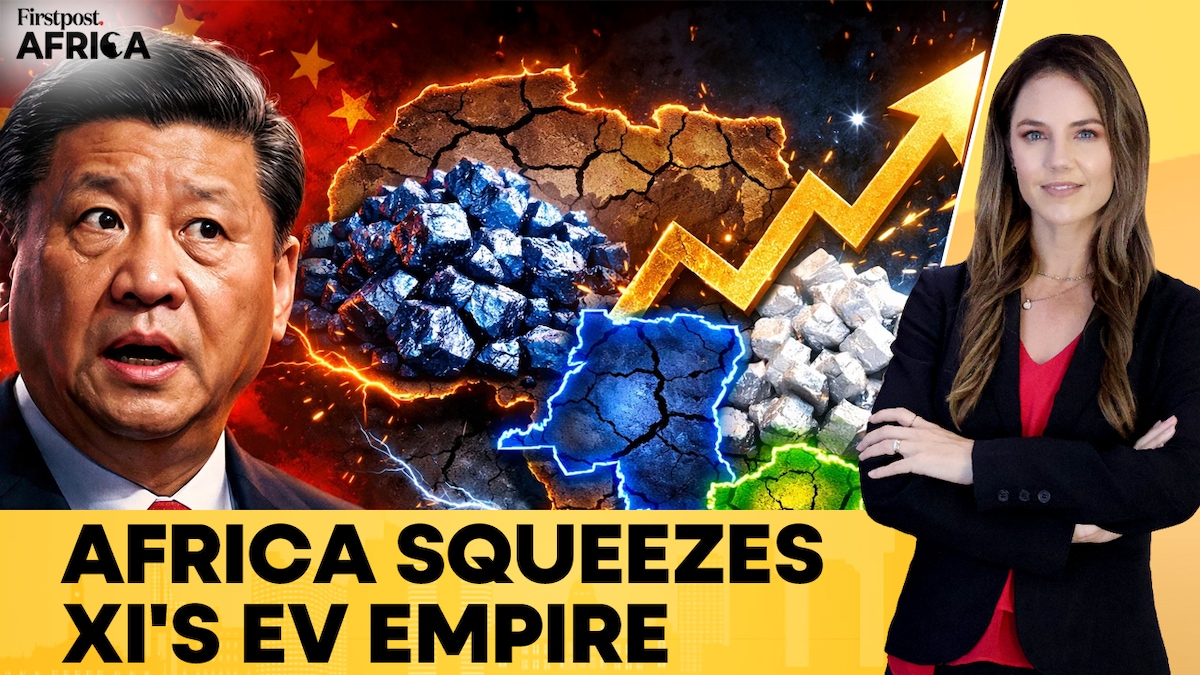
- Africa's recent bans on cobalt and lithium exports are significantly disrupting China's electric vehicle (EV) supply chain.
- This shift indicates a strategic pivot by African nations to retain more value from their mineral resources.
- The implications of these bans could lead to increased costs and supply shortages for Chinese EV manufacturers, potentially reshaping the global EV market landscape.
The urgency of Africa's cobalt and lithium export bans cannot be overstated, as these minerals are critical to the production of electric vehicle batteries. With China being the largest consumer of these resources, the bans represent a seismic shift in the supply chain dynamics that could have far-reaching consequences. African nations are increasingly recognizing the need to leverage their mineral wealth for domestic economic growth rather than allowing foreign powers to extract resources with minimal local benefit. This strategic pivot is not merely a reaction to global market pressures; it reflects a growing assertion of sovereignty over natural resources that could redefine international trade relationships in the EV sector.
The bans, which have been implemented by key African producers, are aimed at curbing the export of raw minerals while encouraging local processing and manufacturing. This move is designed to ensure that African countries capture more value from their resources, rather than allowing foreign companies, particularly those from China, to benefit disproportionately. As a result, Chinese manufacturers are now faced with the dual challenge of sourcing these critical materials at potentially higher costs and navigating a more complex regulatory landscape. The immediate impact is likely to be felt in the form of increased prices for EV batteries, which could, in turn, lead to higher retail prices for consumers.
Moreover, the bans signal a broader trend of resource nationalism that could reshape the competitive landscape of the global EV market. As African nations assert control over their mineral resources, they may also seek to establish partnerships with other countries or regions that are willing to invest in local processing capabilities. This could lead to the emergence of new players in the EV supply chain, further complicating China's dominance in the sector. The potential for supply shortages looms large, as Chinese manufacturers may struggle to find alternative sources for cobalt and lithium, which are essential for battery production.
In conclusion, the implications of Africa's cobalt and lithium export bans extend beyond immediate supply chain disruptions; they represent a fundamental shift in how mineral resources are managed and valued. As African nations prioritize local economic development and resource sovereignty, the global EV market must adapt to these changes. For China, the challenge will be to innovate and secure alternative supply routes while navigating a landscape that is increasingly influenced by the strategic interests of African nations. The future of the EV industry may hinge on how effectively these dynamics are managed in the coming years.