- House Republicans have introduced a defense budget proposal that includes a provision for unprecedented military integration with Israel, potentially reshaping U.S. military dynamics.
- The “United States-Israel Defense Technology Cooperation Initiative” could significantly increase Israeli influence over U.S. defense and political landscapes.
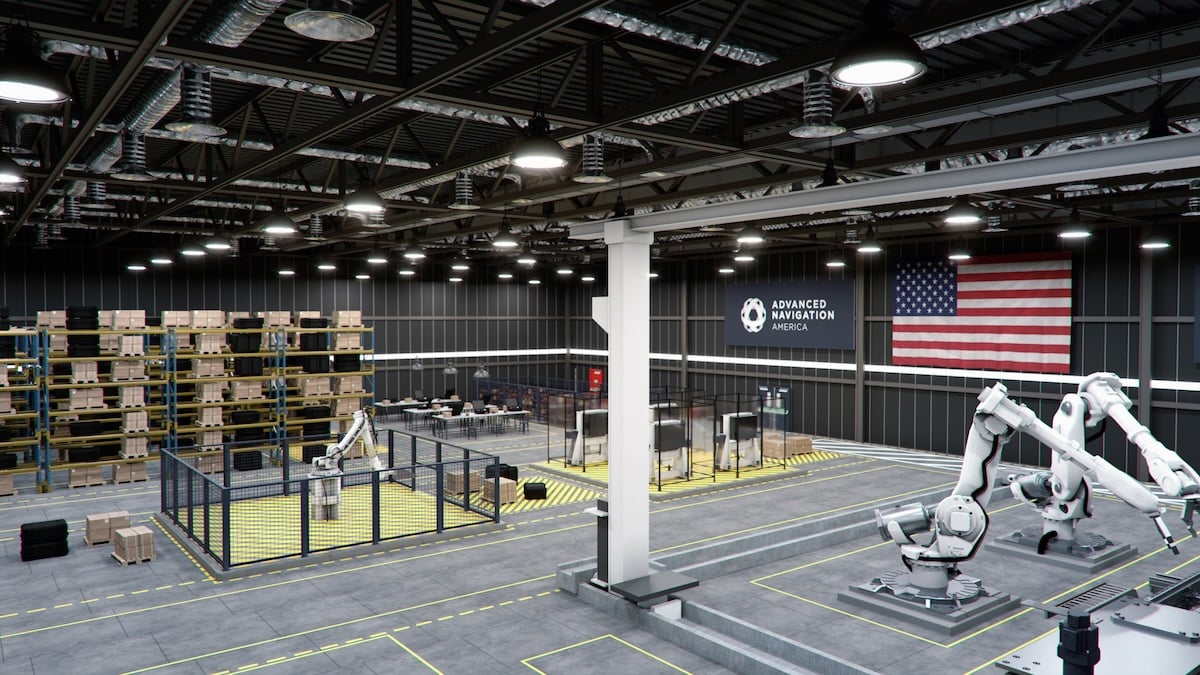
- By establishing co-production facilities in the U.S., Israel may leverage job creation to enhance its political clout within Congress.
The recent defense budget proposal from House Republicans signals a pivotal moment in U.S. military policy, particularly regarding its relationship with Israel. The inclusion of the “United States-Israel Defense Technology Cooperation Initiative” within the more than $1.1 trillion budget is not merely a financial maneuver; it represents a strategic shift that could redefine military collaboration between the two nations. This initiative, as highlighted by foreign policy analyst Ben Freeman, suggests a level of military-industrial integration that surpasses any existing partnerships the U.S. has with other countries, marking a significant departure from traditional defense arrangements.
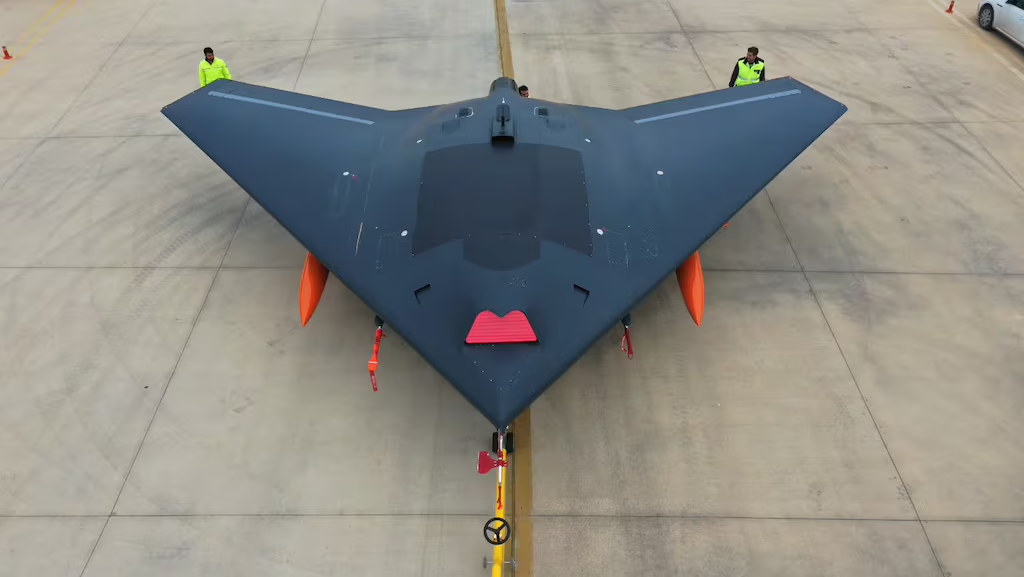
Freeman's analysis underscores the depth of existing military cooperation between the U.S. and Israel, which has historically included joint operations and intelligence sharing. However, the proposed initiative is characterized as a “different beast entirely,” indicating a transformative approach to defense collaboration. By focusing on critical areas such as autonomous systems and cyber capabilities, the initiative aims to fuse the defense sectors of both nations in ways that could have lasting implications for military strategy and operational effectiveness.
The potential for increased Israeli influence on U.S. politics is particularly concerning. Freeman warns that this budget provision could create a pathway for Israel to expand its leverage within the U.S. political landscape, especially through job creation initiatives tied to military production. The establishment of co-production facilities in states like Mississippi and Arkansas not only provides economic benefits but also cultivates political alliances with local congressional representatives. This dynamic could lead to a political environment increasingly responsive to Israeli interests, raising questions about the independence of U.S. foreign policy.
Moreover, the implications of this integration extend beyond mere economic partnerships; they suggest a deeper entanglement that may render the U.S. more susceptible to Israeli strategic decisions, particularly in the context of military engagements in the Middle East. As Freeman notes, the potential for an Israeli government to draw the U.S. into conflicts could become more pronounced, complicating the already intricate geopolitical landscape. The ramifications of this initiative could thus resonate far beyond defense budgets, influencing the very fabric of U.S. foreign policy and its military commitments globally.