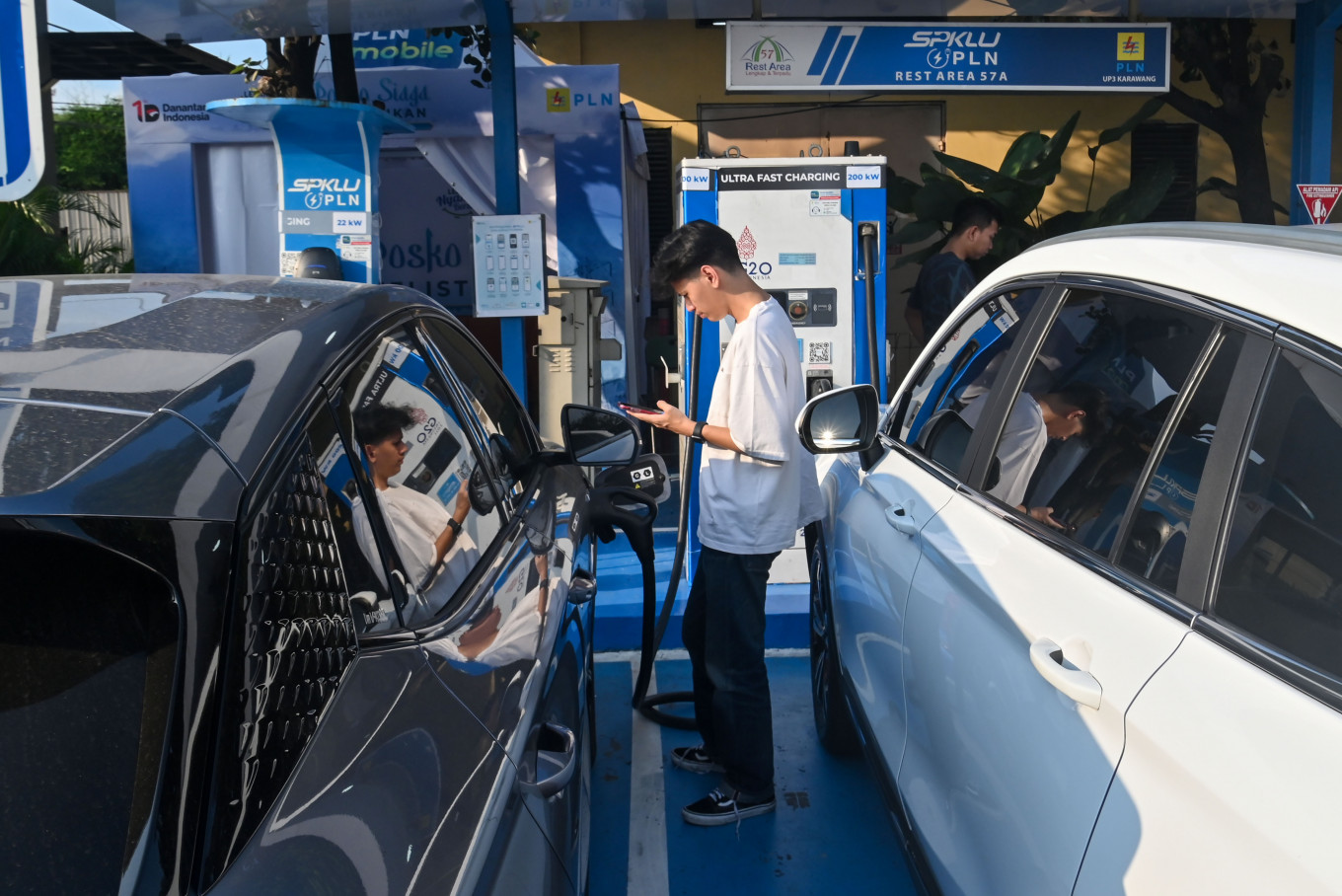
- The Indonesian government has reversed its stance on taxing electric vehicles (EVs) as adoption rates increase, signaling a shift in policy to support the burgeoning industry.
- This decision reflects a growing recognition of the importance of EVs in achieving sustainability goals and reducing carbon emissions.
- The move may encourage further investment and innovation in the EV sector, potentially positioning Indonesia as a regional leader in clean transportation.
The recent reversal by the Indonesian government regarding electric vehicle taxation is a pivotal moment for the country's EV industry, which has been gaining momentum. As adoption rates rise, the government’s decision to eliminate proposed taxes on EVs underscores a strategic pivot towards fostering a more favorable environment for clean transportation. This shift is not merely a reaction to market trends; it reflects a deeper understanding of the role that EVs can play in Indonesia's broader sustainability and environmental goals. The urgency of addressing climate change and reducing urban pollution has never been more pronounced, making this policy change particularly timely.
The latest ministerial regulation effectively dismantles the remaining barriers that could have hindered the growth of the EV market in Indonesia. Previously, there were concerns that imposing taxes on electric vehicles would stifle consumer interest and slow down the transition from traditional combustion engines. By backtracking on these taxation plans, the government is sending a clear signal that it prioritizes the development of the EV sector, which is crucial for meeting both domestic energy needs and international climate commitments.
This decision is likely to have significant implications for investment in the EV industry. With a more supportive regulatory framework, manufacturers and investors may feel more confident in committing resources to develop EV infrastructure and technology in Indonesia. The potential for innovation in this space is vast, and as the government aligns its policies with the realities of market demand, it opens the door for new entrants and established players alike to capitalize on the growing consumer interest in electric vehicles.
Moreover, this policy shift could position Indonesia as a regional leader in clean transportation. As neighboring countries also grapple with the transition to sustainable energy solutions, Indonesia's proactive stance on EVs may serve as a model for others in the region. By embracing electric vehicles, Indonesia not only enhances its own energy security but also contributes to the global effort to combat climate change, reinforcing the importance of collaborative action in the face of environmental challenges.