
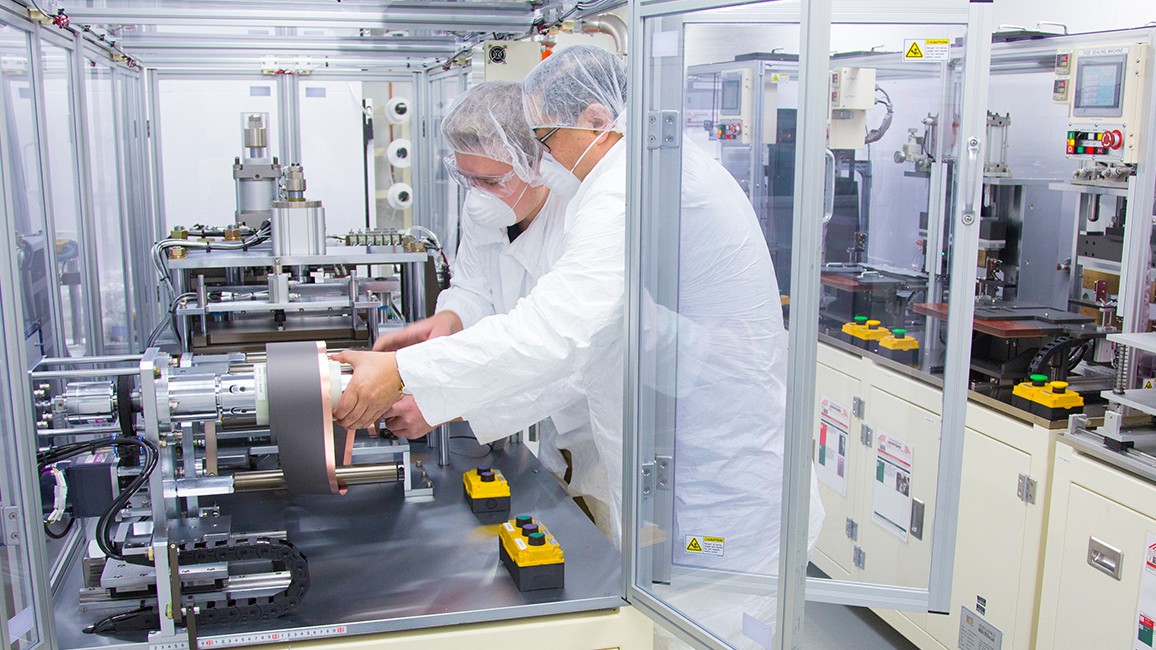
- Nearly half of electric vehicles (EVs) continue to depend on cobalt-based batteries, highlighting significant supply chain vulnerabilities.
- Despite the transition to cobalt-free lithium iron phosphate (LFP) batteries by some manufacturers, the reliance on cobalt remains a critical concern for the industry.
- Automakers must navigate these supply risks as they scale production to meet increasing demand for EVs, which could impact their operational stability and market competitiveness.
The ongoing reliance on cobalt in nearly half of electric vehicles underscores a pressing vulnerability within the EV industry, particularly as global demand for these vehicles surges. The situation is exacerbated by geopolitical tensions and supply chain disruptions that could significantly impact cobalt availability, raising alarms for manufacturers who are still heavily invested in cobalt-based battery technologies. As automakers ramp up production to meet consumer demand, the risks associated with cobalt supply chains could hinder their operational capabilities and market positioning.
While companies like Tesla and BYD are making strides toward adopting cobalt-free lithium iron phosphate (LFP) batteries, the transition is not yet universal. The persistence of cobalt in battery production highlights a dual reality: while some manufacturers are innovating to reduce reliance on cobalt, a substantial portion of the market remains tethered to this critical mineral. This reliance creates a precarious balance for automakers, who must weigh the benefits of cobalt-free alternatives against the immediate performance and energy density advantages offered by cobalt-based batteries.
The implications of cobalt supply disruptions extend beyond individual manufacturers; they could ripple through the entire EV ecosystem, affecting everything from production timelines to pricing strategies. As the industry grapples with these challenges, the urgency for diversified supply chains becomes increasingly clear. Automakers may need to invest in alternative battery technologies or secure long-term contracts with cobalt suppliers to mitigate risks, ensuring that they can maintain production levels and meet consumer expectations in a competitive market.
Ultimately, the cobalt supply chain risks serve as a critical reminder of the complexities inherent in the transition to electric mobility. As the industry evolves, stakeholders must remain vigilant and proactive in addressing these vulnerabilities, balancing innovation with the realities of resource availability. The path forward will require strategic planning and collaboration across the supply chain to ensure that the growth of the EV market is sustainable and resilient against external shocks.







