GMG’s new graphene aluminium‑ion (G+AI) battery is being positioned as a fast‑charge workhorse that can go from empty to full in about six minutes, aimed first at heavy equipment and commercial applications rather than long‑range passenger EVs. The technology is still in the lab‑to‑pilot phase but carries an aggressive roadmap toward field testing in 2026 and initial commercial production in 2027.
Why this battery is different
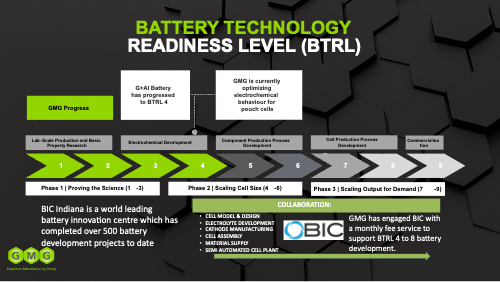
GMG and the University of Queensland, working with Rio Tinto and the U.S. Battery Innovation Center (BIC), have taken G+AI cells to Battery Technology Readiness Level 4, meaning multilayer pouch cells are now undergoing structured lab testing rather than just coin‑cell experiments. The company’s target spec for its main use case includes sub‑6‑minute full charging, more than 100 Wh/kg after a one‑hour charge, 10,000‑cycle life, and operation without lithium, which reduces thermal‑runaway risk and critical‑mineral exposure compared with conventional lithium‑ion chemistries.
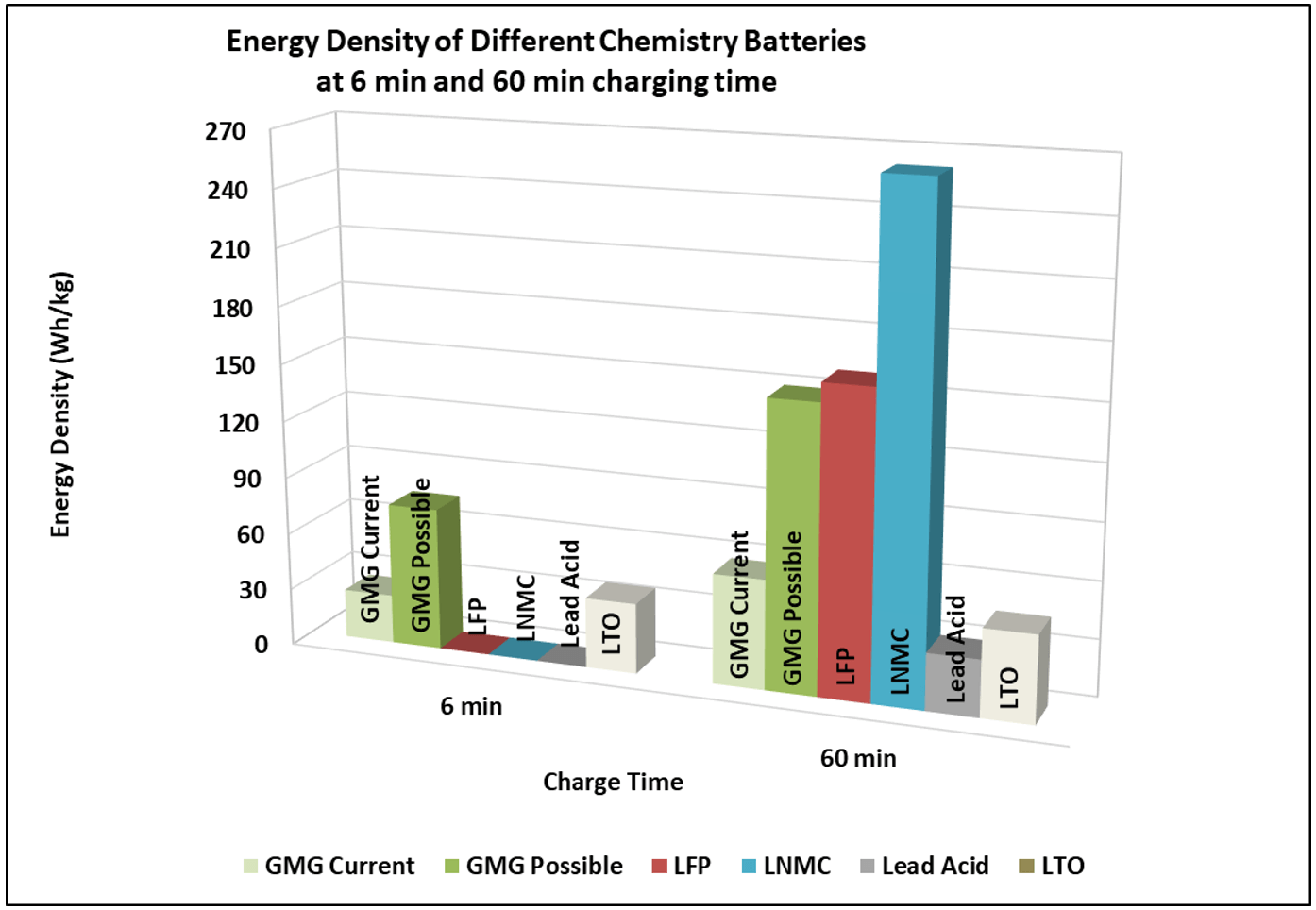
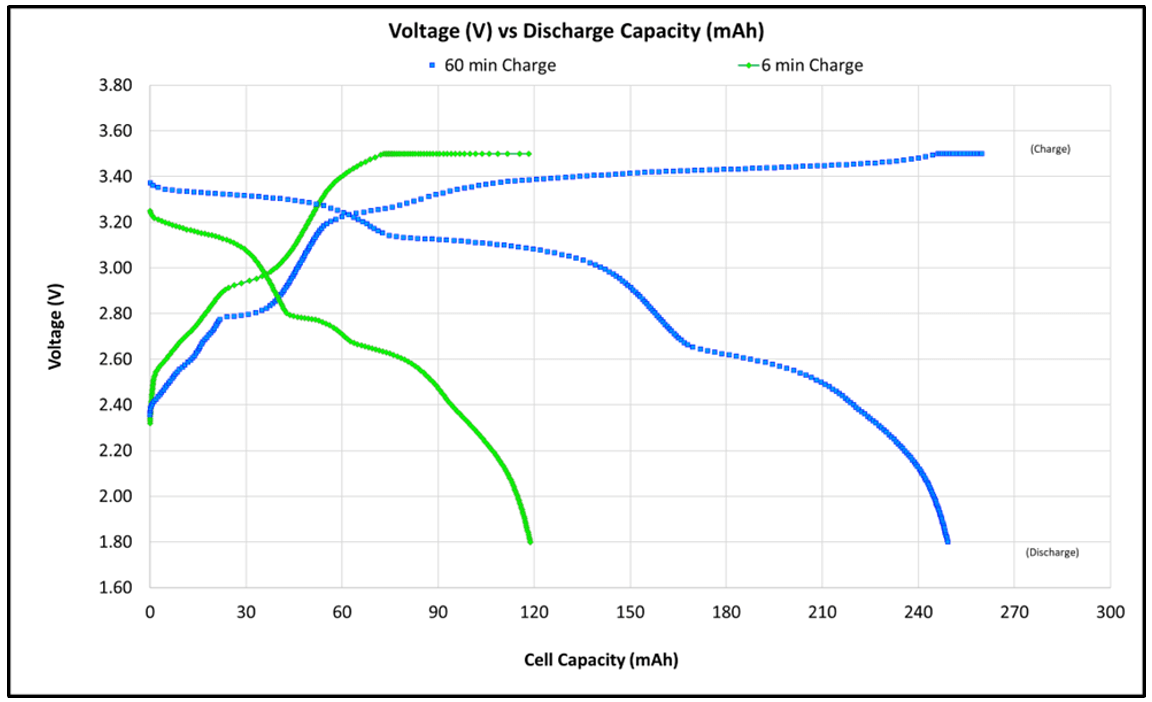
Third‑party data from BIC shows the current G+AI pouch cells delivering 58 Wh/kg at a one‑hour charge and 26 Wh/kg at a six‑minute charge, with cells reaching 62% of capacity in just 3.2 minutes at a nominal voltage of about 3.0 V. GMG’s roadmap calls for pushing that toward more than 150 Wh/kg at a one‑hour charge and over 75 Wh/kg at six minutes by optimising the cathode, anode, electrolyte and component mass—numbers that would put G+AI deeper into mainstream EV territory while preserving ultra‑fast charging.
What Bob Galyen sees in it
Bob Galyen, former CTO of CATL and now a GMG non‑executive director, describes the G+AI chemistry as having disruptive potential because it changes how designers think about energy turnaround rather than only pack size. With a six‑minute full charge and high power capability, he argues that engineers could downsize packs and optimise vehicles around quick pit‑stop charging, using safer and more abundant inputs like aluminium and graphene instead of lithium‑heavy chemistries.
He notes that lithium‑ion will remain a major part of the landscape, but its constraints around fast charging, temperature windows and critical‑mineral supply are becoming clearer every year. In his view, the companies that adapt quickly to alternatives like G+AI will be better placed to lead the next wave of electrification, particularly in commercial, grid and specialty‑device segments where uptime and safety trump raw range.
Performance vs. LTO and lithium‑ion
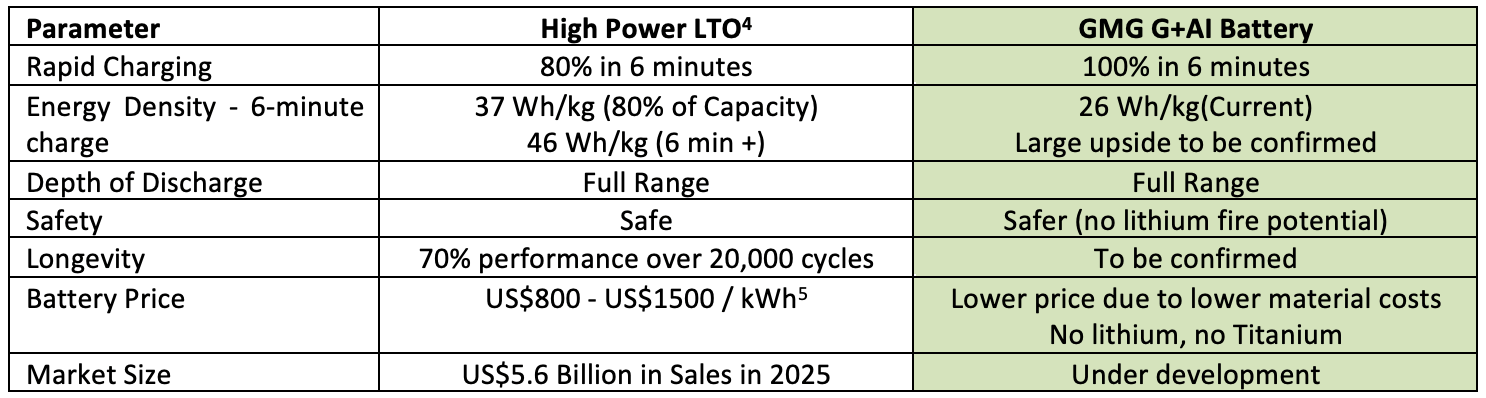
GMG compares G+AI directly to high‑power lithium titanate oxide (LTO) batteries, which today sell at a premium of up to around US$1,500/kWh and generated about US$5.6 billion in global sales in 2025. LTO is renowned for ultra‑fast charging and long cycle life but typically comes with lower energy densities in the 50–80 Wh/kg range and higher cost, limiting where it makes economic sense.
Standard NMC and LFP cells used in most EVs and stationary storage are usually designed for 0.5–1C charge rates (roughly one‑ to two‑hour charging) with only limited fast‑charge operation, and they degrade rapidly if pushed toward continuous 10C (~six‑minute) charging. GMG’s BIC‑validated data indicates that G+AI cells can tolerate repeated six‑minute charge cycles across hundreds of cycles without the severe degradation seen in lithium‑ion or sodium‑ion at similar C‑rates, thanks in part to a new chloride‑free, non‑corrosive hybrid electrolyte and a carefully engineered electrode structure.
| Metric / aspect | High‑power LTO today | GMG G+AI – current data | GMG G+AI – target (GMG guidance) |
|---|---|---|---|
| Chemistry | Lithium titanate oxide (LTO) | Graphene aluminium‑ion (no lithium) | Same |
| Typical energy density (1C) | ~50–80 Wh/kg | 58 Wh/kg at 60‑minute charge | >150 Wh/kg at 60‑minute charge |
| Energy density at ~6‑minute charge | ~37 Wh/kg at high‑power fast charge | 26 Wh/kg at 6‑minute full charge | >75 Wh/kg at 6‑minute full charge |
| Fast‑charge capability | ≈5–6 minutes to ~80% (specialised designs) | 100% in ~6 minutes (lab pouch cells) | Same or better, at higher Wh/kg |
| Cycle life focus | Very high; used in buses and swap stations | Hundreds of cycles at 6‑minute charge so far | 10,000‑cycle target |
| Thermal management | Needs cooling and fire‑hardened metal cases | Aiming for no thermal management system | Enables lighter, simpler pack designs |
| Cost positioning | Premium, up to ~US$1,500/kWh | Expected ≤ standard lithium‑ion; < LTO | Designed to undercut LTO segment |
Design choices: aluminium, graphene and plastic packs
GMG’s architecture uses aluminium foil as the substrate for both cathode and anode, avoiding copper altogether and leaning into a supply chain built around abundant aluminium plus in‑house graphene. A new chloride‑free, non‑corrosive hybrid electrolyte supports stable fast charging across many cycles and underpins a fresh patent filing that covers these cell‑level innovations.
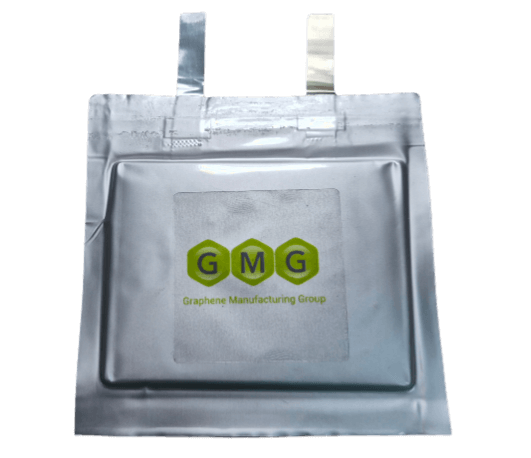
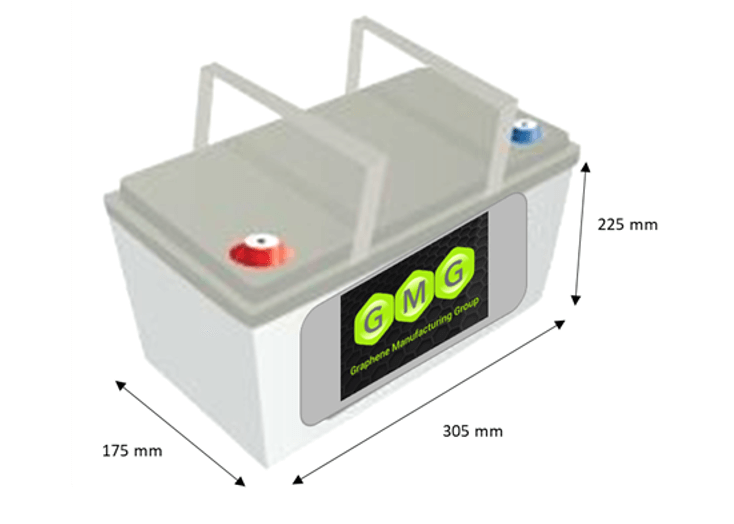
Because the company expects lower thermal‑runaway risk and no need for an active thermal management system, it plans to house G+AI pouch cells in plastic battery packs rather than metal cases, cutting cost and weight and improving effective pack‑level energy density versus comparable lithium‑ion packs. GMG has also advanced a multi‑layer pouch‑cell format and commissioned modular graphene production to support future scale‑up.
Roadmap and early applications
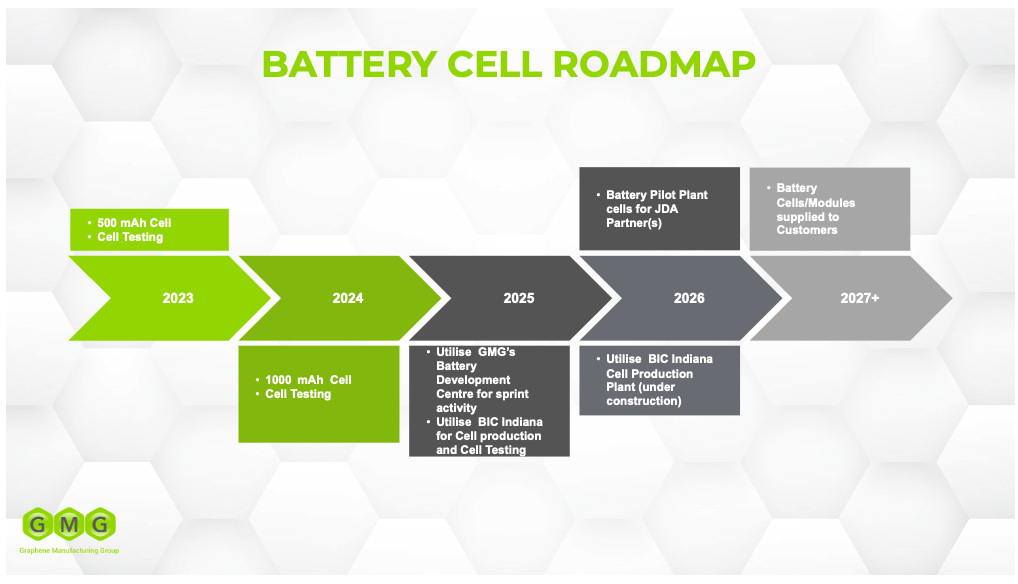
GMG’s internal roadmap keeps the technology at BTRL 4 today, with weekly “sprint” cycles to tune electrochemistry and cell architecture. With support from BIC, the company expects to climb to BTRL 7–8 as it moves into pilot‑line manufacturing using largely standard lithium‑ion production equipment, with customer cell testing targeted for 2026 and small‑scale commercial output in 2027.
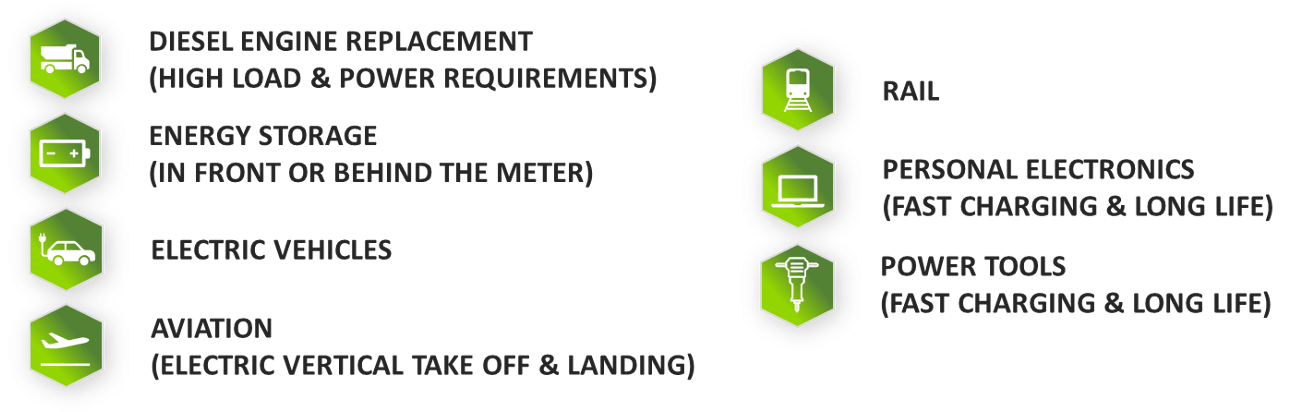
Market interest spans a range of LTO‑style use cases: commercial buses and trucks needing repeated fast opportunity charging, grid and depot storage with many shallow daily cycles, industrial robotics and forklifts, aerospace and defence, battery‑swap stations and other sub‑10 kWh packs where ultra‑fast turnaround and long life matter more than ultimate range. GMG also highlights 12 V starter‑battery replacement as a potential segment, where low‑temperature performance, storage at 0% state of charge and stable voltage behaviour could simplify battery management and reduce system cost.
What this means for BigEV readers
For BigEV’s audience of fleet operators, integrators and off‑grid builders, G+AI is not yet a drop‑in replacement for high‑energy NMC or LFP packs, but it is emerging as a serious alternative where six‑minute charging and high cycle life beat maximum kWh. If GMG achieves its energy‑density and cost targets, new classes of buses, mining trucks, depot shuttles, swap‑ready fleets and grid assets could be designed around fast, low‑risk charging instead of oversized packs and long dwell times.
BigEV News will continue tracking GMG’s sprints from lab to pilot lines so readers can see when G+AI transitions from headline to hardware they can spec into projects. In the meantime, buyers ready to deploy proven battery systems today can explore a broad range of lithium‑ion‑based vehicles, packs and backup solutions across commercial, marine, RV and off‑grid categories at BigEV.com, where new products and discounts are updated daily.