- Flex and Teradyne's expanded partnership aims to standardize automation globally, positioning Flex as both a manufacturer and a testing ground for Teradyne's robotics.
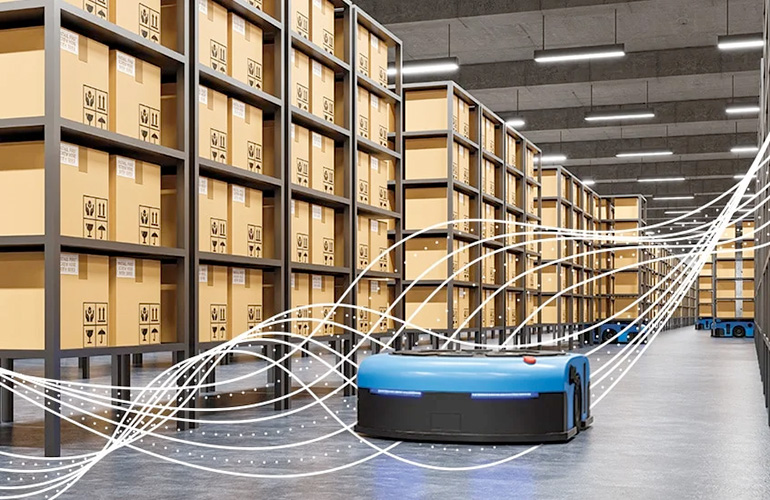
- The collaboration focuses on deploying collaborative robots and autonomous mobile robots to enhance operational efficiency across Flex's production facilities.
- This strategic shift towards integrating robotics into manufacturing processes addresses longstanding challenges in scaling intelligent automation within the industry.
The urgency of advancing automation technologies in manufacturing cannot be overstated, especially as industries grapple with increasing complexity and the demand for operational efficiency. Flex and Teradyne's expanded partnership is a significant move towards addressing these challenges by leveraging their combined expertise in robotics and manufacturing. This collaboration not only aims to enhance the deployment of physical AI but also seeks to create a seamless integration of robotics into everyday manufacturing processes, which is crucial for maintaining competitiveness in a rapidly evolving market.
Flex's role in this partnership is multifaceted; it will manufacture core robotics components while simultaneously deploying Teradyne's collaborative robots and autonomous mobile robots across its global production facilities. This dual-track strategy is designed to create a feedback loop where real-world deployment informs continuous improvement of robotics technologies. By integrating these systems into its operations, Flex is tackling the "scale problem" that has historically impeded the widespread adoption of intelligent automation, signaling a shift from merely supporting hardware to actively participating in the development and implementation of advanced robotics.
The implications of this partnership extend beyond Flex and Teradyne; it serves as a test case for the broader industrial sector. The collaboration aims to bridge the gap between experimental automation and consistent operational practices, potentially setting a new standard for how manufacturing can leverage AI-driven robotics. As both companies work to solve challenges related to power, heat, and scalability, they are not just enhancing their own capabilities but also paving the way for other manufacturers to adopt similar technologies with greater confidence.
Flex's extensive experience in managing complex manufacturing environments, combined with Teradyne's advanced robotics technologies, positions them as leaders in the push for intelligent automation. The partnership reflects a natural evolution of their long-standing relationship, which has historically focused on semiconductor equipment. As they now turn their attention to robotics, they are addressing the rising complexity and scale requirements that modern factories demand. This strategic pivot is not just about improving productivity; it is about creating resilient manufacturing systems capable of adapting to the challenges of the future.
As the manufacturing landscape continues to evolve, the collaboration between Flex and Teradyne represents a critical step towards realizing the full potential of physical AI in global production environments. By fostering a partnership that emphasizes innovation and operational excellence, they are setting the stage for a new era of intelligent automation that could redefine industry standards and practices. The success of this initiative will likely influence how other manufacturers approach automation, making it a pivotal moment in the ongoing transformation of the manufacturing sector.