
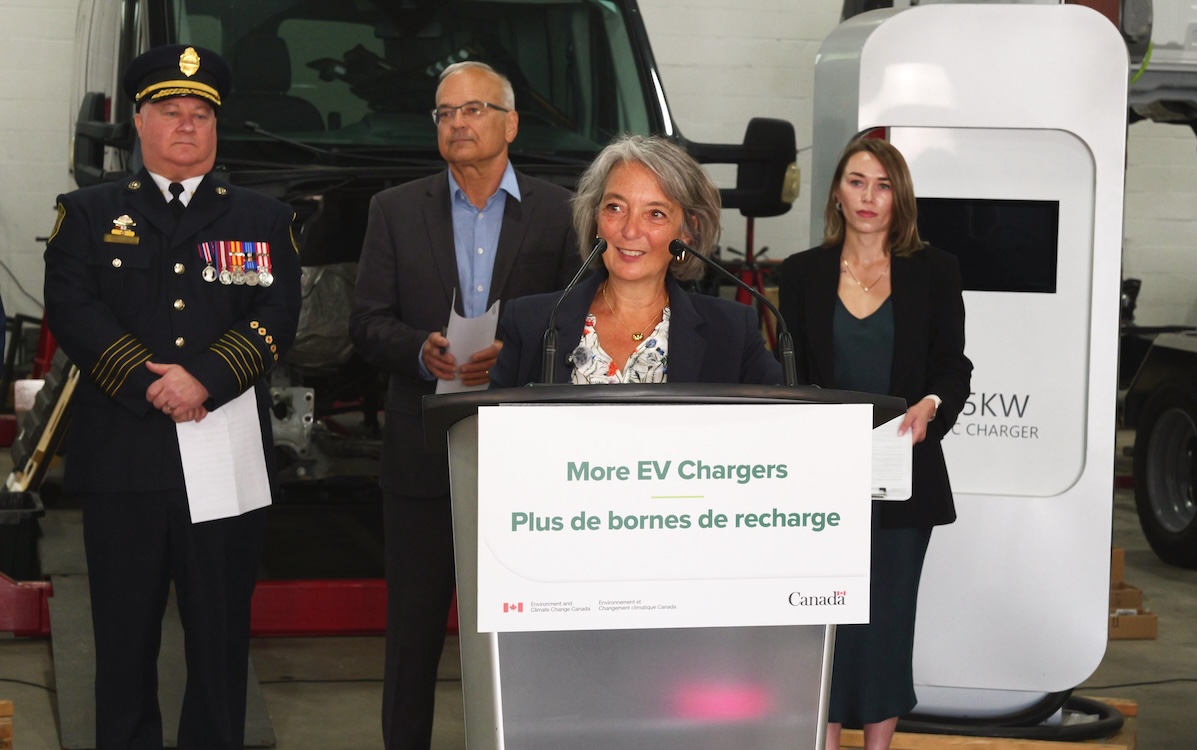
- The Canadian government has allocated nearly $90 million in July to bolster the electric vehicle (EV) supply chain, infrastructure, and grid projects.
- This funding is part of a broader strategy to enhance the country's EV ecosystem and accelerate the transition to sustainable transportation.
- The investments signal a commitment to not only support current EV initiatives but also to lay the groundwork for future advancements in clean technology.
The recent infusion of nearly $90 million by the Canadian government into electric vehicle investments is a critical move that underscores the urgency of transitioning to sustainable transportation solutions. As the global demand for EVs continues to rise, this funding is not merely a financial gesture; it represents a strategic initiative to fortify the entire EV ecosystem within Canada. The investments are aimed at enhancing the supply chain, improving infrastructure, and upgrading grid projects, all of which are essential components for a robust EV market. This proactive approach is crucial as it positions Canada to meet both domestic and international demands for cleaner transportation options.
The funding will be directed towards various projects that are pivotal in establishing a comprehensive EV infrastructure. By focusing on the supply chain, the government is addressing one of the key challenges in the EV sector: ensuring that the necessary materials and components are readily available for manufacturers. This is particularly important as the industry grapples with supply chain disruptions that have plagued many sectors in recent years. Additionally, investments in infrastructure, such as charging stations and grid enhancements, are vital for encouraging consumer adoption of EVs. Without a reliable and accessible charging network, the transition to electric vehicles could stall, limiting the potential benefits of this shift.
Moreover, the funding reflects a broader commitment to clean technology and sustainable energy systems. By investing in grid projects, the government is not only supporting the current needs of the EV market but also preparing for future advancements in energy management and distribution. This foresight is essential as the integration of renewable energy sources becomes increasingly important in reducing carbon emissions and achieving climate goals. The investments signal a recognition that a sustainable transportation future is interconnected with advancements in energy infrastructure.
In summary, the nearly $90 million investment in EV initiatives is a significant step towards enhancing Canada's position in the global EV market. It demonstrates a clear commitment to building a sustainable transportation ecosystem that supports both current and future needs. As the government continues to prioritize these investments, it will be crucial to monitor the outcomes and impacts on the EV landscape, ensuring that the funding translates into tangible advancements in technology, infrastructure, and consumer adoption.







