- A former Google engineer was sentenced to nearly one year in prison for stealing proprietary AI-related trade secrets, highlighting the ongoing tensions between the U.S. and China in technology sectors.
- The judge emphasized the systematic nature of the theft, which included uploading over 500 confidential files to a personal cloud account, indicating a serious breach of trust in the tech industry.
- Ding's actions and subsequent career moves raise significant concerns about intellectual property security and the implications for U.S. companies operating in a global market.
The sentencing of Linwei Ding, a former Google software engineer, underscores a critical moment in the ongoing battle over intellectual property and technological supremacy between the U.S. and China. As the tech landscape becomes increasingly competitive, incidents like Ding's theft of proprietary information serve as stark reminders of the vulnerabilities that exist within major corporations. The implications of this case extend beyond Ding's personal consequences; they reflect broader concerns regarding national security and the safeguarding of technological advancements that are pivotal to economic growth and innovation.
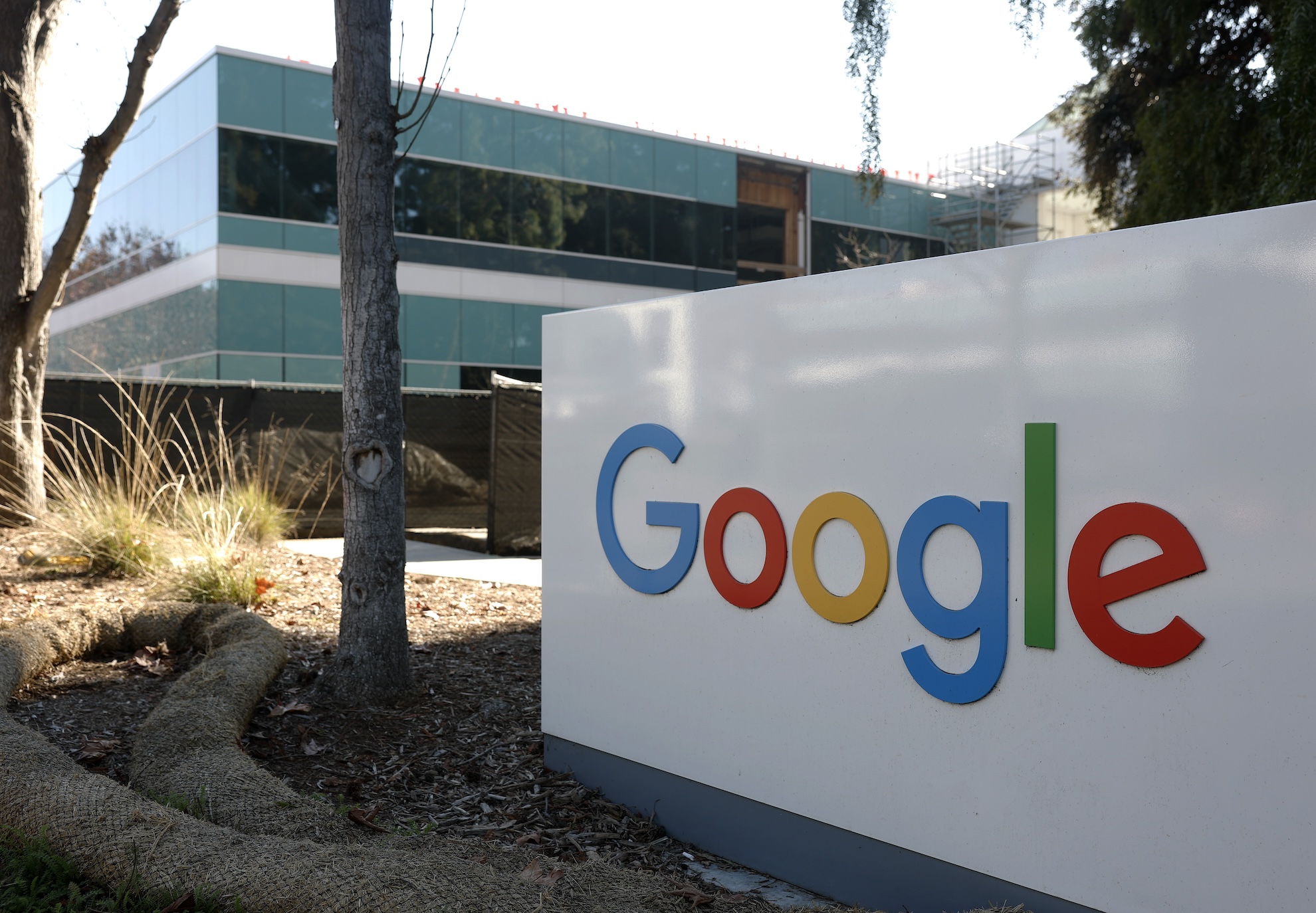
Ding's conviction for stealing trade secrets related to Google's artificial intelligence initiatives was the result of a jury's findings that he had engaged in a deliberate effort to benefit Chinese interests. Over the course of a year, he uploaded more than 500 confidential files to a personal Google Cloud account, which included sensitive information about Google's hardware infrastructure and software for supercomputing data centers. This systematic approach to theft, as characterized by U.S. District Judge Vince Chhabria, reveals a troubling trend where employees exploit their positions to access and misappropriate valuable corporate assets.
The judge's decision to vacate the espionage conviction, citing insufficient evidence that Ding intended to aid the Chinese government, illustrates the complexities of proving intent in such cases. However, the remaining convictions still carry significant weight, particularly given Ding's subsequent actions, including his involvement with Chinese tech companies and the establishment of his own firm, Zhisuan, which aimed to replicate Google's computational power platform. Such developments raise alarms about the potential for stolen trade secrets to be leveraged in ways that could enhance foreign competitors at the expense of U.S. firms.
In light of Ding's actions, the sentencing serves as a cautionary tale for the tech industry, emphasizing the need for robust security measures to protect intellectual property. The judge's decision to impose a nearly one-year prison sentence, along with financial penalties and supervised release, reflects the seriousness of the offense and the necessity for deterrence. As the tech sector continues to navigate the challenges posed by global competition, maintaining the integrity of proprietary information will be crucial in safeguarding innovation and ensuring that companies can operate without the looming threat of espionage.