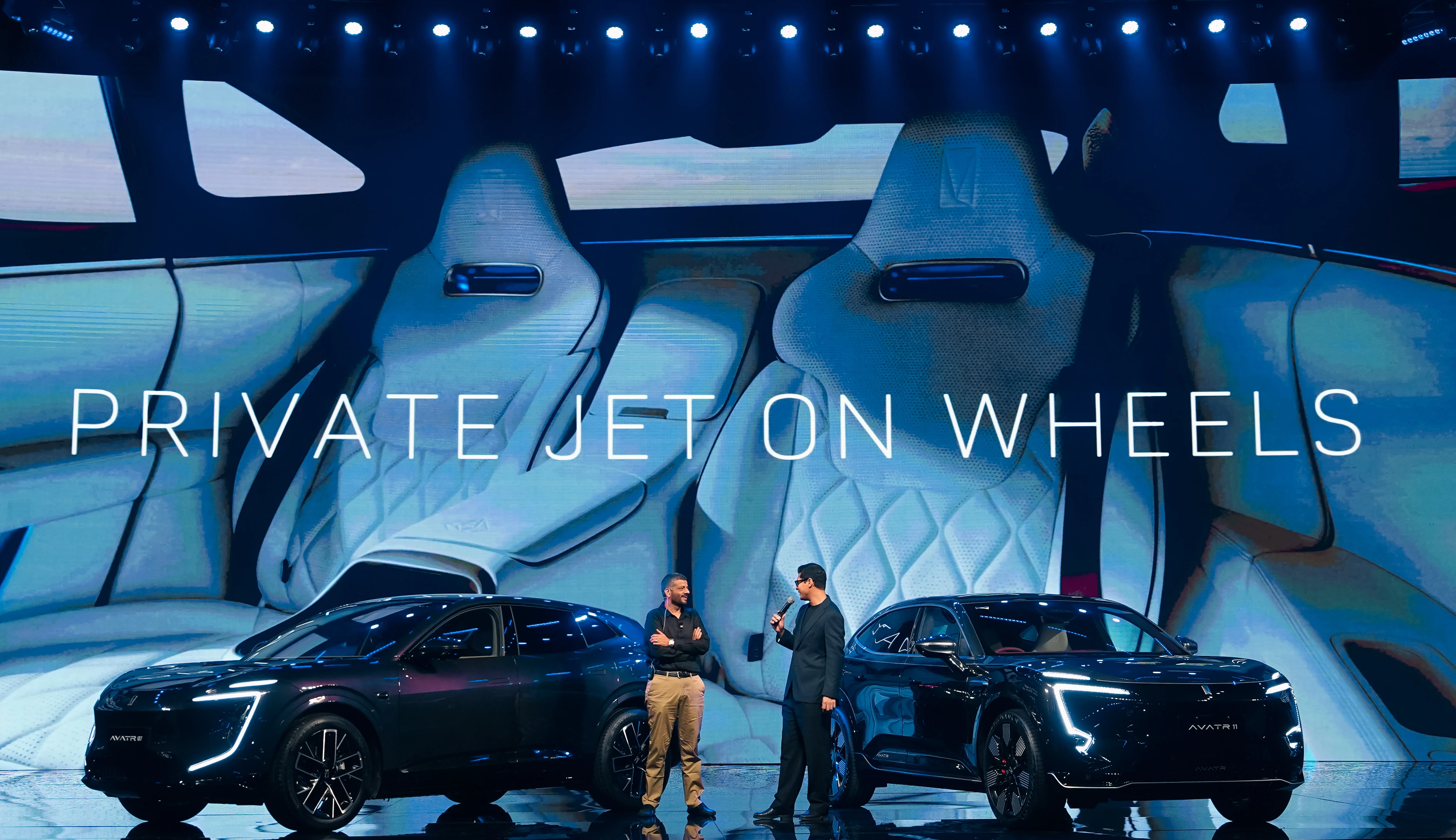
- Electric vehicle insurance in India surged by 670% in FY26, reflecting a significant shift towards sustainable mobility.
- Non-metro cities now represent 77% of the insured car market, highlighting the growing digital adoption and awareness of motor insurance in these regions.
- The analysis indicates a maturation of India's motor insurance market, with increasing demand for customized insurance products and comprehensive coverage options.
The dramatic rise in electric vehicle (EV) insurance, which skyrocketed by 670% in FY26, underscores a pivotal moment in India's automotive landscape. This surge is not merely a reflection of increased EV adoption but also signals a broader transformation in consumer attitudes towards sustainable mobility and insurance products tailored for electric vehicles. As the market evolves, the implications for insurers and consumers alike are profound, particularly as the growth is primarily driven by non-metro regions, which are increasingly becoming the backbone of the insured car market.
The analysis by Policybazaar reveals that the overall motor insurance market in India experienced an 8% year-on-year growth, with two-wheeler and commercial vehicle insurance also showing robust increases of 11% and 13%, respectively. However, the standout performer is clearly EV insurance, which has emerged as the fastest-growing segment. This growth correlates with a rising interest in electric mobility solutions and the necessity for insurance products that cater specifically to the unique needs of EV owners. The report highlights that Tier-2 and Tier-3 cities now account for 77% of the insured car market, a notable increase from 75% the previous year, indicating a shift in market dynamics as digital adoption spreads beyond major urban centers.
Regionally, Telangana leads the charge with a remarkable 30% increase in insured cars, while Maharashtra remains the epicenter for EV insurance, contributing 8% of all insured EVs in India. This regional disparity emphasizes the need for insurers to tailor their offerings to local markets, particularly as the demand for EVs grows in areas previously considered less likely to adopt such technologies. The continued dominance of petrol vehicles, which make up 68.3% of the insured vehicle base, alongside the rising presence of diesel and CNG vehicles, further illustrates the transitional phase of India's mobility market.
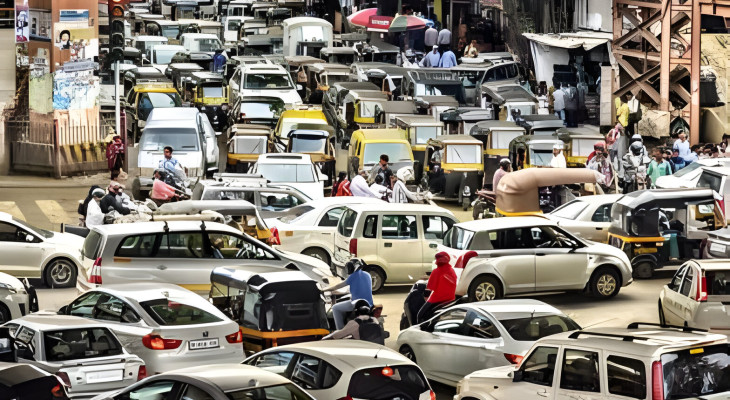
The report also sheds light on the most common causes of motor insurance claims, with minor collision-related damage topping the list, particularly in congested urban environments. This insight is crucial for insurers as they develop products that address the specific risks associated with driving in these conditions. Additionally, the popularity of add-ons such as Roadside Assistance and Zero Depreciation cover indicates a growing consumer preference for comprehensive protection, which insurers must capitalize on to meet evolving customer expectations.
As Paras Pasricha, Head of Motor Insurance, notes, the Indian motor insurance market is entering a more mature phase characterized by increased consumer awareness and demand for customized solutions. The focus on modular, digitally enabled, and affordability-led protection solutions will be essential as vehicle ownership expands into Tier-2 and Tier-3 cities and as new mobility formats gain traction. This evolving landscape presents both challenges and opportunities for insurers, who must adapt to the changing needs of a diverse and expanding customer base.