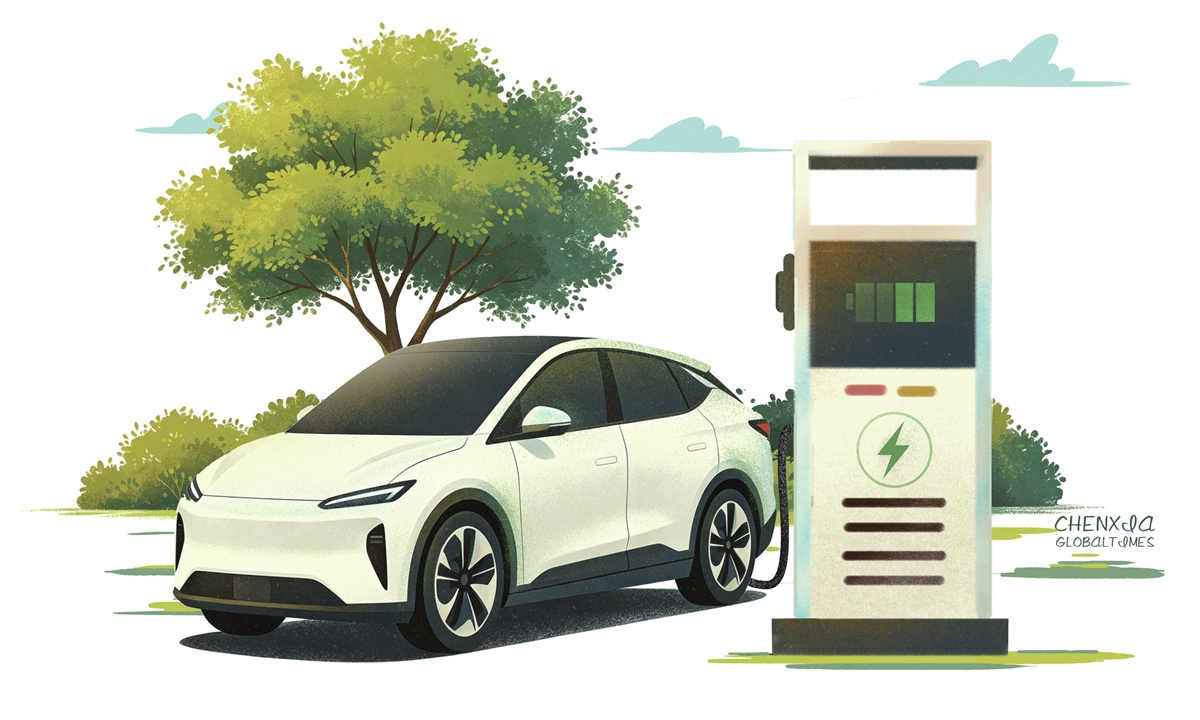
- The rapid expansion of EV charging infrastructure in China, now totaling nearly 22 million facilities, underscores the country's commitment to fostering a robust electric vehicle market.
- This infrastructure growth is critical not only for domestic consumption but also positions China as a leader in global EV adoption and technology.
- Cooperation among stakeholders in the EV ecosystem is essential to ensure that the burgeoning infrastructure meets consumer needs and drives market growth.
The urgency of enhancing electric vehicle (EV) infrastructure cannot be overstated, especially as the global shift towards sustainable transportation accelerates. China's recent report indicating that the number of EV charging facilities has surged to 21.955 million by the end of April highlights a pivotal moment in the country's EV landscape. This impressive figure not only reflects China's manufacturing prowess but also signals a strategic move to cultivate a larger consumer market for electric vehicles. As the world increasingly prioritizes green technologies, the implications of this infrastructure expansion extend far beyond national borders, potentially influencing global EV trends and standards.
The substantial growth in charging facilities is a direct response to the rising demand for electric vehicles within China. As consumers become more environmentally conscious and seek alternatives to traditional gasoline-powered vehicles, the availability of charging stations becomes a critical factor in their purchasing decisions. The Chinese government’s proactive stance in supporting EV infrastructure development is indicative of its broader strategy to lead in the global EV market. By ensuring that charging facilities are widely accessible, China is not only catering to current consumer needs but also laying the groundwork for future growth in EV adoption.
This infrastructure expansion is not merely about numbers; it represents a concerted effort to create a seamless ecosystem for electric vehicles. Stakeholder cooperation is essential in this context, as various players—from government bodies to private enterprises—must work together to ensure that the infrastructure is not only extensive but also efficient and user-friendly. The integration of technology, such as smart charging solutions and payment systems, will further enhance the consumer experience, making EV ownership more appealing. The collaborative approach will also help address potential challenges, such as grid capacity and energy supply, which are critical for sustaining the growing demand for electric vehicles.
Moreover, the implications of this infrastructure development extend to international markets as well. As China continues to enhance its EV ecosystem, it positions itself as a formidable player in the global EV industry. The advancements in charging technology and infrastructure could set benchmarks that other countries may aspire to achieve. This could lead to increased collaboration and competition on a global scale, ultimately benefiting consumers worldwide through improved technology and lower costs. The focus on infrastructure is not just a domestic concern; it is a strategic move that could redefine China's role in the global electric vehicle market.