- India's private transport sector is poised for a significant shift towards electric buses and trucks, driven by targeted financing strategies.
- The meeting highlighted the critical role of credit support and subsidies in overcoming financial barriers to EV adoption.
- Stakeholders are increasingly recognizing the need for collaborative efforts to accelerate the transition to electric mobility.
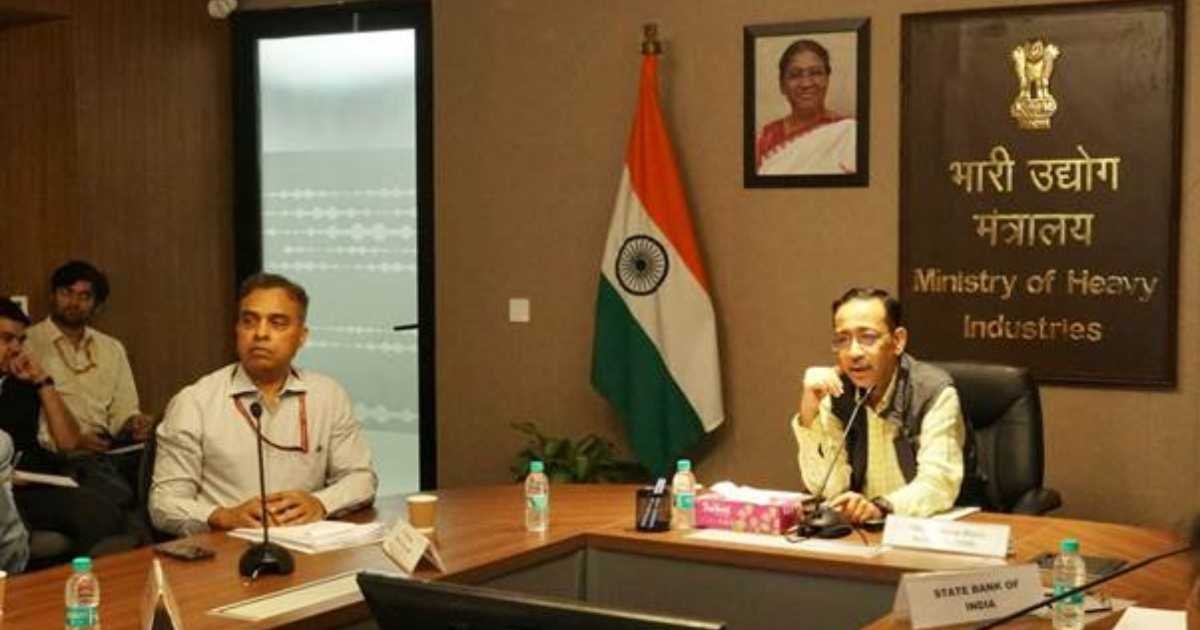
The urgency surrounding the adoption of electric vehicles (EVs) in India’s private transport sector is underscored by a recent financing meeting that focused specifically on electric buses and trucks. As the country grapples with pollution and seeks sustainable transportation solutions, the discussions emphasized the necessity of financial mechanisms that can facilitate this transition. The meeting served as a platform for stakeholders to converge on strategies that could effectively lower the barriers to entry for electric mobility, particularly in the commercial vehicle segment.
During the meeting, the emphasis was placed on the importance of credit support and subsidies as pivotal tools to stimulate the adoption of electric buses and trucks. These financial incentives are crucial in addressing the high upfront costs associated with EVs, which have historically deterred private sector investment. By providing a structured financial framework, stakeholders aim to create a more favorable environment for fleet operators to transition to electric vehicles, thereby enhancing the overall viability of electric mobility in urban settings.
The discussions also highlighted the collaborative nature of this initiative, with various stakeholders, including government bodies, financial institutions, and private sector players, recognizing the need for a unified approach. This collaboration is essential not only for securing the necessary funding but also for ensuring that the infrastructure to support electric vehicles is developed in tandem with their adoption. The meeting underscored that without a cohesive strategy that includes all parties, the goal of widespread EV adoption could remain elusive.
As the private transport sector gears up for this transition, the implications of these financing strategies extend beyond mere vehicle adoption; they signal a broader commitment to sustainable practices within the industry. The focus on electric buses and trucks is particularly significant given their potential to reduce emissions and improve air quality in urban areas. This initiative aligns with global trends towards electrification and positions India as a proactive player in the clean technology space, potentially attracting further investment and innovation in the sector.