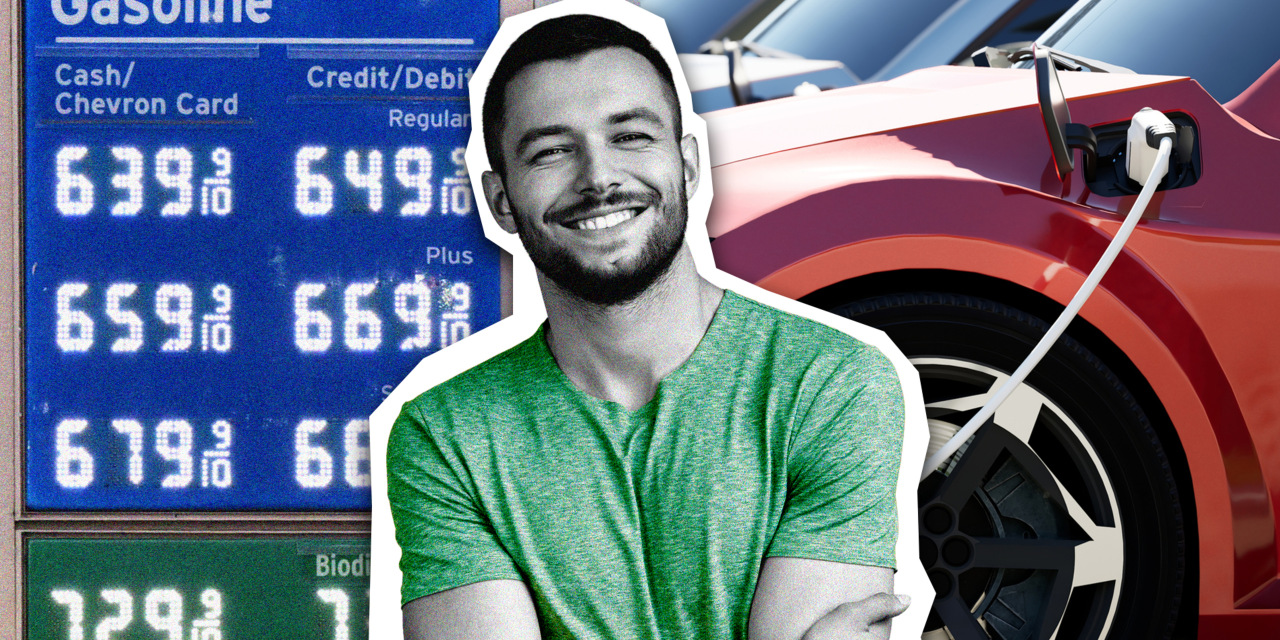
- Electric vehicle (EV) drivers are experiencing significant cost savings as gasoline prices rise due to geopolitical tensions, particularly the war in Iran.
- The current surge in fuel prices highlights the growing economic advantages of EV ownership, reinforcing the shift towards electrification in transportation.
- This situation may accelerate the transition to EVs, as consumers seek alternatives to volatile fossil fuel markets.
The current geopolitical landscape, particularly the ongoing war in Iran, has created a ripple effect in global oil supplies, leading to an increase in gasoline prices that now hover around $4 per gallon. This scenario presents a pivotal moment for electric vehicle (EV) drivers, who are not only insulated from these rising costs but are also enjoying the benefits of their investment in cleaner technology. As traditional fuel prices escalate, the financial advantages of owning an EV become increasingly pronounced, allowing drivers to metaphorically take a victory lap past gas stations burdened with high fuel costs.
The rise in gasoline prices is not merely a short-term fluctuation; it underscores a broader trend of instability in fossil fuel markets, which can be attributed to geopolitical conflicts and supply chain disruptions. For EV owners, this volatility serves as a stark reminder of the unpredictability associated with fossil fuel dependency. In contrast, the cost of electricity for charging EVs remains relatively stable, further enhancing the appeal of electric vehicles as a sustainable and economically viable alternative to gasoline-powered cars.
This shift in consumer behavior is likely to accelerate the transition towards electrification in the transportation sector. As more drivers become aware of the financial implications of rising fuel prices, the demand for EVs is expected to increase. Automakers are already responding to this trend by ramping up production and expanding their electric offerings, which aligns with both consumer preferences and regulatory pressures aimed at reducing carbon emissions.
Moreover, the current situation may catalyze further investments in EV infrastructure, such as charging stations, which are essential for supporting the growing number of electric vehicles on the road. As the market adapts to these changes, the long-term implications for the automotive industry and energy systems could be profound, potentially leading to a significant reduction in fossil fuel consumption and a more sustainable transportation ecosystem.