
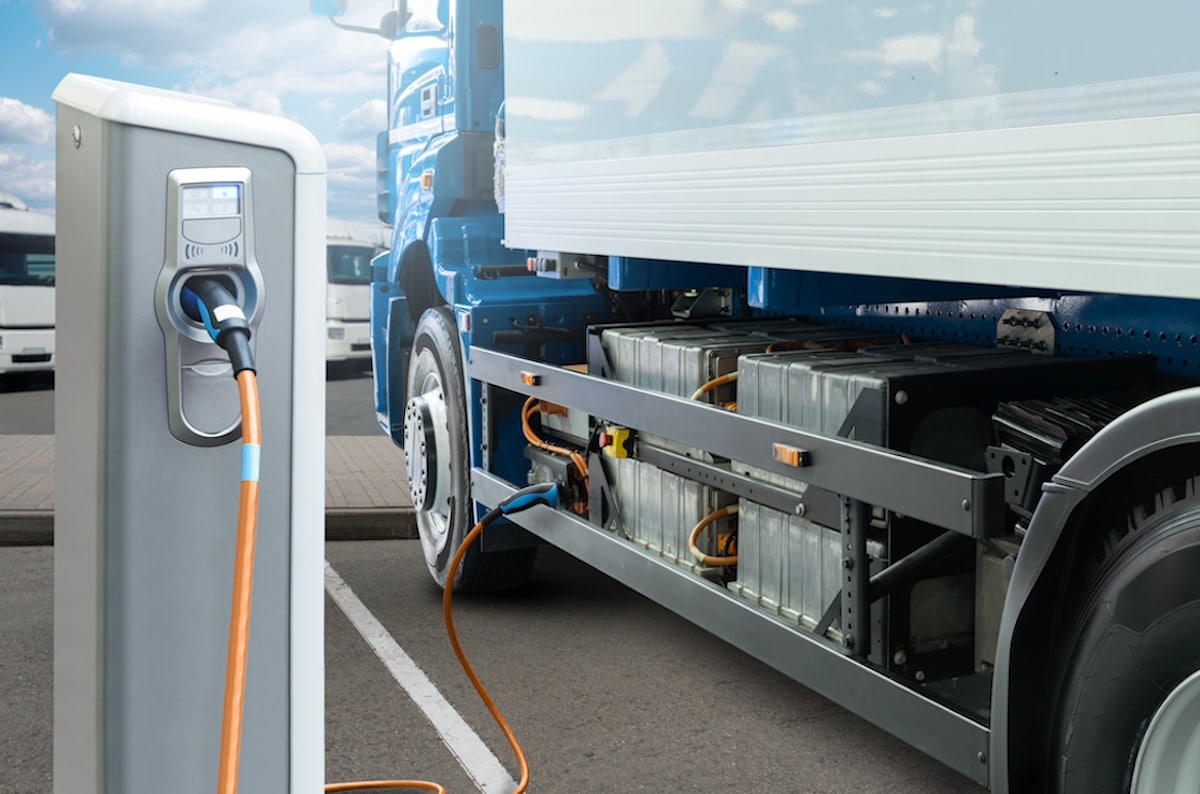
- Australia's EV charging sector is urging immediate policy reforms to address infrastructure delays that threaten fleet electrification.
- Without swift action, the freight industry may continue to face instability due to fluctuating fuel prices.
- The current bottlenecks in charging infrastructure could impede the transition to electric vehicles, undermining sustainability goals.
The urgency of addressing EV charging bottlenecks cannot be overstated, particularly as Australia pushes towards a more sustainable transport future. The call for policy reform from the EV charging sector highlights a critical juncture where infrastructure development is lagging behind the rapid adoption of electric vehicles. This situation poses a significant risk not only to the electrification of transport but also to the broader freight industry, which remains vulnerable to the volatility of fuel prices. As the world increasingly shifts towards greener alternatives, the need for a robust charging network becomes paramount to ensure that fleets can operate efficiently and sustainably.
Recent warnings from industry stakeholders indicate that delays in the rollout of EV charging infrastructure could severely hinder the electrification efforts of fleets across Australia. The current pace of infrastructure development is insufficient to meet the growing demand for electric vehicles, which could lead to a scenario where fleets are unable to charge effectively, thereby limiting their operational capabilities. This bottleneck not only threatens the viability of electric fleets but also jeopardizes the environmental benefits associated with transitioning away from fossil fuels.
The implications of these infrastructure challenges extend beyond mere operational concerns; they also reflect a broader issue of energy security within the freight sector. As fuel prices remain unpredictable, the reliance on traditional fuel sources becomes increasingly precarious. The electrification of transport is seen as a pathway to mitigate these risks, but without adequate charging facilities, the transition may stall, leaving the industry exposed to ongoing fuel volatility. This situation underscores the necessity for coordinated policy efforts that prioritize the development of a comprehensive charging network.
In conclusion, the current state of EV charging infrastructure in Australia represents a critical barrier to achieving fleet electrification. The urgent calls for policy reform signal a recognition of the need for immediate action to facilitate the necessary infrastructure development. As stakeholders in the EV sector advocate for these changes, it is essential that policymakers respond effectively to ensure that the transition to electric vehicles can proceed without further delays, ultimately supporting both the freight industry's stability and the nation's sustainability goals.







