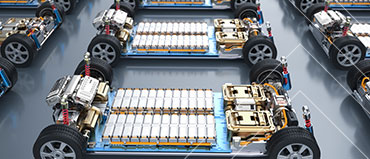
- The EV assembly market is set to expand significantly, with projections indicating growth from USD 190.11 billion in 2026 to USD 291.39 billion by 2035.
- This growth trajectory represents a compound annual growth rate (CAGR) of 4.9%, underscoring the increasing demand for electric vehicles.
- The anticipated market expansion highlights the critical role of assembly processes in meeting the evolving needs of the automotive industry.
The projected growth of the EV assembly market is particularly significant as it underscores the accelerating shift towards electric vehicles, driven by both consumer demand and regulatory pressures. As automakers pivot to electrification, the assembly processes that support this transition will become increasingly vital. The forecasted increase from USD 190.11 billion in 2026 to USD 291.39 billion by 2035, with a CAGR of 4.9%, signals a robust market environment that stakeholders must navigate carefully to capitalize on emerging opportunities.
This growth is not merely a reflection of rising sales figures; it also indicates a broader transformation within the automotive sector. As manufacturers ramp up production capabilities to meet the surging demand for electric vehicles, the efficiency and innovation of assembly processes will play a crucial role. The assembly market will need to adapt to new technologies and methodologies that enhance productivity while maintaining quality standards, which are paramount in the competitive landscape of EVs.
Moreover, the implications of this growth extend beyond the immediate financial metrics. The EV assembly market's expansion will likely influence supply chain dynamics, necessitating closer collaboration among component suppliers, manufacturers, and logistics providers. As the market evolves, stakeholders will need to reassess their strategies to ensure they are aligned with the trends shaping the future of mobility, including sustainability and technological advancements.
In conclusion, the anticipated growth of the EV assembly market from 2026 to 2035 reflects a critical juncture for the automotive industry. As the sector embraces electrification, the assembly processes that underpin vehicle production will require innovation and adaptation. This presents both challenges and opportunities for industry players, who must remain agile to thrive in an increasingly competitive and rapidly changing market landscape.