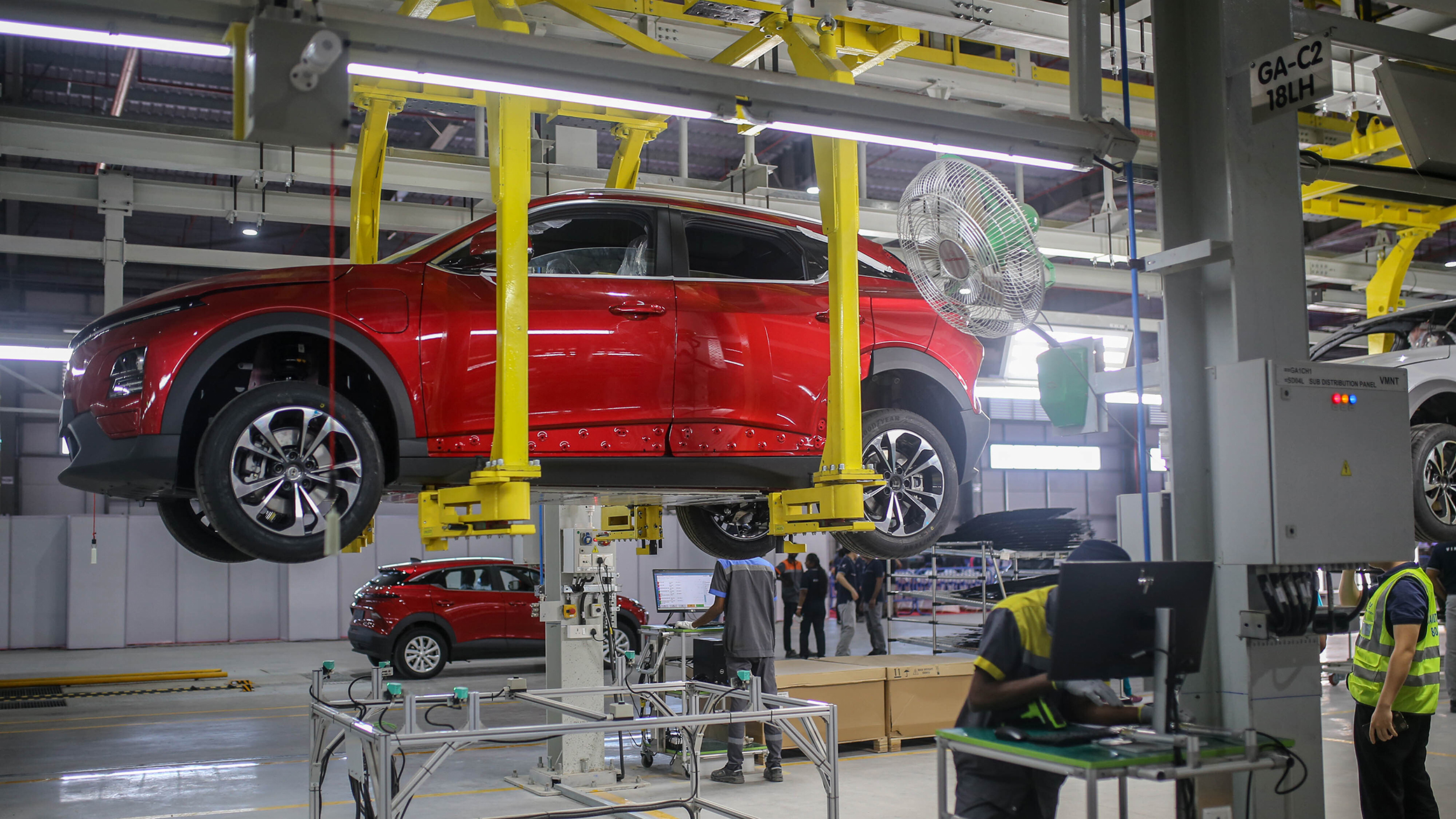
- India's electric vehicle (EV) ambitions are intricately linked to its trade agreements, which are evolving towards a model of "structured openness."
- Despite progress, significant gaps remain in access to critical minerals and supply chains, necessitating a dual approach to bolster domestic manufacturing.
- The current strategy underscores the urgency for India to enhance its self-sufficiency in the EV sector while navigating global trade dynamics.
The urgency of India's electric vehicle ambitions cannot be overstated, as the nation seeks to position itself as a leader in the global EV market. The recent shift towards a trade strategy characterized by "structured openness" is a pivotal development, reflecting a commitment to engage with international partners while simultaneously addressing domestic manufacturing needs. This dual focus is essential for India to not only attract foreign investment but also to mitigate vulnerabilities in its supply chains, particularly concerning critical minerals that are vital for EV production.
Recent trade agreements indicate a strategic pivot aimed at enhancing collaboration with key global players, which is crucial for accessing the technologies and resources necessary for EV manufacturing. However, the gaps in securing reliable access to critical minerals remain a significant hurdle. These minerals, such as lithium and cobalt, are essential for battery production, and India's current dependence on imports poses a risk to its long-term EV goals. A sharper, two-track approach is required: one that fosters international partnerships while simultaneously ramping up domestic resource extraction and processing capabilities.
The implications of this trade strategy extend beyond mere economic considerations; they touch on national security and technological sovereignty. By reducing reliance on foreign sources for critical minerals, India can enhance its resilience against global supply chain disruptions. This is particularly relevant in the context of geopolitical tensions that can affect trade flows. Strengthening domestic manufacturing not only supports the EV sector but also creates jobs and stimulates economic growth, aligning with broader national objectives.
In conclusion, while India's trade agreements signal a positive shift towards a more open and collaborative approach, the challenges of securing critical mineral access and developing robust supply chains cannot be overlooked. The path forward requires a balanced strategy that prioritizes both international engagement and domestic capability building. As India navigates this complex landscape, the success of its EV ambitions will hinge on its ability to effectively implement this dual approach, ensuring that it remains competitive in the rapidly evolving global EV market.