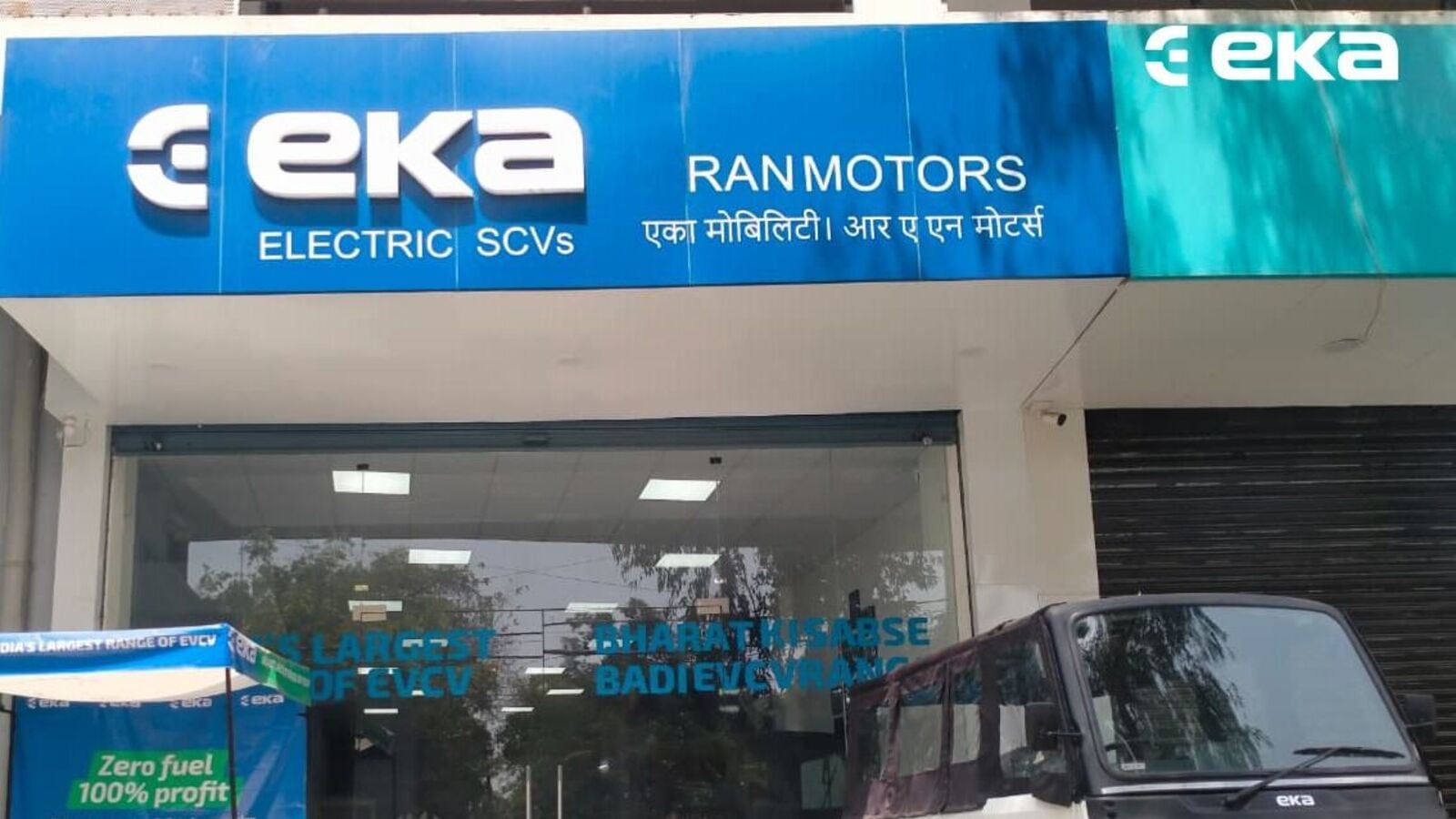
- EKA Mobility is set to enhance its dealer network in India by introducing over 30 new outlets, a strategic move aimed at overcoming barriers to electric vehicle (EV) adoption.
- This expansion reflects a growing recognition of the importance of localized support and accessibility in the last-mile EV market.
- The initiative is expected to significantly contribute to the acceleration of EV adoption in India, particularly in urban areas where last-mile connectivity is crucial.
The urgency of EKA Mobility's initiative to expand its dealer network cannot be overstated, especially in the context of India's rapidly evolving electric vehicle landscape. As the country strives to meet ambitious sustainability goals, the need for robust infrastructure and support systems for EVs becomes increasingly critical. By adding over 30 new outlets, EKA Mobility is not just increasing its footprint; it is directly addressing the challenges that have historically hindered EV adoption, such as limited access to service and support for potential buyers.
This expansion is a calculated response to the growing demand for last-mile connectivity solutions in urban centers, where the adoption of electric vehicles is essential for reducing emissions and improving air quality. EKA Mobility's strategy underscores the recognition that localized dealer support can play a pivotal role in easing consumer concerns about EV ownership, particularly regarding maintenance and service availability. By establishing a more extensive network, the company aims to build consumer confidence and facilitate a smoother transition to electric mobility.
The implications of this move are significant. As EKA Mobility enhances its presence in key markets, it positions itself as a leader in the last-mile EV segment, potentially influencing competitors to follow suit. This could lead to a more competitive environment that fosters innovation and further investment in EV infrastructure. Moreover, the expansion aligns with broader governmental initiatives aimed at promoting electric mobility, suggesting that EKA Mobility is strategically aligning itself with national priorities, which could yield additional support and incentives.
Ultimately, EKA Mobility's decision to expand its dealer network is not merely a business strategy; it is a proactive approach to shaping the future of transportation in India. By addressing the barriers to EV adoption head-on, the company is not only enhancing its market position but also contributing to the larger goal of sustainable urban mobility. This initiative could serve as a model for other players in the industry, demonstrating the critical role that localized support and accessibility play in driving the adoption of electric vehicles.