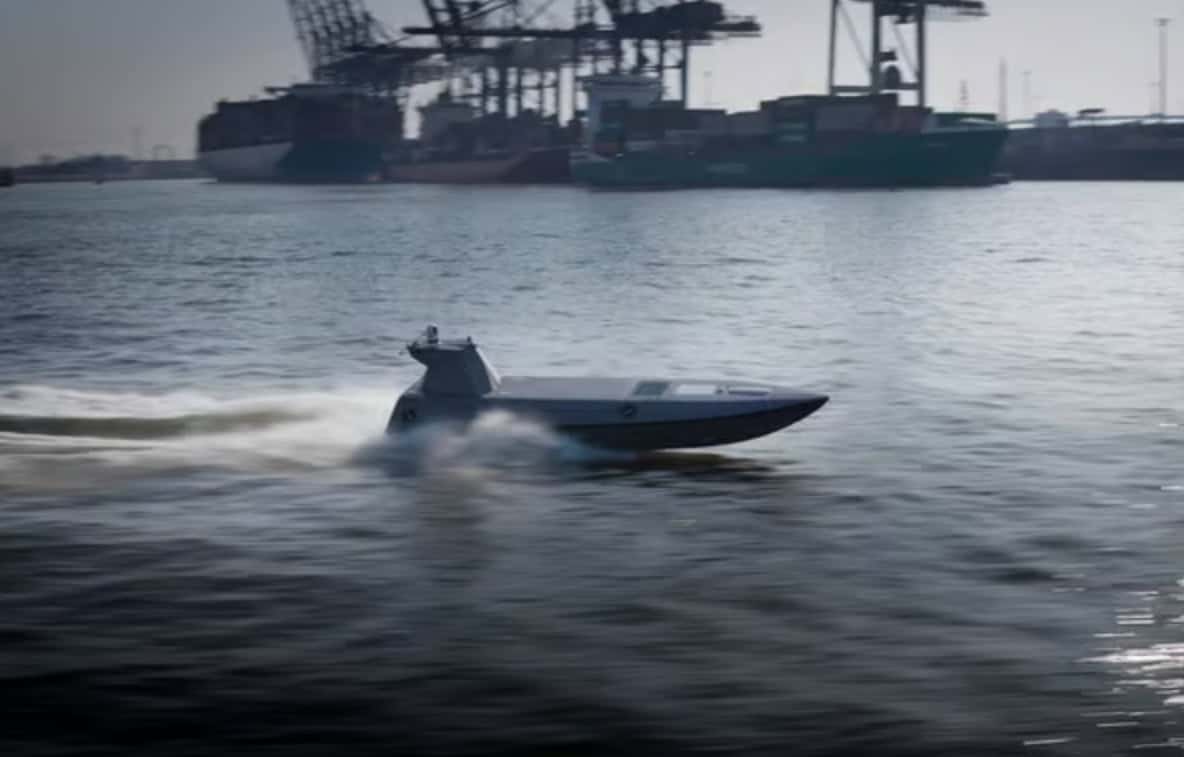
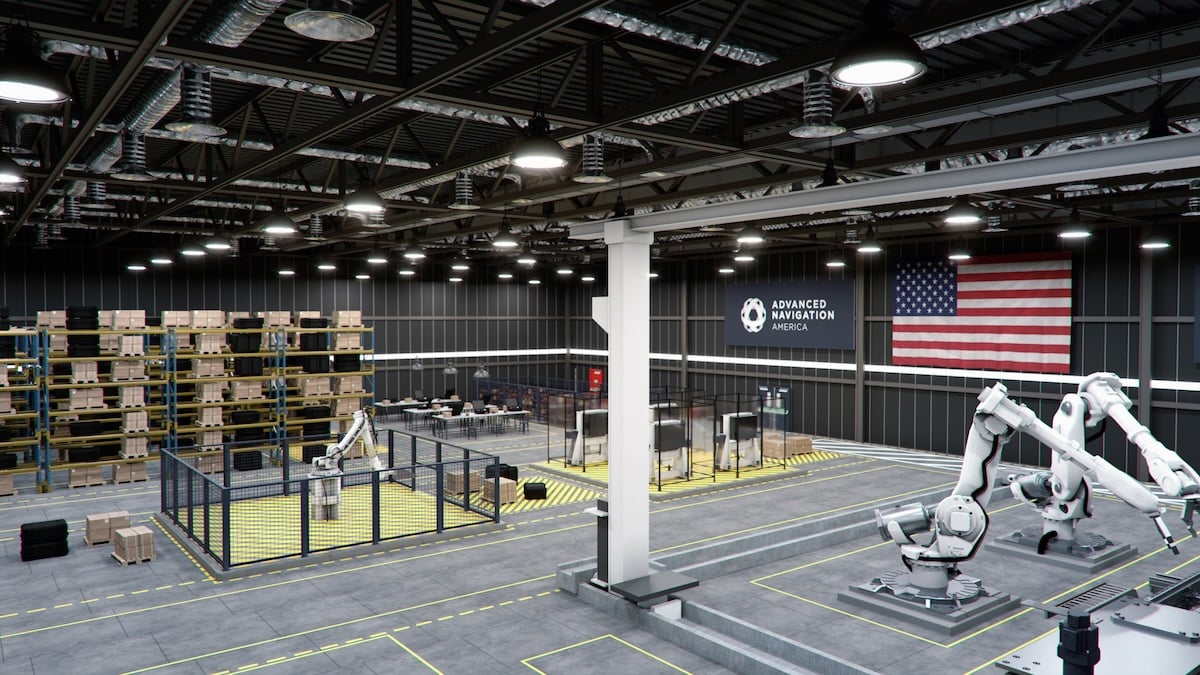
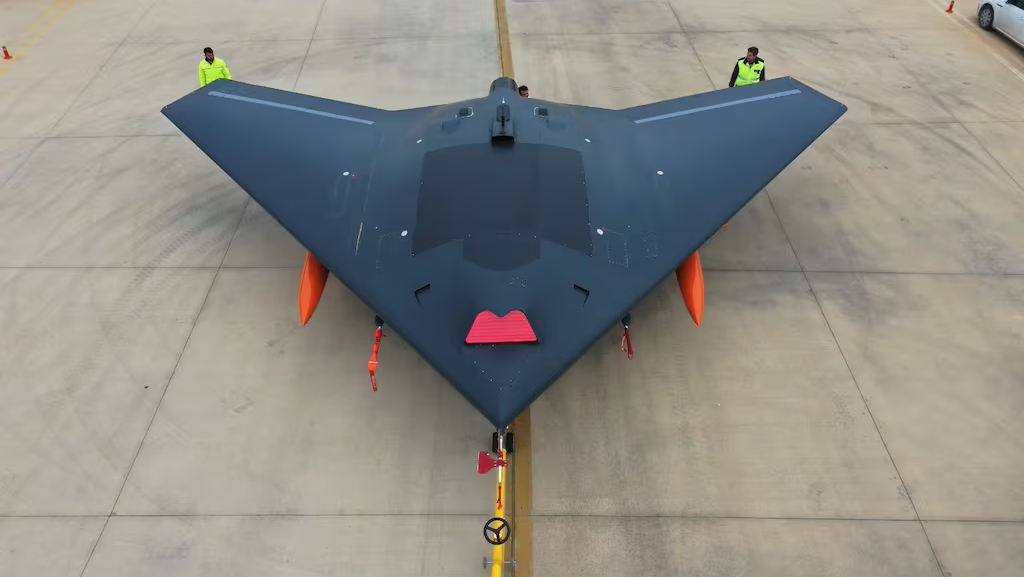
- DARPA is seeking innovative concepts for autonomous drone swarms and containerized systems to support their deployment and recovery, aiming for a self-sustaining operational model.
- The initiative is driven by recent military successes using drone swarms, highlighting the need for advanced capabilities in contested environments.
- As the U.S. military pushes for increased drone deployment, DARPA's efforts align with broader strategies to enhance operational flexibility and reduce manpower requirements.
The urgency of DARPA's call for concepts surrounding autonomous drone swarms and their containerized support systems underscores a pivotal moment in military strategy. As geopolitical tensions escalate and the nature of warfare evolves, the ability to deploy and manage large numbers of drones autonomously becomes increasingly critical. The agency's vision of a self-sustaining "autonomous constellation" capable of operating up to 500 drones simultaneously reflects a significant shift towards leveraging advanced technology for operational superiority in contested areas, where traditional military assets may be vulnerable.
Recent military operations, such as Ukraine's covert drone assaults on Russian airbases and Israel's near-field attacks, have demonstrated the effectiveness of drone swarms in achieving strategic objectives. These examples serve as a backdrop for DARPA's initiative, which seeks to enhance the capabilities of drone systems beyond current limitations. The agency's updated contracting notice emphasizes the need for drones that can operate autonomously, manage their own logistics, and sustain operations over extended periods without human intervention. This shift is not merely about increasing numbers; it is about creating a new paradigm for drone warfare that prioritizes endurance, versatility, and operational availability.
The technical requirements outlined by DARPA indicate a desire for innovative solutions that can overcome existing limitations in drone technology, particularly regarding endurance and payload capacity. The agency is looking for containerized systems that not only launch drones but also manage their recovery and recharging, effectively creating a self-sufficient operational hub. This approach aligns with the military's broader push to reduce the operator-to-aircraft ratio, allowing for more efficient deployment of drone capabilities across various mission profiles, including surveillance, reconnaissance, and kinetic strikes.
Moreover, the emphasis on containerized systems reflects a growing recognition of the strategic advantages these platforms offer. They can be rapidly deployed to remote locations, providing flexibility in operations and enhancing the military's ability to respond to emerging threats. As DARPA explores these capabilities, it is also mindful of the competitive landscape, where other nations, particularly China, are advancing their own drone swarm technologies. The potential for containerized systems to serve as hubs for diverse drone operations could significantly enhance the U.S. military's operational capacity, particularly in GPS-denied environments where traditional navigation and communication systems may be compromised.
In conclusion, DARPA's initiative to develop autonomous drone swarms and their supporting systems is a critical step towards modernizing military capabilities in an increasingly complex operational environment. The agency's focus on autonomy, logistics management, and containerization not only addresses current technological gaps but also positions the U.S. military to maintain a competitive edge in future conflicts. As these developments unfold, they will likely play a significant role in shaping the future of warfare, where drone swarms could become a cornerstone of military strategy.