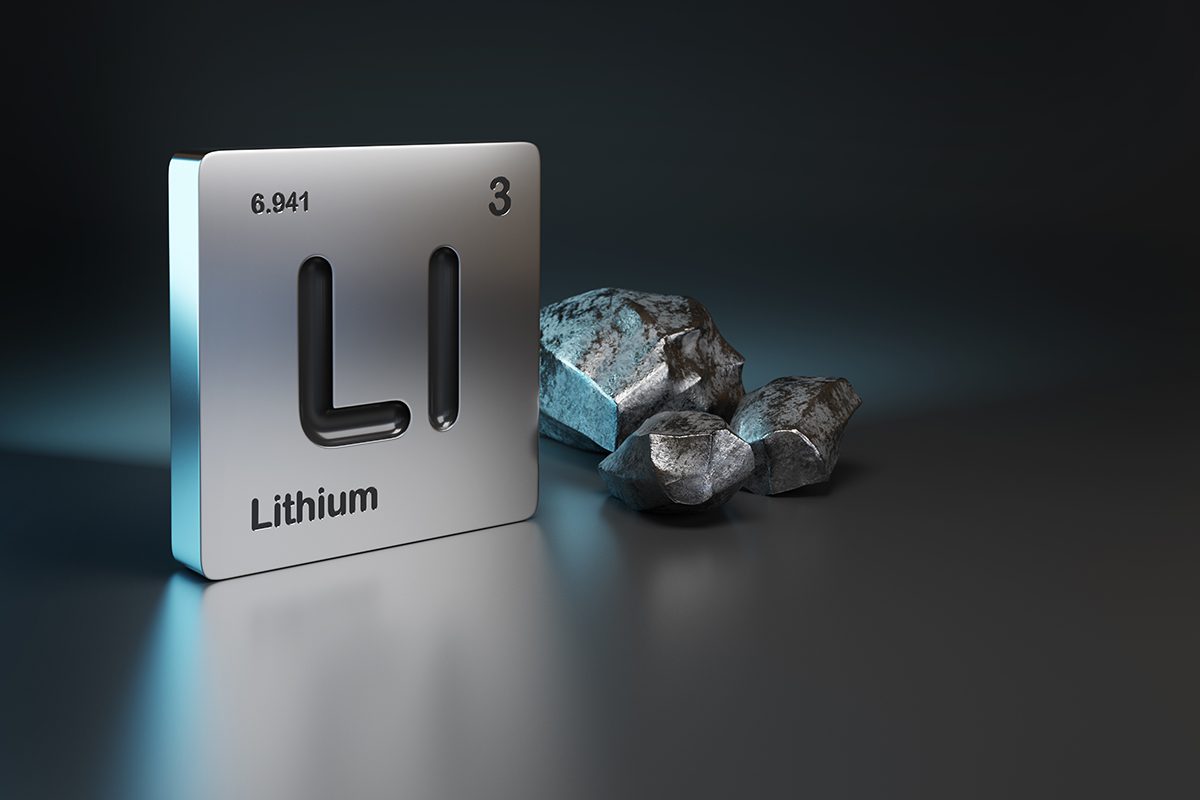
- A recent report highlights significant lithium resources in the Appalachian region, indicating a potential to support battery production for 130 million electric vehicles.
- This discovery underscores the growing importance of domestic lithium sources as the demand for electric vehicles continues to surge.
- The implications of this finding could reshape the U.S. energy landscape, enhancing energy independence and reducing reliance on foreign lithium supplies.
The discovery of substantial lithium resources in the Appalachian region is a pivotal moment for the electric vehicle (EV) industry, particularly as the demand for EVs accelerates globally. With estimates suggesting that these resources could support the production of batteries for 130 million electric vehicles, the implications for both the automotive and energy sectors are profound. This development not only signals a potential shift towards greater energy independence for the United States but also highlights the strategic importance of domestic mineral resources in the context of a rapidly evolving energy landscape.
The report detailing these lithium resources comes at a time when the EV market is experiencing unprecedented growth, driven by increasing consumer demand and supportive government policies aimed at reducing carbon emissions. As automakers ramp up production of electric vehicles, the need for reliable and sustainable sources of lithium—a critical component in EV batteries—has never been more urgent. The Appalachian region's newfound lithium potential could play a crucial role in meeting this demand, thereby positioning the U.S. as a more competitive player in the global EV market.
This discovery also raises important questions about the future of lithium extraction and processing in the U.S. While the potential for domestic lithium production is significant, it will be essential to address environmental concerns and regulatory challenges associated with mining activities. The balance between resource extraction and environmental stewardship will be critical as stakeholders navigate the complexities of developing these resources responsibly. Moreover, the establishment of a domestic lithium supply chain could mitigate risks associated with reliance on foreign sources, particularly in light of geopolitical tensions and supply chain disruptions that have affected critical minerals in recent years.
In summary, the identification of lithium resources in the Appalachian region represents a significant opportunity for the U.S. to enhance its energy independence and support the burgeoning electric vehicle market. As the industry moves forward, the focus will need to be on sustainable practices and the development of a robust supply chain that can support the anticipated growth in EV production. This discovery not only underscores the importance of domestic resources but also sets the stage for a transformative shift in how the U.S. approaches its energy and transportation future.