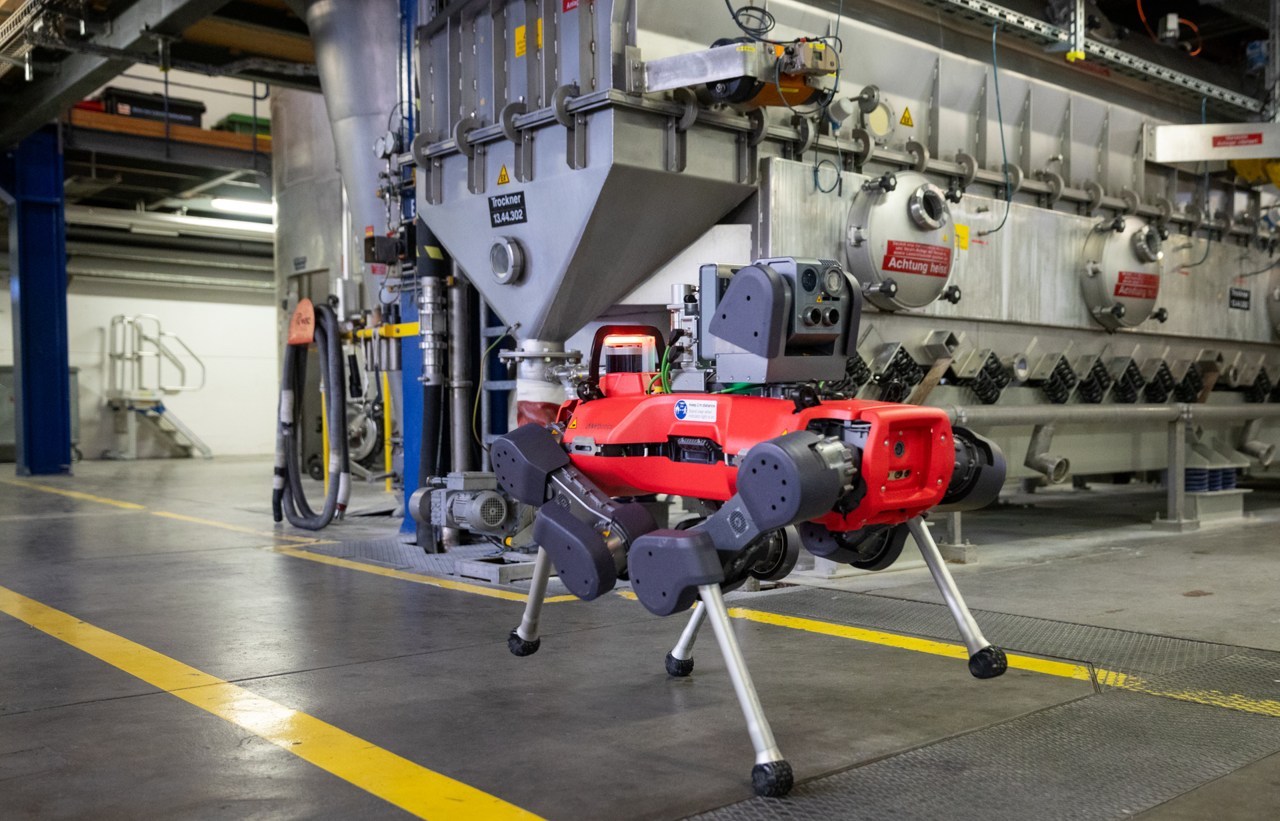
- Recent vulnerabilities in consumer robotics highlight the urgent need for robust data security in physical AI applications.
- The future of robotics will hinge on companies that can establish trusted, secure data loops to facilitate safe deployment in critical environments.
- Implementing comprehensive security measures, including full-stack responsibility and a culture of security, is essential for the industry to scale effectively.
The robotics industry stands at a pivotal moment, where the rapid advancement of physical AI technologies must be matched by an equally robust approach to data security. As robots transition from controlled laboratory environments to complex real-world applications, the recent discovery of critical security flaws in consumer robot vacuums serves as a stark reminder of the vulnerabilities that can arise. This incident underscores the potential risks associated with autonomous systems, particularly in sensitive industrial settings where a breach could threaten not only assets but also human safety.
While the excitement surrounding innovative robotic capabilities is palpable, the industry must prioritize the secure deployment of these technologies. The implications of a cybersecurity breach in environments such as chemical plants or power grids are far more severe than those in a domestic setting. To scale effectively, companies must focus on securing the vast amounts of data necessary for training and operating these systems. The next decade will favor those who can create a trusted data loop, ensuring that the integrity of information flows seamlessly from the field to centralized systems.
Achieving this level of security is not merely a technical challenge; it requires a fundamental shift in how robotics companies approach their systems. The concept of a "data flywheel" becomes crucial here, as robots can gather extensive, high-fidelity data that can enhance operational intelligence. However, without a secure framework to manage this data, industrial operators will be hesitant to grant access to their critical infrastructures. The need for a comprehensive security strategy that encompasses everything from hardware to software is paramount, as any oversight could lead to catastrophic failures.
To build a resilient security posture, companies must adopt principles such as full-stack responsibility, isolation by design, and fostering a culture of security. This means taking ownership of the entire technology stack, ensuring that vulnerabilities are addressed at every level. Additionally, implementing tiered architectures that allow for data anonymization and federated intelligence can help balance the need for operational learning with the imperative of protecting sensitive information. As the industry evolves, the integration of AI-driven security measures will be essential to keep pace with emerging threats, ensuring that autonomous systems can operate safely and effectively in increasingly complex environments.