- The increasing targeting of data centers by adversaries has prompted lawmakers to reconsider the federal government's approach to their security.
- Industry experts advocate for a standalone designation of data centers as a critical infrastructure sector to enhance protection and coordination.
- Current frameworks lack clarity on federal responsibilities for data center security, highlighting a need for unified action and oversight.
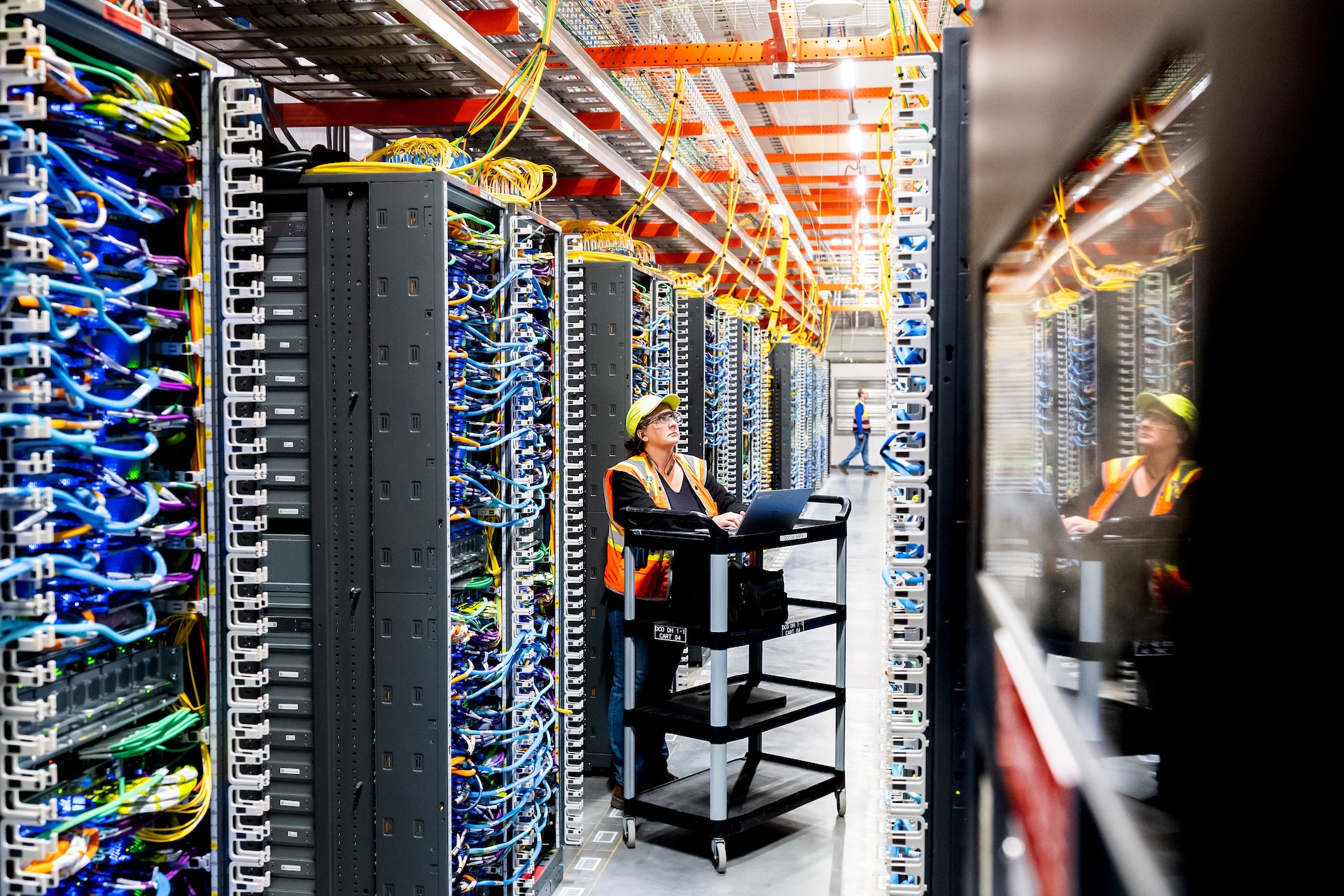
The urgency surrounding the security of data centers has escalated as their growth continues to coincide with rising threats from adversaries. Recent attacks, such as Iranian drones targeting Amazon data centers, underscore the vulnerabilities these facilities face and the potential repercussions of a successful strike. Lawmakers are now grappling with whether the federal government is adequately equipped to defend this crucial infrastructure, which serves as the backbone for numerous sectors and the economy at large. The House Homeland Security Subcommittee on Cybersecurity and Infrastructure Protection convened to explore these pressing issues, revealing a consensus that a more robust framework is necessary to safeguard data centers.
During the hearing, industry witnesses emphasized the need for data centers to receive their own designation as a critical infrastructure sector, akin to the approach taken by the United Kingdom. This designation would not only elevate the importance of data centers in national security discussions but also clarify which federal agency would be responsible for assessing risks and coordinating responses. Rep. Andy Ogles highlighted the lack of a unified approach, pointing out that the current framework does not adequately address the complexities involved in protecting these facilities. The implications of a major data center being compromised could extend far beyond individual companies, affecting entire sectors and the economy.
With three major providers—Amazon Web Services, Microsoft Azure, and Google Cloud Platform—dominating 63 percent of the market share, the concentration of data center operations raises additional concerns about security and resilience. Experts like Robert Mayer from USTelecom suggested that a unique coordinating council could facilitate collaboration among data center operators, enhancing their collective security posture. Furthermore, Mark Montgomery from the Foundation for Defense of Democracies proposed a combined sector for data centers and cloud providers, reflecting the interconnected nature of these services and the need for cohesive protection strategies.
Samuel Visner, chair of the Space Information Sharing and Analysis Center, echoed the sentiment that recognizing data centers as part of critical infrastructure is essential. He articulated the necessity of protecting these facilities, given their integral role in the U.S. economy and military operations. While not all witnesses agreed on the need for a separate designation, Scott Algeier from the Information Technology Information Sharing and Analysis Center noted that data centers are already part of critical infrastructure discussions, indicating a growing recognition of their importance. As the dialogue continues, the push for enhanced security measures and clearer federal responsibilities will likely shape the future of data center protection in the face of evolving threats.