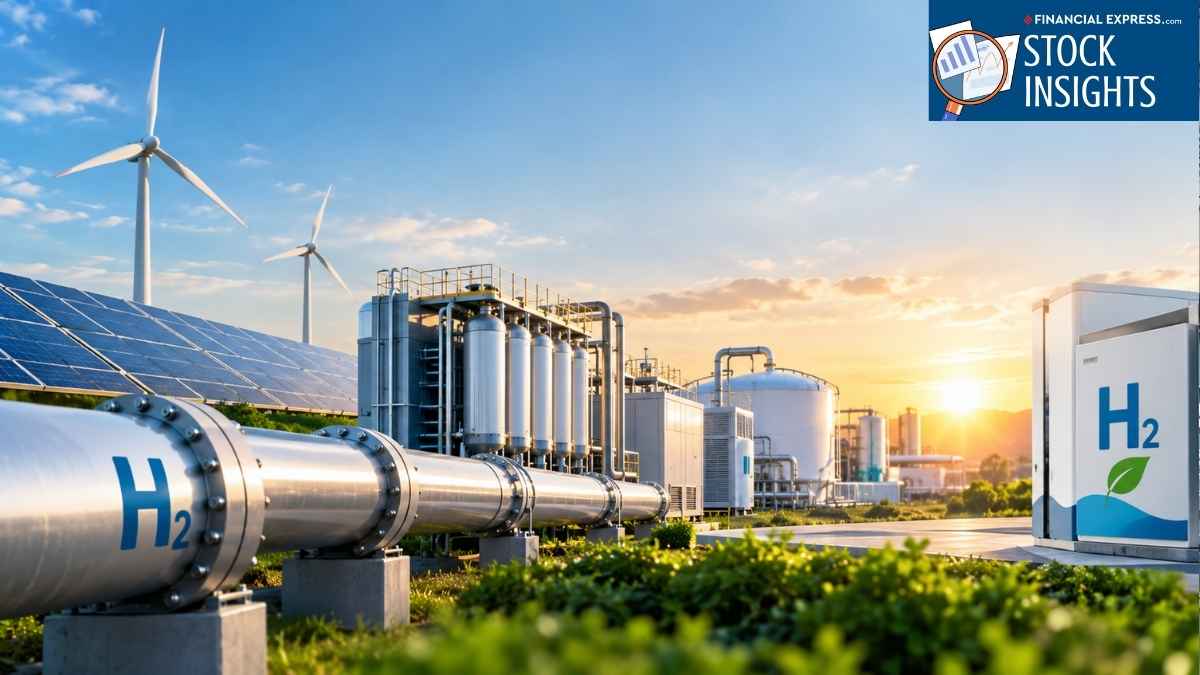
- Clean energy generation has reached a pivotal moment, dominating the energy landscape in 2025.
- Innovations in renewable technologies are driving significant reductions in carbon emissions.
- The transition to clean energy is not only environmentally beneficial but also economically advantageous, creating new job opportunities.
The urgency of transitioning to clean energy has never been more pronounced, as 2025 marks a watershed moment in the global energy landscape. The dominance of clean energy generation signifies a crucial shift away from fossil fuels, driven by both technological advancements and a growing recognition of the climate crisis. This transition is not merely a trend; it represents a fundamental restructuring of how energy is produced and consumed, with profound implications for environmental sustainability and economic resilience. In recent developments, clean energy sources have outpaced traditional fossil fuels, showcasing the effectiveness of policies aimed at promoting renewable technologies. The surge in solar and wind energy generation has been particularly noteworthy, with significant investments leading to enhanced efficiency and lower costs. This transformation is a direct response to the urgent need for decarbonization, as countries strive to meet their climate commitments and mitigate the impacts of climate change. The implications are clear: as clean energy becomes more accessible and affordable, it is poised to reshape the global energy market. Moreover, the economic benefits of this transition are becoming increasingly evident. The clean energy sector is not only reducing carbon emissions but also creating a wealth of job opportunities across various industries. From manufacturing solar panels to installing wind turbines, the demand for skilled labor in the renewable energy sector is on the rise. This shift not only supports local economies but also fosters innovation and technological advancement, positioning countries that invest in clean energy as leaders in the global market. As we look ahead, the momentum behind clean energy generation is likely to accelerate. The combination of policy support, technological innovation, and public demand for sustainable practices is creating an environment ripe for further advancements. The transition to clean energy is not just a necessary response to climate change; it is an opportunity to build a more sustainable and economically viable future. The developments of 2025 will serve as a benchmark for future progress, illustrating the potential of clean energy to drive both environmental and economic transformation.