
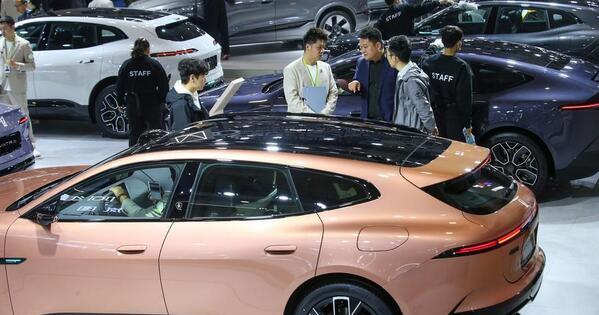
- Chinese EV manufacturers are intensifying their focus on integrating chips and AI technology to enhance vehicle performance and competitiveness.
- This strategic pivot reflects a broader trend of global cooperation in the automotive sector, particularly in technology sharing and innovation.
- The move underscores the urgency for Chinese companies to innovate rapidly in response to intensifying competition both domestically and internationally.
The current landscape of the electric vehicle (EV) market is marked by a significant shift as Chinese automakers accelerate their integration of batteries, chips, and artificial intelligence. This urgency is driven by the need to remain competitive in a rapidly evolving industry where technological advancements are paramount. As competition intensifies, particularly from international players, the ability to innovate and leverage cutting-edge technologies becomes crucial for survival and growth. The push towards a more integrated approach not only enhances vehicle performance but also positions Chinese manufacturers as formidable contenders on the global stage.
Recent developments indicate that Chinese EV makers are not merely reacting to market pressures; they are proactively seeking to redefine their technological capabilities. By focusing on the integration of chips and AI, these companies are aiming to create smarter, more efficient vehicles that can meet the demands of increasingly tech-savvy consumers. This strategic direction is indicative of a broader trend within the automotive industry, where the convergence of hardware and software is becoming essential for delivering enhanced user experiences and operational efficiencies.
The emphasis on global cooperation further amplifies the significance of this shift. As Chinese manufacturers engage in technology sharing and partnerships with international firms, they are not only enhancing their own capabilities but also contributing to a more interconnected automotive ecosystem. This collaboration can lead to accelerated innovation cycles, allowing for faster development of advanced features such as autonomous driving and enhanced connectivity. The implications of this cooperative approach are profound, as it may lead to a more unified global market where technological advancements are shared across borders, benefiting all players involved.
Ultimately, the drive towards integrating chips and AI within the EV sector is a clear signal that Chinese automakers are committed to leading the charge in automotive innovation. As they navigate the complexities of a competitive landscape, their ability to harness these technologies will likely determine their success in both domestic and international markets. The stakes are high, and the outcomes of these strategic initiatives will shape the future of mobility, not just in China, but across the globe.







