
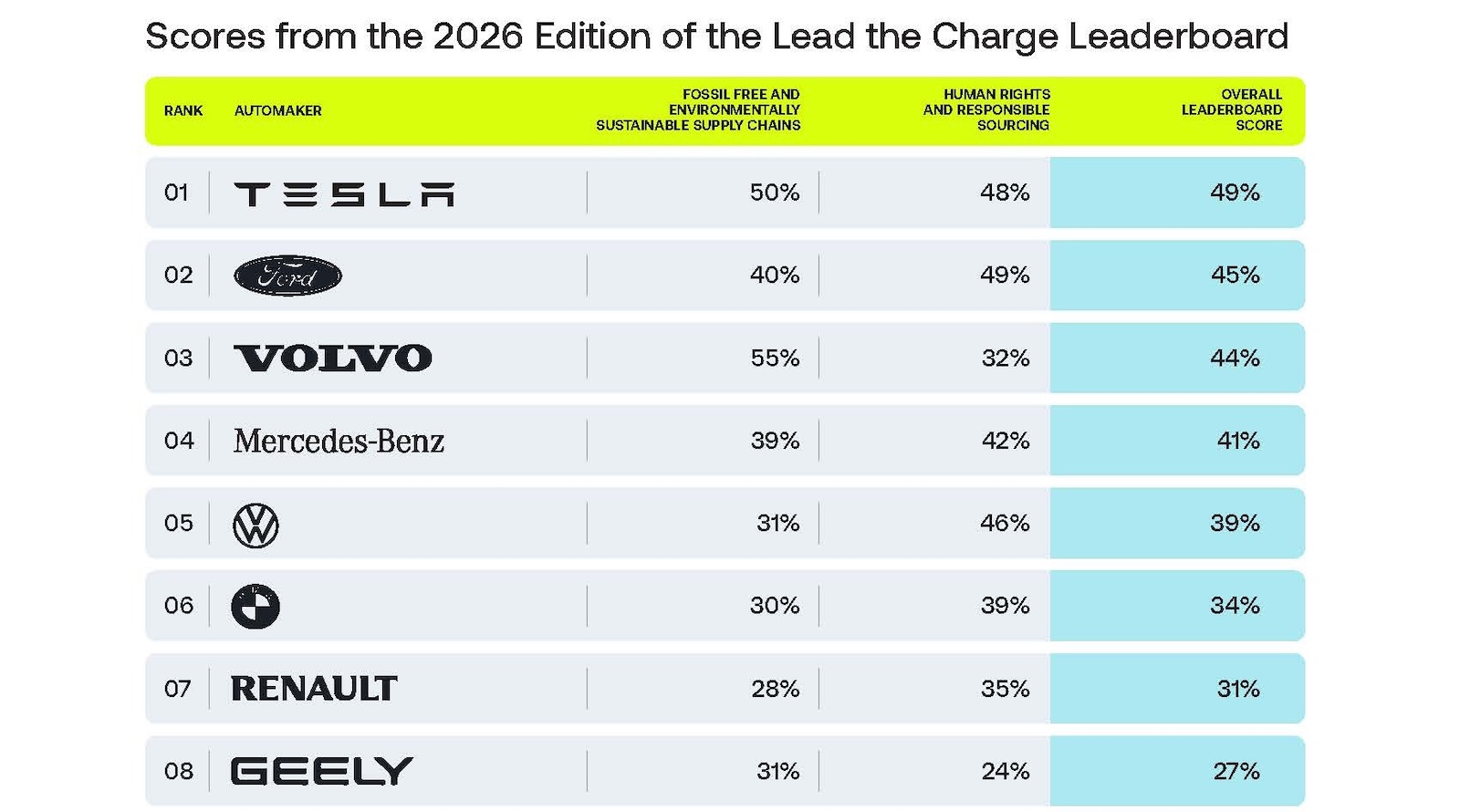
- New EU regulations are driving significant improvements in the sustainability of electric vehicle (EV) supply chains, making them cleaner and more environmentally friendly.
- Leading automakers are increasingly adopting low-carbon materials and practices, indicating a shift towards a more responsible manufacturing process.
- This evolution in the automotive industry underscores the importance of regulatory frameworks in shaping corporate behavior and advancing clean technology.
The urgency of transitioning to cleaner supply chains in the automotive sector has never been more pronounced, especially as the EU implements stringent regulations aimed at reducing carbon footprints. The latest league table of carmakers reveals a marked improvement in the sustainability of EV supply chains, highlighting how regulatory pressure can catalyze significant changes in industry practices. As electric vehicles already boast zero tailpipe emissions, the focus is now shifting to the entire lifecycle of vehicle production, including the sourcing of materials and the manufacturing processes involved. This shift is crucial for achieving broader climate goals and ensuring that the transition to electric mobility is genuinely sustainable.
Recent findings indicate that leading automakers are increasingly utilizing low-carbon steel, aluminum, and battery technologies in their production processes. This move is not merely a response to consumer demand for greener products; it is a strategic alignment with EU regulations that incentivize cleaner manufacturing practices. The adoption of these materials not only reduces the carbon intensity of vehicle production but also minimizes the overall environmental impact, thereby addressing concerns related to resource extraction and community welfare. The implications of this trend are profound, as it signals a potential shift in the competitive landscape of the automotive industry, where sustainability becomes a key differentiator.
Moreover, the advancements in EV supply chains reflect a broader commitment to corporate social responsibility among automakers. By prioritizing low-carbon materials and ethical sourcing, these companies are not only complying with regulations but also enhancing their brand reputation and consumer trust. This alignment with sustainability goals is likely to resonate with environmentally conscious consumers, further driving demand for cleaner vehicles. As the automotive industry continues to evolve, the integration of sustainable practices will likely become a prerequisite for success, influencing everything from product development to marketing strategies.
The role of regulatory frameworks in shaping corporate behavior cannot be overstated. The EU's proactive stance on environmental regulations serves as a model for other regions looking to foster sustainable practices within their industries. By establishing clear guidelines and expectations, regulators can encourage innovation and investment in clean technologies, ultimately leading to a more sustainable future. The ongoing transformation of EV supply chains illustrates the potential for policy to drive meaningful change, reinforcing the idea that collaboration between government and industry is essential for achieving ambitious climate targets.







