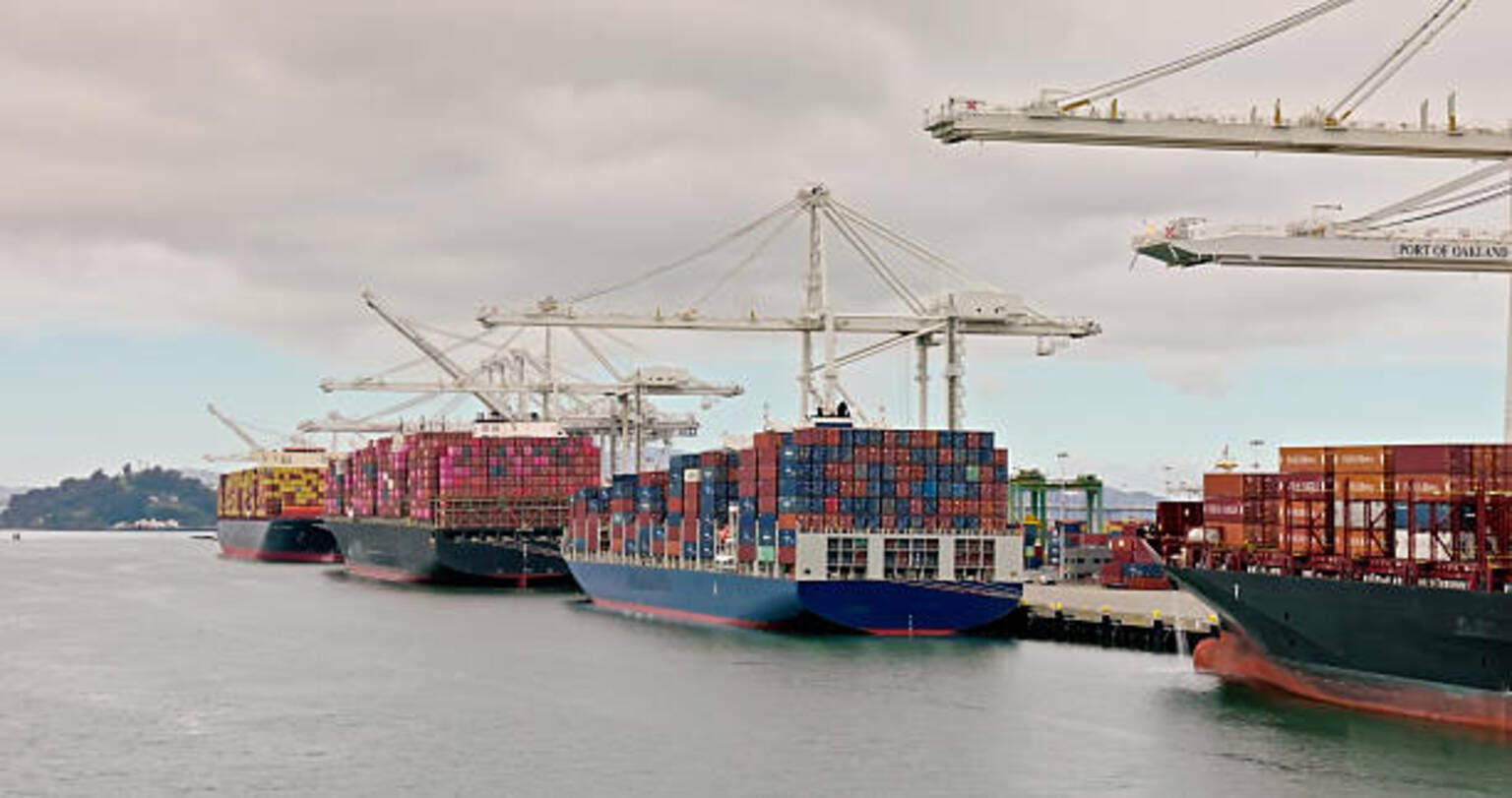
- Capital Clean Energy Carriers has shifted its business model to focus on liquefied natural gas (LNG) shipping, backed by substantial contracted revenues.
- The company’s strategic pivot positions it to benefit from stable cash flows, which could attract investor interest and lead to a rerating of its stock.
- With approximately $2.9 billion in contracted LNG revenues, the firm is well-positioned to leverage the growing demand for cleaner energy solutions.
The urgency of Capital Clean Energy Carriers' transition to a gas-focused shipping platform cannot be overstated, especially in the current energy landscape where the demand for cleaner energy solutions is surging. This strategic pivot is not merely a response to market trends; it represents a calculated move to secure a stable revenue stream through liquefied natural gas (LNG) shipping. The company’s robust portfolio, featuring around $2.9 billion in contracted LNG revenues, positions it favorably to capitalize on the increasing global shift towards cleaner energy sources, which is critical as nations strive to meet their climate commitments.
The transition to LNG shipping signifies a broader recognition of the role that natural gas plays in the energy transition. As countries seek to reduce their carbon footprints while ensuring energy security, LNG emerges as a vital bridge fuel. Capital Clean Energy's focus on this sector not only aligns with global energy trends but also enhances its financial stability through predictable cash flows. This strategic alignment is likely to resonate with investors seeking reliable returns in an increasingly volatile market.
Moreover, the substantial contracted revenues serve as a strong foundation for the company, providing a buffer against market fluctuations. This financial stability is crucial for attracting investment and could lead to a rerating of the company’s stock. Investors are likely to view the predictable cash flows from these contracts as a compelling reason to reassess the valuation of Capital Clean Energy Carriers, especially as the energy sector continues to evolve towards more sustainable practices.
In summary, Capital Clean Energy Carriers is not just adapting to market demands; it is strategically positioning itself to thrive in a future where LNG plays a pivotal role in the global energy mix. The company’s focus on stable cash flows and its substantial contracted revenues are likely to enhance its attractiveness to investors, potentially leading to a significant rerating of its stock. As the energy landscape continues to shift, the implications of this transition could be profound, not only for the company but also for the broader market dynamics surrounding clean energy solutions.