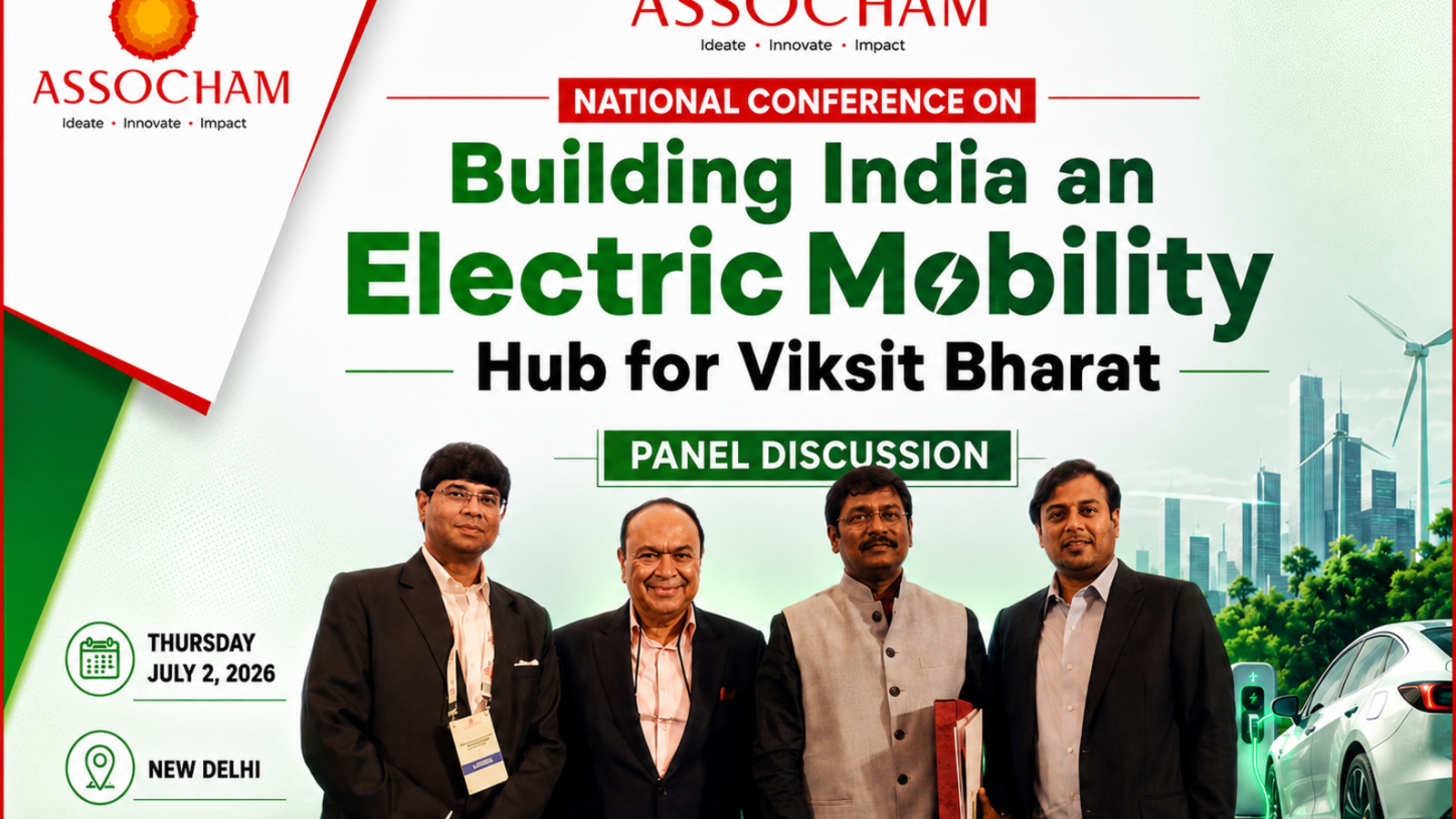
- India's ambition to become a global electric vehicle (EV) hub hinges on strategic investments and policy frameworks that can attract both domestic and international players.
- Industry leaders emphasize the need for robust infrastructure, including charging stations and battery manufacturing, to support the burgeoning EV market.
- The success of India's EV initiative will significantly impact its economic growth and sustainability goals, positioning it as a leader in the global transition to clean transportation.
The urgency for India to establish itself as a global electric vehicle hub is underscored by the accelerating global shift towards sustainable transportation. As countries worldwide commit to reducing carbon emissions, India stands at a pivotal crossroads where strategic decisions can either propel it to the forefront of the EV market or leave it trailing behind. The discussions among industry leaders reveal a consensus on the necessity of a comprehensive roadmap that integrates investment, innovation, and infrastructure development to realize this vision.
Recent dialogues among key stakeholders highlight the critical role of government policy in shaping the EV landscape. Incentives for manufacturers, subsidies for consumers, and stringent emissions regulations are essential components that can drive adoption and production. Industry leaders point out that without a cohesive policy framework, the potential for India to attract significant foreign investment in EV technology and manufacturing could diminish. This investment is crucial not only for building a competitive domestic market but also for positioning India as a manufacturing powerhouse in the global supply chain.
Infrastructure development emerges as another cornerstone of India's EV ambitions. The establishment of a widespread network of charging stations is imperative to alleviate range anxiety among consumers and encourage the transition to electric vehicles. Additionally, the focus on local battery manufacturing is vital; securing a reliable supply chain for batteries will not only reduce costs but also enhance energy security. Leaders in the industry stress that collaboration between the government and private sector is essential to build this infrastructure swiftly and efficiently.
The implications of successfully transforming India into a global EV hub extend beyond economic growth; they encompass broader environmental and social dimensions. A thriving EV market could significantly reduce urban pollution levels, contributing to public health and climate goals. Furthermore, the creation of jobs in manufacturing, infrastructure, and maintenance sectors will provide a much-needed boost to the economy. As India navigates this transition, the collective efforts of industry leaders, policymakers, and consumers will determine the trajectory of its EV future, making it a critical area to watch in the coming years.