
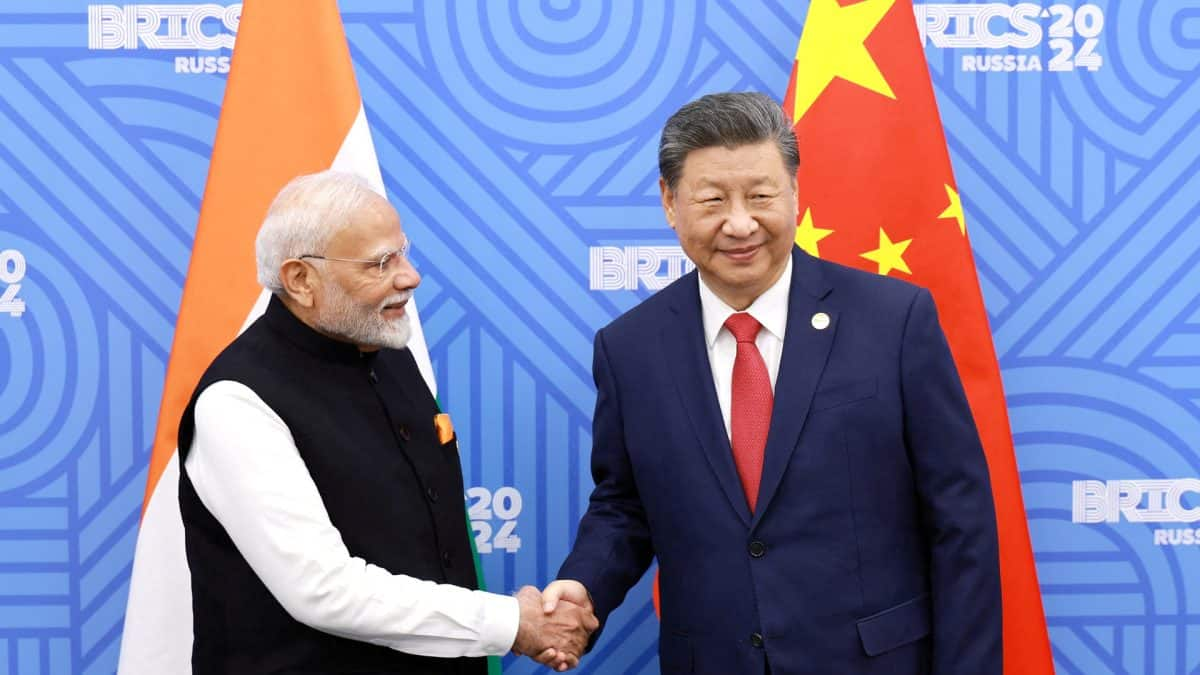
- India's substantial investment in semiconductor projects and electric vehicle (EV) localization positions it as a potential alternative to China in advanced manufacturing.
- The BRICS alliance could facilitate India's ambitions by enhancing trade and technology partnerships among member nations.
- India's strategic focus on self-reliance in manufacturing is critical for reducing dependency on China and boosting its global competitiveness.
The urgency of India's manufacturing ambitions cannot be overstated, particularly in the context of its growing rivalry with China. As global supply chains face disruptions and geopolitical tensions rise, India's efforts to establish itself as a viable alternative in advanced manufacturing, especially in semiconductors and electric vehicles, are gaining momentum. With an impressive Rs 1.64 lakh crore allocated to approved semiconductor projects, India is not only investing in critical technology but also signaling its intent to become a key player in the global manufacturing landscape. This strategic pivot is essential for India to enhance its economic resilience and reduce its reliance on Chinese imports.
The recent developments in India's semiconductor sector are indicative of a broader trend towards localization in the EV market. As the country ramps up its production capabilities, the emphasis on local sourcing and manufacturing is expected to create a robust ecosystem that can rival China's established dominance. The BRICS alliance, comprising Brazil, Russia, India, China, and South Africa, presents a unique opportunity for India to leverage collaborative efforts in technology transfer and trade. By fostering partnerships within this bloc, India can enhance its manufacturing capabilities while also diversifying its supply chains away from China.
Moreover, India's focus on self-reliance aligns with its broader economic strategy, which aims to bolster domestic industries and create jobs. The government's push for initiatives like "Make in India" and the Production-Linked Incentive (PLI) scheme is designed to attract foreign investment and stimulate local manufacturing. This approach not only aims to enhance India's competitiveness in the global market but also addresses the pressing need for sustainable economic growth. As India positions itself as a manufacturing hub, the implications for global supply chains could be significant, potentially reshaping trade dynamics in the coming years.
In conclusion, India's ambition to emerge as a China alternative in advanced manufacturing and EVs is not merely aspirational; it is a calculated response to current global challenges. The convergence of substantial investments in semiconductor projects, a commitment to localization, and the potential benefits of BRICS collaboration underscores India's strategic direction. As these initiatives unfold, the global manufacturing landscape may witness a shift, with India poised to play a pivotal role in shaping the future of advanced manufacturing and electric mobility.







