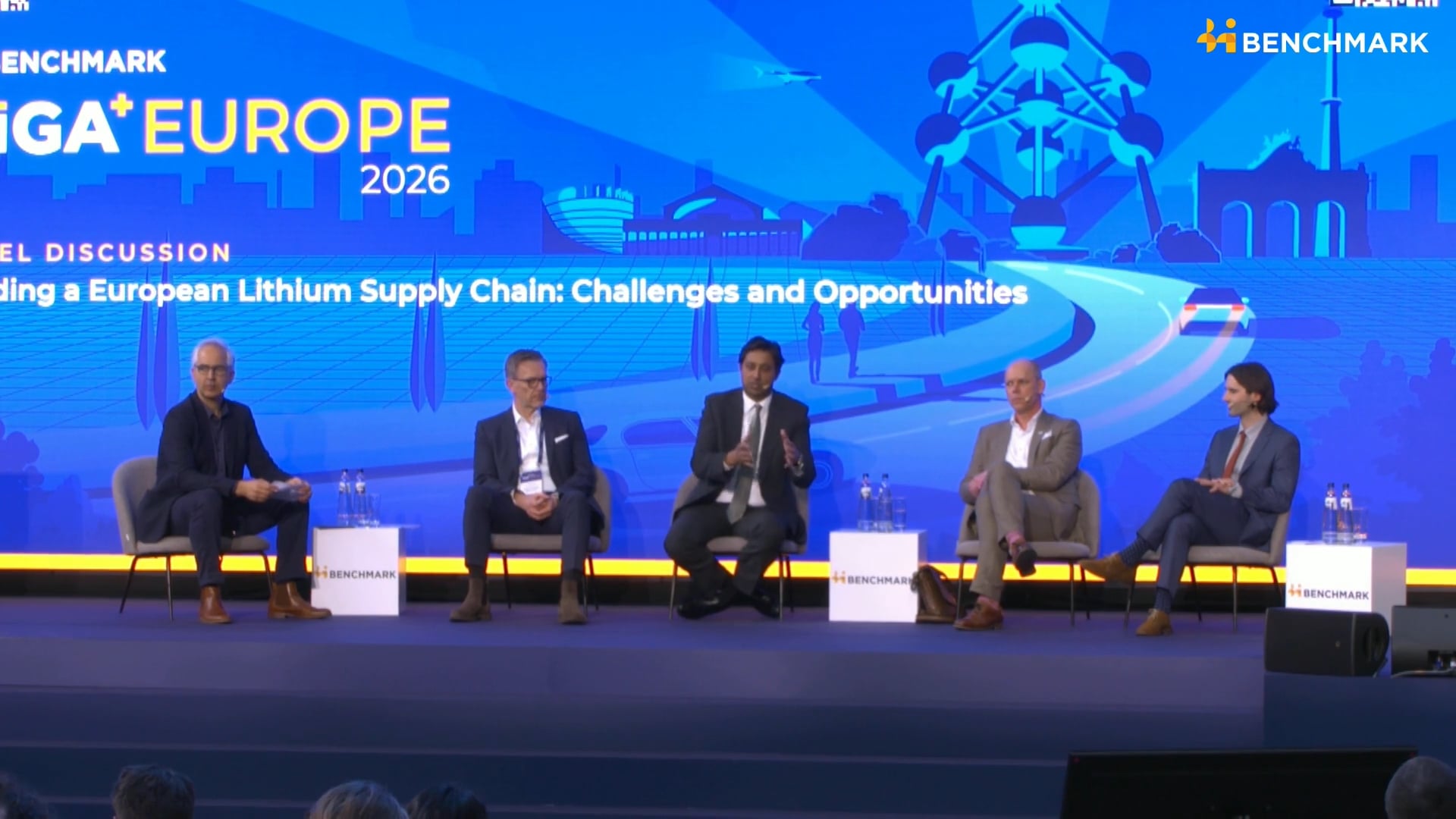
- The urgency to establish a robust lithium supply chain in Europe is underscored by the region's increasing demand for electric vehicle batteries and renewable energy storage solutions.
- Panelists highlighted the critical challenges of securing raw materials, regulatory hurdles, and the need for investment in local processing facilities.
- Opportunities for collaboration among stakeholders, including governments, mining companies, and technology firms, were emphasized as essential for overcoming barriers and achieving supply chain resilience.
The pressing need for a sustainable lithium supply chain in Europe has reached a critical juncture, driven by the continent's ambitious climate goals and the surging demand for electric vehicles (EVs). As the transition to green energy accelerates, the reliance on lithium for battery production becomes increasingly evident; this has sparked discussions among industry leaders about how to effectively build a local supply chain that can meet future demands. The panel discussion illuminated the multifaceted challenges that lie ahead, including the need for regulatory clarity, investment in infrastructure, and the establishment of a cohesive strategy among various stakeholders.
During the discussion, panelists articulated the significant hurdles that must be navigated to secure a steady supply of lithium. These challenges include not only the extraction of lithium from existing sources but also the complexities associated with processing and refining the material within Europe. The current reliance on imports from countries like Australia and South America poses risks to supply chain stability, particularly in light of geopolitical tensions and trade uncertainties. As such, there is a clear imperative for Europe to develop its own resources and capabilities to mitigate these risks.
The conversation also underscored the importance of regulatory frameworks that can facilitate the development of lithium projects while ensuring environmental sustainability. Panelists pointed out that navigating the permitting process can be a lengthy and cumbersome endeavor, often deterring investment. Streamlining these processes and fostering a collaborative environment between governments and industry will be crucial in attracting the necessary capital to build out the supply chain. This regulatory support is essential not only for mining operations but also for the establishment of processing facilities that can add value locally.
Despite the challenges, the panelists were optimistic about the opportunities that lie ahead. They emphasized the potential for collaboration among various stakeholders, including mining companies, technology firms, and government entities. By working together, these groups can leverage their respective strengths to create a more resilient supply chain. The discussion highlighted examples of successful partnerships and innovative approaches that could serve as models for future initiatives. Ultimately, the establishment of a European lithium supply chain is not just a logistical challenge; it represents a strategic opportunity to position Europe as a leader in the global transition to sustainable energy.