- Brain Corp and UC San Diego are collaborating to enhance the contextual intelligence of autonomous robots, aiming to improve their operational reliability in complex environments.
- This partnership focuses on developing a "contextual grounding layer" that will enable robots to better understand and interact with their surroundings.
- The initiative builds on Brain Corp's extensive experience with autonomous mobile robots, leveraging real-world operational data to inform advancements in robotic perception and semantic mapping.
The urgency of advancing autonomous robotics technology is underscored by the increasing complexity of environments in which these systems must operate. As industries seek to deploy autonomous solutions at scale, the need for reliable and adaptable systems becomes paramount. The collaboration between Brain Corp and UC San Diego is a strategic response to this challenge, aiming to create a robust framework for contextual intelligence that will enhance the operational performance of robots in dynamic settings.
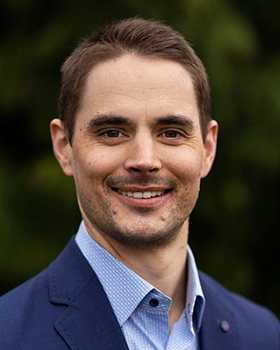
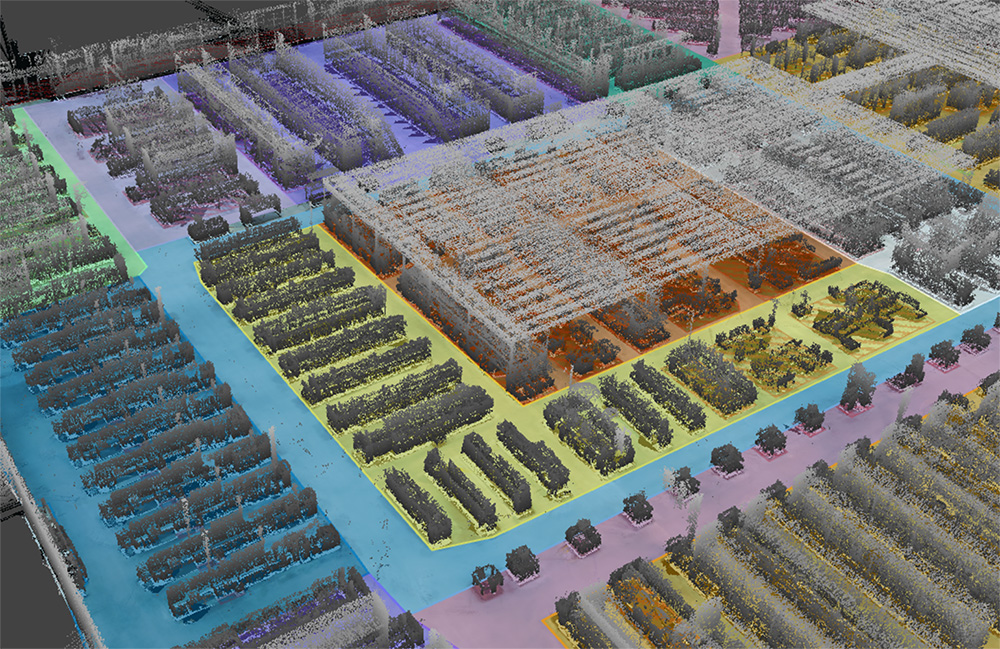
This partnership is set to advance semantic mapping and contextual intelligence technologies, which are critical for enabling robots to navigate and function effectively in commercial and industrial environments. Dr. Nikolay Atanasov from UC San Diego emphasizes that while current AI systems often rely on visual data, the integration of contextual 3D semantic maps is essential for achieving true autonomy. This collaboration is positioned to demonstrate how a richer spatial understanding can lead to improved contextual awareness and resilience in robotic deployments.
Brain Corp's initiative is not merely about automating tasks; it seeks to develop an intelligent platform that can orchestrate fleets of autonomous systems and AI-powered agents across various operational scales. With over 50,000 autonomous mobile robots already deployed globally, Brain Corp is leveraging its extensive operational data to inform the development of this contextual grounding layer. This data will provide insights into how these systems behave in real-world conditions, ultimately enhancing their reliability and adaptability.
Dr. Atanasov's leadership in the Existential Robotics Laboratory at UC San Diego will bridge the gap between cutting-edge research and practical applications, aligning closely with Brain Corp's BrainOS autonomy platform. The integration of advanced semantic mapping and contextual grounding into this platform is expected to facilitate safer and more efficient deployment of autonomous mobile robots across commercial operations. As John Black, Brain Corp's CTO, notes, the focus has shifted from mere movement and perception to a deeper understanding of environments, marking a significant evolution in the robotics industry.