
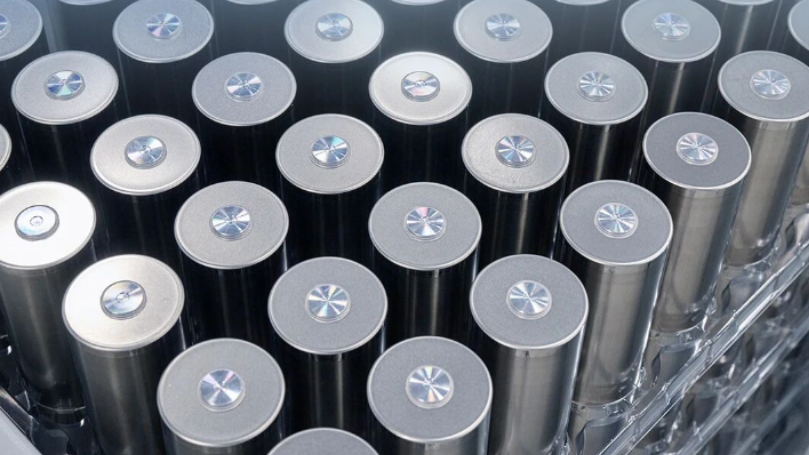
- BMW and CATL have formalized a partnership aimed at reducing carbon emissions throughout the electric vehicle battery supply chain.
- This collaboration underscores the automotive industry's increasing focus on sustainability and the need for cleaner production processes.
- The move is expected to enhance both companies' competitive positioning in the rapidly evolving EV market.
The recent memorandum of understanding (MoU) between BMW and CATL marks a significant step in the automotive sector's transition towards sustainable practices, particularly in the electric vehicle (EV) battery supply chain. As global pressure mounts for industries to reduce their carbon footprints, this partnership signals a proactive approach to addressing environmental concerns associated with battery production. The urgency of this collaboration cannot be overstated, as the demand for EVs continues to surge, necessitating a shift towards more sustainable manufacturing processes to meet both regulatory requirements and consumer expectations.
This agreement will focus on the entire lifecycle of battery production, from sourcing raw materials to manufacturing and recycling. By collaborating closely, BMW and CATL aim to implement innovative technologies and practices that will minimize carbon emissions at each stage. This initiative not only aligns with BMW's commitment to sustainability but also reinforces CATL's position as a leader in battery technology. The implications of this partnership extend beyond mere compliance; they represent a strategic alignment that could redefine industry standards for environmental responsibility.
The automotive landscape is rapidly evolving, with sustainability becoming a key differentiator among manufacturers. As BMW and CATL work together to enhance their supply chain practices, they are likely to set benchmarks that other companies may feel pressured to follow. This could catalyze a broader industry shift towards greener practices, as competitors may seek to match or exceed the sustainability efforts of these two prominent players. The partnership also highlights the importance of collaboration in tackling complex challenges such as carbon reduction, which cannot be addressed in isolation.
Ultimately, the BMW-CATL MoU reflects a growing recognition that sustainability is not just a regulatory requirement but a critical component of long-term business strategy. As both companies leverage their expertise to innovate and implement cleaner production methods, they are likely to gain a competitive edge in the burgeoning EV market. This partnership serves as a reminder that the future of transportation will increasingly hinge on the ability to balance performance with environmental stewardship, a challenge that will require ongoing commitment and collaboration across the industry.







