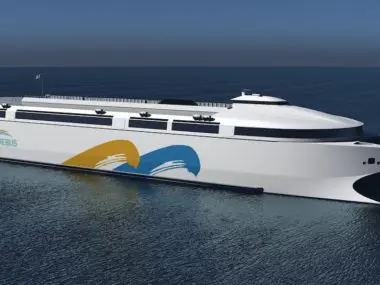
- Australia's electric ferry trials reveal a significant gap between technological advancement and governmental ambition.
- The reluctance to fully embrace electric ferry technology indicates a broader issue of foresight in the country's transportation strategy.
- As global trends shift towards sustainable transport solutions, Australia's hesitance may hinder its competitive edge in clean technology adoption.
The urgency surrounding Australia's electric ferry trials underscores a critical disconnect between the rapid evolution of electric maritime technology and the slow pace of governmental action. While electric ferries have transitioned from being a mere novelty to a practical solution for sustainable transport within a decade, Australian authorities appear to be lagging, treating this innovation as if it were still in its infancy. This lack of proactive engagement not only stifles potential advancements in the sector but also reflects a broader trend of insufficient foresight in the nation's transportation policies.
The current trials of electric ferries in Australia highlight a troubling pattern: despite the clear benefits and advancements in electric propulsion systems, there remains a hesitance to fully commit to their integration into the national fleet. This reluctance can be attributed to a combination of factors, including a lack of strategic vision and an underestimation of the technology's maturity. As other countries embrace electric ferries, Australia risks falling behind, missing out on both environmental benefits and economic opportunities associated with clean technology leadership.
Moreover, the implications of this cautious approach extend beyond the immediate transportation sector. By failing to capitalize on the advancements in electric ferry technology, Australia may inadvertently signal to investors and innovators that the country is not a favorable environment for clean technology development. This could deter investment in other sustainable initiatives, further entrenching the nation’s reliance on traditional fossil fuel-based transport solutions. The missed opportunity to lead in electric maritime transport could have long-term repercussions for Australia's position in the global clean technology landscape.
In conclusion, the ongoing electric ferry trials serve as a stark reminder of the need for a more ambitious and forward-thinking approach to transportation policy in Australia. As the world moves towards more sustainable solutions, the reluctance to embrace electric ferries not only undermines environmental goals but also risks economic stagnation in a rapidly evolving industry. It is imperative for Australian governments to recognize the potential of electric ferries and act decisively to integrate this technology into their transportation frameworks, ensuring that the country does not miss the boat on a cleaner, more sustainable future.