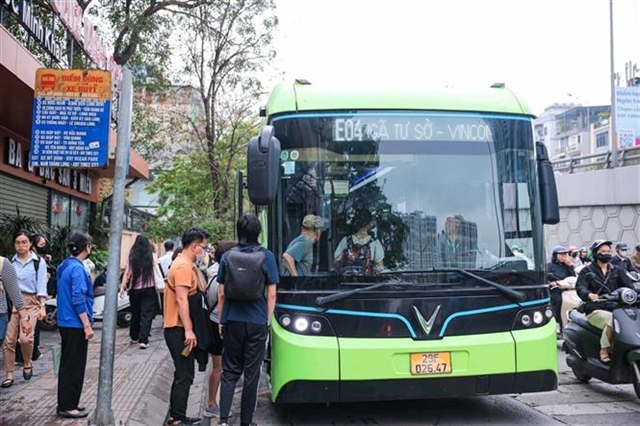
- ASEAN countries are transitioning from merely increasing electric vehicle sales to developing local manufacturing and supply chains, highlighting a strategic shift in the region's EV landscape.
- Việt Nam is positioned to capitalize on this shift, potentially becoming a leader in the ASEAN EV market by enhancing its production capabilities.
- This evolution in the EV sector underscores the importance of regional collaboration and investment in infrastructure to support sustainable transportation initiatives.
The urgency of the electric vehicle (EV) transition in Southeast Asia cannot be overstated, as countries in the region pivot from focusing solely on sales to fostering robust local manufacturing and supply chains. This shift is critical not only for meeting rising consumer demand but also for ensuring that the region can compete on a global scale. Việt Nam stands out as a key player in this evolving landscape, poised to leverage its growing production base to maintain momentum in the fast-paced EV market.
Recent developments indicate that ASEAN nations are recognizing the necessity of building a comprehensive ecosystem around electric vehicles. This involves not just the assembly of vehicles but also the establishment of supply chains that can support the production of components and batteries locally. By doing so, countries can mitigate reliance on imports, reduce costs, and enhance the sustainability of their transportation systems. Việt Nam's proactive approach in this regard positions it favorably among its regional counterparts.
Việt Nam's commitment to expanding its EV production capabilities is evident in its strategic initiatives aimed at attracting investment and fostering innovation within the sector. The government’s policies are increasingly aligned with the goal of creating a supportive environment for both domestic and foreign players in the EV market. This includes incentives for manufacturers, investments in infrastructure, and partnerships that can enhance technological capabilities. As a result, Việt Nam is not only keeping pace with its ASEAN neighbors but is also setting the stage for significant growth in the coming years.
The implications of this shift are profound, as it signals a collective recognition among ASEAN countries of the importance of localizing EV production. By investing in manufacturing and supply chains, these nations can better position themselves to respond to global market trends and consumer preferences. This strategic pivot not only fosters economic resilience but also contributes to the broader goals of sustainability and environmental responsibility. As Việt Nam continues to enhance its role in the regional EV landscape, it will likely serve as a model for other countries looking to navigate the complexities of the electric vehicle transition.