
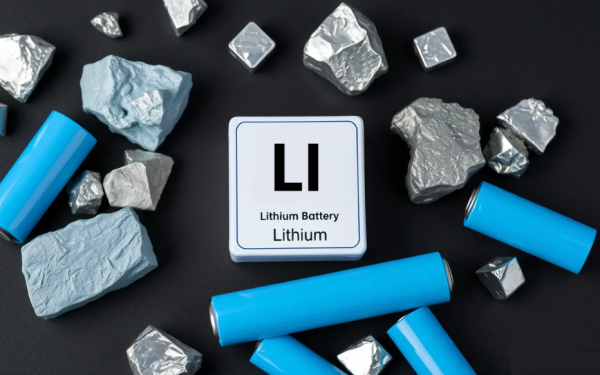
- Alberta's newly identified lithium resource of 82.5 million tonnes positions the province as a critical player in the North American electric vehicle supply chain.
- This significant lithium reserve could alleviate supply constraints and reduce dependency on foreign sources, particularly from China.
- The development of this resource aligns with broader trends in clean technology and energy transition, emphasizing the urgency for sustainable materials in EV production.
The revelation of Alberta's 82.5 million tonne lithium resource is a pivotal moment for the North American electric vehicle (EV) supply chain, especially as the demand for lithium continues to surge in the wake of the global transition to cleaner energy. As automakers ramp up production of EVs, securing a stable and local supply of lithium has become increasingly critical. Alberta's substantial lithium reserves not only promise to bolster local economies but also to enhance North America's strategic autonomy in the EV market, reducing reliance on imports from countries like China, which currently dominates the lithium supply chain.
The joint report detailing Alberta's lithium resource underscores the province's potential to emerge as a key player in the burgeoning clean technology sector. With the global push for electrification of transportation and renewable energy storage, the timing of this discovery could not be more fortuitous. The report highlights that Alberta's lithium is not only abundant but also accessible, which could facilitate quicker development timelines for extraction and processing operations. This accessibility is crucial as it allows for a more agile response to the rapidly evolving demands of the EV market.
Moreover, the implications of this discovery extend beyond mere supply; it signals a shift in the geopolitical landscape of lithium sourcing. As North America seeks to establish a more resilient supply chain, Alberta's lithium could play a vital role in mitigating risks associated with over-reliance on foreign sources. This shift aligns with broader governmental and corporate strategies aimed at enhancing domestic production capabilities, which are essential for achieving sustainability goals and ensuring energy security in the face of global supply chain disruptions.
In conclusion, Alberta's lithium resource is not just a local asset; it represents a strategic opportunity for North America to redefine its position in the global EV supply chain. As the industry moves forward, the focus will likely shift to how quickly and effectively Alberta can mobilize its resources to meet the escalating demand for lithium. The successful development of this resource could serve as a blueprint for other regions looking to capitalize on their own mineral wealth in the context of the clean energy transition.







