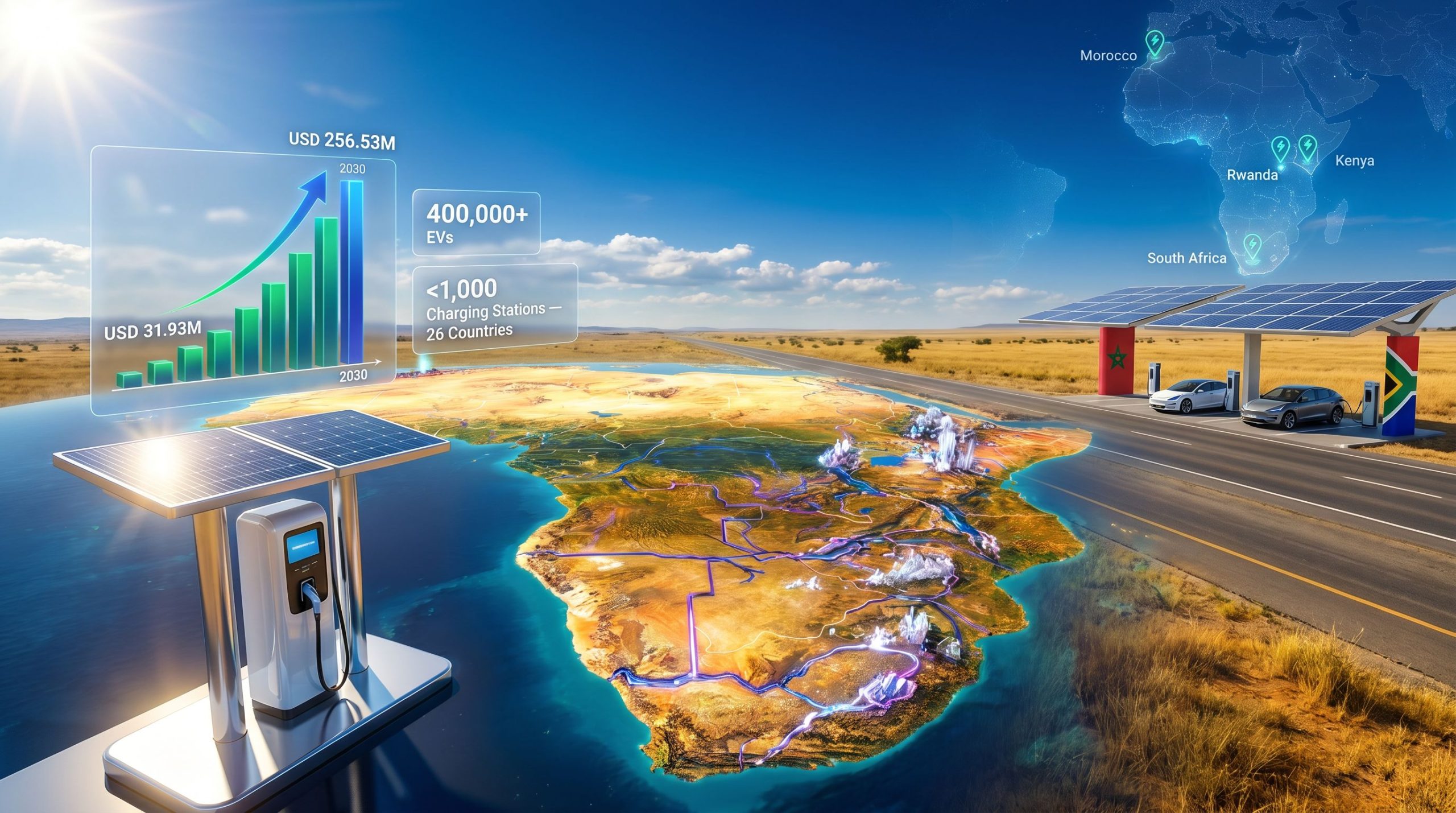
- Africa's electric vehicle (EV) charging infrastructure is significantly underdeveloped, presenting both challenges and opportunities for growth in the sector.
- Key market leaders are emerging, indicating a shift towards investment in EV infrastructure that could catalyze broader adoption of electric mobility across the continent.
- Addressing the charging gap is crucial for supporting Africa's transition to sustainable transportation and enhancing energy access.
The urgency of developing Africa's electric vehicle charging infrastructure cannot be overstated; as the continent grapples with the dual challenges of urbanization and climate change, the need for sustainable transportation solutions becomes increasingly critical. The current landscape reveals a stark disparity in charging facilities, which hampers the potential for widespread EV adoption. Without a robust network of charging stations, the transition to electric mobility is not only slow but also fraught with logistical challenges that could deter investment and consumer interest.
Recent analyses highlight that Africa's EV charging infrastructure is lagging behind other regions, with a significant gap in both the number and distribution of charging stations. This shortfall is particularly pronounced in rural areas, where access to reliable energy sources remains a challenge. However, the emergence of key market players is beginning to reshape this narrative; companies are stepping up to fill the void, signaling a growing recognition of the economic potential tied to electric mobility. These leaders are not only investing in charging infrastructure but are also advocating for policies that support the development of a comprehensive EV ecosystem.
The implications of this shift are profound. As investments flow into the sector, there is a potential for job creation, technological innovation, and enhanced energy access, particularly in underserved regions. The growth of the EV charging network could also stimulate local economies by attracting businesses and fostering a culture of sustainability. Moreover, as more charging stations become available, consumer confidence in electric vehicles is likely to increase, further driving demand and adoption rates.
Ultimately, addressing the charging infrastructure gap is not merely about facilitating the use of electric vehicles; it is about positioning Africa as a leader in the global transition to sustainable energy. The continent has the opportunity to leapfrog traditional fossil fuel dependency by embracing electric mobility, but this requires a concerted effort from both public and private sectors. By prioritizing the development of a comprehensive charging network, Africa can enhance its energy resilience, reduce emissions, and pave the way for a cleaner, more sustainable future.